
*COMPETITIVE AGENCY FEE*
And many many Profiles that are not shown here
CALL 93361824 for profiles viewing and interview
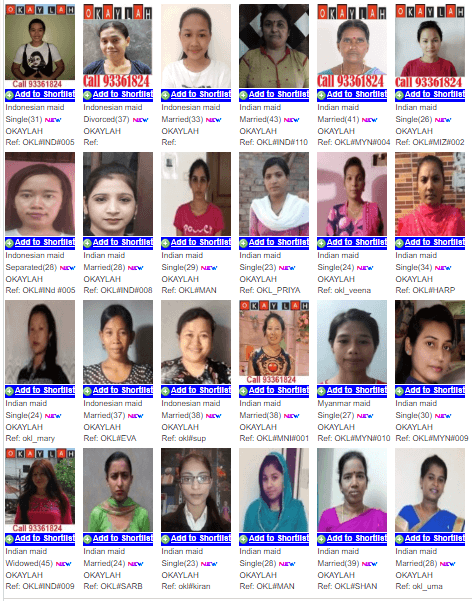
INDIA, FILIPINO, MYANMAR, INDONESIA, BANGLADESH, SRILANKA
PUNJAB, SIKKIM, MIZORAM, DARJEELING, TAMIL TELGU ,GUJRAT
*Submit Your Requirement*
The Art of Harmonious Placement: Okaylah Maid Agency's Meticulous Approach to Family Needs

In the bustling urban landscape of Singapore, where dual-income households are increasingly common, the role of a domestic helper has become indispensable for many families. However, the journey to finding the right helper - one who seamlessly integrates into a family's unique rhythm and meets their specific needs - can often be fraught with challenges. This is where Okaylah Maid Agency Singapore distinguishes itself, employing a meticulously structured approach that prioritizes a deep understanding of family dynamics, routines, pain points, and expectations before presenting any profiles. Their commitment to precision matching ensures not just a placement, but a foundation for a harmonious and successful working relationship.
Unpacking the Family's Core Care Requirements
Okaylah Maid Agency understands that every household is a unique ecosystem with distinct care requirements. Their process begins by delving into the fundamental question of who the helper will primarily be caring for. This initial clarification is paramount, as it dictates the essential skill set and temperament required for a successful match.
Childcare: For families with young children, the agency assesses the children's ages, developmental stages, and any specific needs they might have. With Okaylah Indian Maid Agency, this helps in identifying helpers with relevant experience in child supervision, educational support, and engaging activities.
Elderly Care: When the primary responsibility involves elderly family members, Okaylah probes into their mobility, medical conditions, dietary restrictions, and social engagement needs. This ensures the helper possesses the necessary patience, empathy, and practical skills for elder support.
Special Needs Care: For households with family members requiring special assistance, the agency meticulously gathers information on specific conditions, required therapies, and daily routines. This allows for the selection of helpers with specialized training or a proven track record in sensitive and dedicated care.
General Household Management: In cases where the helper's role is primarily focused on maintaining the entire household, the Maid Agency should clarify expectations regarding cooking, cleaning, laundry, and organizational tasks, ensuring the helper's capabilities align with the family's standards.
By gaining this comprehensive understanding, Okaylah moves beyond generic job descriptions, focusing instead on the nuanced demands of each family's caregiving landscape.
Navigating the Practicalities: Routines and Logistics
Beyond the core care responsibilities, the success of a helper-employer relationship hinges significantly on aligning practical arrangements and daily routines. Okaylah Maid Agency meticulously clarifies these logistical details early in the process, preventing potential misunderstandings and fostering a clear operational framework.
Sleeping Arrangements: The Indian maid agency discusses the helper's designated sleeping area, ensuring it provides adequate privacy and comfort. This includes clarifying whether it's a private room, shared space, or other arrangements, which is a crucial factor for a helper's well-being and job satisfaction.
Rest Day Arrangements: Understanding the family's flexibility and the helper's preferences regarding rest days is vital. Okaylah clarifies the frequency of rest days (e.g., weekly, bi-weekly), whether they are taken outside the home, and any specific arrangements for these days. This proactive discussion helps manage expectations on both sides regarding personal time and work-life balance.
Caregiving Intensity and Daily Routines: The agency delves into the daily schedule, assessing the intensity of caregiving tasks. This includes understanding peak hours, specific chores, meal preparation requirements, and any unique family routines. For instance, a family with multiple young children or an elderly person requiring constant supervision will have a higher caregiving intensity than a smaller household with independent adults. This clarity allows Okaylah to match helpers whose energy levels, experience, and work ethic are suited to the demands.
These detailed discussions enable Okaylah to present profiles of helpers who are not only skilled but also prepared for the specific living and working conditions of the prospective employer.
Bridging Gaps: Proactive Expectation Management
A significant contributor to helper-employer mismatches often stems from unaddressed expectations. Okaylah Indian Maid Agency takes a proactive stance in managing these expectations, acting as a crucial intermediary to ensure both parties enter the agreement with clarity and mutual understanding.
The agency facilitates open communication by:
Articulating Employer Expectations: An indian maid agency like Okaylah maid agency, clearly outlining the employer's specific requirements, house rules, communication style, and desired outcomes.
Representing Helper Expectations: Maid agency Singapore such as Okaylah maid agency Ensuring the helper's skills, experience, personal preferences, and career aspirations are accurately conveyed to the employer.
Identifying Potential Discrepancies: Proactively highlighting any areas where expectations might diverge and working with both parties to find common ground or suitable alternatives.
By meticulously addressing these points by our Indian Maid Agency, Okaylah Agency helps to build a foundation of trust and transparency, significantly reducing the likelihood of future conflicts arising from unmet expectations. Their role extends beyond mere placement; it encompasses fostering an environment where both employer and helper feel understood and valued.
The Outcome: Precision Matching and Successful Placements
The culmination of Okaylah Maid Agency's diligent information gathering and expectation management is the presentation of only truly relevant profiles. This targeted approach stands in stark contrast to agencies that might flood employers with numerous unsuitable candidates, leading to frustration and wasted time.
When an employer receives profiles from Okaylah helper agency, they can be confident that each candidate has been carefully vetted against their specific criteria, including:
Skill Alignment: The helper's practical skills and experience directly match the family's caregiving and household management needs.
Personality Fit: Consideration is given to personality traits and communication styles that would best integrate with the family's dynamics.
Logistical Compatibility: The helper is aware of and comfortable with the proposed sleeping arrangements, rest day schedule, and caregiving intensity.
Mutual Expectations: Both parties have a clear understanding of what to expect from the working relationship, minimizing surprises post-placement.
This precision matching strategy not only streamlines the selection process for employers but also significantly increases the probability of a successful, long-term placement. It reduces helper turnover, fosters stable household environments, and ultimately contributes to the well-being of both the helper and the employing family.
In conclusion, Okaylah Maid Agency Singapore's commitment to understanding the intricate details of family structure, daily routines, potential pain points, and explicit expectations is the cornerstone of their professional service. By meticulously clarifying these aspects before presenting relevant profiles, they transcend the transactional nature of maid placement, instead focusing on creating harmonious and enduring relationships. Their approach at Maid Aegncy underscores the profound impact a well-matched helper can have on a family's quality of life, making them a trusted partner in navigating the complexities of domestic assistance in Singapore.
Okaylah Indian Maid Agency: Elevating Domestic Assistance Through Specialized Sourcing
In the bustling urban landscape of Singapore, the demand for reliable and skilled domestic assistance is ever-present. For many families, finding the right helper is not merely about filling a vacancy but about integrating a vital support system into their daily lives. Okaylah Indian Maid Agency has emerged as a distinguished player in this sector, setting itself apart through a meticulously structured approach that prioritizes quality, specialization, and a deep understanding of household needs. Unlike agencies that focus solely on volume, Okaylah has built a formidable reputation for delivering "better candidates, not just more candidates," a philosophy underpinned by their innovative role-based sourcing pools and rigorous screening processes. This commitment to excellence positions Okaylah as a premier choice for families seeking an Indian maid agency that truly understands their unique requirements.
The Strategic Advantage of Role-Based Sourcing Pools
At the heart of Okaylah's success lies its pioneering strategy of creating specialized, role-based sourcing pools. This approach moves beyond generic recruitment, allowing the agency to identify and train candidates with specific skill sets tailored to distinct household demands. This ensures that families receive a helper whose expertise directly aligns with their primary needs, fostering more effective and harmonious placements. Okaylah's comprehensive sourcing pools include:
Newborn Care: Helpers in this pool possess specialized training and experience in handling infants. This includes understanding feeding schedules, diapering, safe handling techniques, soothing methods, and recognizing signs of common infant ailments. For new parents, having a helper proficient in newborn care provides invaluable peace of mind and support during a critical period.
Toddler Care: As children grow, their needs evolve. Helpers in the toddler care pool are adept at managing the energetic and curious nature of toddlers. Their skills encompass engaging children in age-appropriate activities, ensuring safety during play, assisting with potty training, preparing nutritious meals, and fostering a stimulating environment for development.
Dementia Care: Caring for individuals with dementia requires immense patience, empathy, and specialized knowledge. Okaylah's dementia care pool comprises helpers trained to understand the complexities of the condition, manage behavioral changes, assist with daily living activities, and provide compassionate companionship, all while maintaining a safe and supportive environment.
Bedridden Care: For households with bedridden family members, specialized care is paramount. Helpers in this category are trained in essential aspects such as proper hygiene, turning and repositioning to prevent bedsores, administering medication reminders, assisting with mobility aids, and providing emotional support to both the patient and their family.
General Housekeeping: While often considered a basic requirement, exceptional general housekeeping demands attention to detail and efficiency. This pool includes helpers skilled in comprehensive cleaning, organization, laundry management, and maintaining a pristine living environment, ensuring a comfortable and orderly home for the entire family.
Cooking: For many Indian families, authentic home-cooked meals are a cornerstone of daily life. Okaylah's cooking pool features helpers proficient in preparing a wide array of Indian cuisines, understanding specific dietary requirements, and managing kitchen operations efficiently. This specialization ensures that cultural culinary preferences are met with expertise and passion.
This granular approach to sourcing significantly enhances the likelihood of successful placements, as families can confidently select an Indian maid whose core competencies directly address their most pressing needs.
Beyond Skills: Language and Emotional Resilience
Okaylah Indian Maid Agency understands that technical skills alone do not guarantee a successful placement. Two other critical factors are meticulously assessed: language ability and emotional resilience.
Matching Language Ability to Household Reality: Effective communication is the bedrock of any successful working relationship. Okaylah places a strong emphasis on matching a helper's language proficiency with the household's reality. For an Indian maid, this often means proficiency in English, Hindi, Tamil, or other regional Indian languages, ensuring clear understanding of instructions, preferences, and family dynamics. This proactive matching minimizes misunderstandings, fosters better integration, and creates a more harmonious living and working environment for both the helper and the family.
Screening for Emotional Resilience: The role of a domestic helper, particularly when living away from home and adapting to a new culture, can be emotionally demanding. Okaylah rigorously screens candidates for emotional resilience, assessing their ability to cope with stress, adapt to new environments, handle challenges gracefully, and maintain a positive attitude. This crucial screening process helps ensure that helpers are not only skilled but also possess the mental fortitude to thrive in their roles, leading to more stable and long-term placements.
A Reputation for Better Candidates, Not Just More Candidates
Okaylah Indian Maid Agency's commitment to quality over quantity has been instrumental in building its sterling reputation within the maid agency Singapore landscape. Their philosophy is simple yet profound: it's not about how many candidates they can present, but how well-suited each candidate is to the specific needs of a family.
This focus translates into a more intensive and selective screening process. Beyond verifying skills and experience, Okaylah delves into a candidate's personality, work ethic, and genuine desire to serve. They invest time in understanding the nuances of each family's requirements, allowing for a more precise and thoughtful match. This meticulous approach means that families engaging with Okaylah can expect a curated selection of highly qualified and thoroughly vetted Indian maid candidates, significantly reducing the trial-and-error often associated with domestic helper recruitment. The result is higher client satisfaction, fewer placement issues, and a stronger, more reliable support system for Singaporean households.
In conclusion,
Okaylah indian maid agency stands as a beacon of excellence in the domestic helper industry. By pioneering role-based sourcing pools, meticulously matching language abilities, and rigorously screening for emotional resilience, they have redefined what it means to provide quality domestic assistance. For families in Singapore seeking an Indian maid, Okaylah offers not just a service, but a partnership built on trust, specialization, and an unwavering commitment to delivering the very best candidates. Their dedication to "better candidates" ensures that every placement contributes positively to the well-being and harmony of the homes they serve.
Beyond Experience: Okaylah Maid Agency's Holistic Approach to Finding the Right Helper
In the bustling urban landscape of Singapore, the demand for reliable and compassionate domestic assistance is consistently high. For many families, finding the right helper, whether an Indian maid or from another nationality, is not merely about filling a vacancy but about integrating a new member into their household dynamic. While experience often tops the list of employer requirements, Okaylah Maid Agency champions a more profound and effective philosophy: assessing a helper's attitude, patience, and teachability as paramount, rather than solely relying on their past employment history. This discerning approach sets Okaylah Maid Agency apart as a leading maid agency in Singapore, dedicated to fostering harmonious and sustainable employer-helper relationships.
The Core Philosophy: Prioritizing Intrinsic Qualities
At the heart of Okaylah Maid Agency's success lies its unwavering belief that a helper's intrinsic qualities are far more indicative of long-term success than a lengthy resume. While previous experience can offer a foundational understanding of domestic tasks, it often fails to reveal the adaptability, emotional intelligence, and willingness to learn that are crucial for navigating the unique demands of each household.
Okaylah Maid Agency meticulously assesses candidates on key attributes:
Attitude: A positive and proactive attitude is fundamental. Helpers with a good attitude are more likely to embrace new tasks, handle challenges gracefully, and contribute positively to the household atmosphere.
Patience: Domestic work, especially when caring for children or the elderly, requires immense patience. Okaylah seeks helpers who demonstrate a calm demeanor and the ability to manage stressful situations without becoming overwhelmed.
Teachability: Every household has its own routines, preferences, and standards. A helper who is teachable and open to learning new methods or adapting to specific family requirements is invaluable. This quality ensures a smoother integration and reduces potential friction.
This focus is particularly vital for families seeking an Indian maid, as cultural nuances and specific household practices often necessitate a helper who is not only skilled but also highly adaptable and eager to learn. By prioritizing these qualities, Okaylah Maid Agency ensures that families receive a helper who is not just capable, but truly compatible.
Cultivating Responsibility: Empowering Helpers to Seek Help
A significant differentiator for Okaylah Maid Agency is its commitment to empowering helpers with essential communication skills. We understand that misunderstandings can arise, and unresolved issues can escalate. Therefore, a core part of our preparatory process involves teaching helpers how to seek help responsibly.
This proactive training covers several critical aspects:
Identifying Problems Early: Helpers are guided on how to recognize potential issues, whether related to tasks, personal well-being, or communication with employers.
Constructive Communication: We equip helpers with the language and methods to articulate their concerns clearly and respectfully to their employers, fostering an environment of open dialogue.
Understanding Boundaries: Helpers learn when and how to approach their employers for clarification or assistance, ensuring that requests are made appropriately and do not disrupt household harmony.
This initiative not only benefits the helper by providing them with vital life skills but also significantly enhances the employer's experience. By encouraging responsible help-seeking, Okaylah Maid Agency helps prevent minor issues from becoming major conflicts, thereby promoting a more stable and respectful working relationship. This commitment to ongoing support and education truly distinguishes us as a forward-thinking maid agency in Singapore.
Building Trust: Rigorous Recruitment and Verification
The foundation of any successful placement by an indian maid agency or any maid agency lies in the integrity of its recruitment process. Okaylah Maid Agency prides itself on building strong, trustworthy source-country recruitment partnerships. These alliances are meticulously vetted to ensure that candidates are sourced ethically and transparently.
Our rigorous approach includes:
Trusted Partnerships: We collaborate only with recruitment partners who share our values of honesty and professionalism, ensuring a reliable pool of candidates, including those specifically seeking to work as an Indian maid.
Careful Employment History Verification: Every candidate's employment history is thoroughly checked. This involves contacting previous employers where possible, cross-referencing details, and scrutinizing documents to confirm authenticity and accuracy. This step is crucial in mitigating risks for employers and ensuring that the information provided is reliable.
Standardized Candidate Screening: To maintain consistency and fairness, Okaylah Maid Agency employs a standardized screening protocol. This ensures that every candidate undergoes the same comprehensive assessment, guaranteeing that all placements meet our high standards regardless of their background or origin.
This multi-layered verification process provides employers with peace of mind, knowing that their potential helper has been thoroughly vetted by a reputable maid agency.
The Okaylah Difference: A Holistic Matching Process
Combining our unique philosophy with robust operational procedures, Okaylah Maid Agency offers a truly holistic matching process. We understand that finding the right helper is a significant decision for any family, and our comprehensive approach is designed to make this process as seamless and successful as possible.
Our distinctive process ensures a superior match through:
In-depth Candidate Profiling: Beyond basic skills, we delve into a helper's personality, work ethic, and aspirations, creating a detailed profile that goes beyond mere experience.
Employer Needs Assessment: We take the time to understand each family's specific requirements, lifestyle, cultural preferences (especially relevant for an Indian maid agency), and expectations, ensuring a tailored match.
Value-Based Matching: Our ultimate goal is to align a helper's intrinsic qualities - their attitude, patience, and teachability - with the specific needs and environment of the employer's home. This ensures not just a functional fit, but a harmonious one.
Ongoing Support: Our commitment extends beyond placement, offering continuous support to both employers and helpers to ensure a smooth transition and address any concerns that may arise.
In conclusion
, Okaylah Maid Agency redefines the standards for domestic helper recruitment in Singapore. By shifting the focus from mere experience to the invaluable qualities of attitude, patience, and teachability, coupled with rigorous verification and proactive helper empowerment, we ensure that families find not just a helper, but a truly compatible and reliable individual. For those seeking a trusted maid agency, including an Indian maid agency, Okaylah Maid Agency stands as a beacon of professionalism and integrity, dedicated to creating lasting and positive domestic partnerships.
Okaylah Maid Agency's Commitment to Clear Communication and Cultural Understanding
In the bustling metropolis of Singapore, where diverse cultures converge, the search for reliable and suitable domestic assistance can often present unique challenges. For many households, particularly those seeking specific cultural compatibility, finding a maid agency that truly understands their needs is paramount. This is where Okaylah Maid Agency distinguishes itself, not just as a premier Indian maid agency Singapore, but as a beacon of clarity and professionalism, fundamentally committed to communicating in a language the client understands. Their approach goes beyond mere translation; it embodies a deep respect for cultural nuances and a steadfast dedication to fostering transparent, trusting relationships between employers and Foreign Domestic Workers (FDWs).
The Cornerstone of Trust: Communication in the Client's Language
At the heart of Okaylah Maid Agency's operational philosophy lies an unwavering commitment to effective communication. Recognizing that language barriers can be a significant source of misunderstanding and frustration, Okaylah prioritizes ensuring that all interactions are conducted in a language that the client fully comprehends. This is particularly vital for an indian maid agency,, where specific cultural expectations, dietary requirements, and religious practices often need to be conveyed with precision.
The benefits of this client-centric communication strategy are manifold:
Enhanced Clarity: By speaking the client's language, Okaylah ensures that job demands, expectations, and contractual terms are conveyed without ambiguity, preventing future disputes.
Building Rapport: Effective communication fosters a sense of trust and comfort, making clients feel heard and understood from the very first interaction.
Cultural Sensitivity: For clients seeking an Indian maid, discussing specific cultural or religious practices in their native tongue allows for a more nuanced and respectful exchange, ensuring the FDW placed is a suitable match.
Problem Resolution: Should any issues arise during the employment period, clear communication facilitates quicker and more effective resolution, minimizing stress for all parties.
This dedication to linguistic accessibility underscores Okaylah's understanding that a successful placement begins with a foundation of mutual understanding, meticulously laid through clear and empathetic dialogue.
Professionalism and Conscientiousness: Serving Both Sides
Okaylah Maid Agency operates on the principle of serving both employers and FDWs professionally, honestly, and conscientiously. This dual commitment ensures a fair and ethical process for everyone involved, solidifying their reputation as a trustworthy maid agency Singapore. Their professionalism is evident in several key areas:
Accurate Conveyance of Job Demands: Before any placement, Okaylah takes great care to accurately convey job demands to prospective FDWs. This includes detailed descriptions of duties, working hours, living arrangements, and any specific requirements, ensuring that FDWs are fully aware of what is expected of them. This proactive approach minimizes surprises and helps in matching FDWs with roles they are genuinely capable of fulfilling.
Ethical Recruitment Practices: As a responsible Indian maid agency, Okaylah adheres strictly to ethical recruitment guidelines, ensuring that FDWs are not subjected to unfair fees or exploitative practices. Their focus is on sustainable placements that benefit both the employer and the FDW.
24/7 Contactability: Understanding that issues can arise at any time, Okaylah Maid Agency remains contactable throughout the employment period, 24/7. This round-the-clock support provides immense peace of mind to employers and FDWs alike, knowing that assistance and guidance are always just a phone call away. This continuous support is a testament to their commitment to long-term client satisfaction and FDW welfare.
This comprehensive approach to service delivery ensures that every interaction, from initial inquiry to post-placement support, is handled with the utmost integrity and dedication.
Upholding Respect: Privacy and Cultural Sensitivity
Beyond communication and professionalism, Okaylah Maid Agency places a high value on respect-respect for privacy and respect for cultural and religious practices. These are critical components, especially when dealing with diverse individuals and sensitive personal information.
Okaylah's commitment to respect is demonstrated through:
Respect for Privacy in Biodata Handling: In an age where data privacy is paramount, Okaylah ensures that all biodata and personal information of both employers and FDWs are handled with the strictest confidentiality and respect. They adhere to data protection regulations, ensuring that sensitive information is only shared with consent and for legitimate purposes related to the placement process. This builds trust and assures clients that their personal details are secure.
Respect for Cultural and Religious Practices: For an Indian maid agency, understanding and respecting cultural and religious practices is not just good practice; it is essential. Okaylah takes the time to understand the specific needs of both the employer and the FDW. This might include dietary restrictions, prayer times, festival observances, or specific dress codes. By acknowledging and accommodating these practices, Okaylah facilitates harmonious living and working environments, preventing potential conflicts arising from cultural misunderstandings. This thoughtful approach is particularly appreciated by families seeking an Indian maid who can seamlessly integrate into their household while maintaining their own traditions.
By integrating these principles of respect into every facet of their operations, Okaylah Maid Agency cultivates an environment of mutual understanding and dignity, which is crucial for successful long-term placements.
Conclusion: The Okaylah Advantage in Singapore's Maid Agency Landscape
In conclusion, Okaylah Maid Agency stands out in Singapore's competitive landscape by prioritizing what truly matters: clear, empathetic communication, unwavering professionalism, and profound respect for privacy and cultural diversity. Their dedication to communicating in a language the client understands, coupled with their 24/7 support and meticulous attention to detail, positions them as a leading maid agency Singapore, particularly for those seeking an Indian maid.
By serving both employers and FDWs with honesty and conscientiousness, accurately conveying job demands, and respecting individual practices, Okaylah Maid Agency doesn't just facilitate placements; they build bridges of understanding and trust. For families seeking reliable domestic assistance and FDWs looking for fair employment, Okaylah offers a professional, supportive, and culturally sensitive pathway to a harmonious working relationship, truly embodying the essence of a responsible and client-focused Indian maid agency Singapore.
Okaylah Maid Agency understand each family's needs which makes the service feel special.
In the bustling urban landscape of Singapore, where families navigate demanding careers and intricate household management, the need for reliable and empathetic domestic assistance is paramount. Amidst a competitive market, Okaylah Maid Agency has distinguished itself not merely as a service provider, but as a partner that genuinely understands and caters to the unique intricacies of each family's needs. This meticulous attention to detail is the cornerstone of their operations, transforming a standard service into an experience that truly feels special and deeply personalized.
Okaylah Maid Agency Singapore: A Bespoke Approach to Domestic Assistance
In the bustling urban landscape of Singapore, where families navigate demanding careers and intricate household management, the need for reliable and empathetic domestic assistance is paramount. Amidst a competitive market, Okaylah Maid Agency has distinguished itself not merely as a service provider, but as a partner that genuinely understands and caters to the unique intricacies of each family's needs. This meticulous attention to detail is the cornerstone of their operations, transforming a standard service into an experience that truly feels special and deeply personalized.
The Core Philosophy: Understanding Every Family's Unique Needs
At the heart of Okaylah Maid Agency's success lies its unwavering commitment to a highly personalized approach. Unlike agencies that might offer a one-size-fits-all solution, Okaylah invests significant time and effort in delving into the specific requirements, preferences, and even the subtle dynamics of each household. This goes beyond basic job descriptions, encompassing a holistic understanding of the family's lifestyle, cultural background, dietary needs, childcare philosophies, and even the personality traits that would best complement their home environment.
This detailed assessment process ensures that the matching of a domestic helper to a family is not merely a transaction but a thoughtful alignment. By understanding the nuances of what makes a family unique, Okaylah can identify candidates whose skills, experience, and temperament are ideally suited to foster a harmonious and productive working relationship. This bespoke matching process is precisely what makes the service feel special, as families recognize that their individual circumstances have been thoroughly considered, leading to a higher likelihood of a successful and enduring placement.
Differentiating Factors: Privacy, Recognition, and Worker Satisfaction
Okaylah Maid Agency's unique services extend beyond personalized matching, encompassing several critical aspects that collectively set it apart from competitors and solidify its reputation as a preferred choice for families in Singapore. These differentiating factors are meticulously woven into the agency's operational fabric, ensuring a comprehensive and superior service experience.
Unwavering Commitment to Privacy and Personal Information: In an age where data security is a growing concern, Okaylah Maid Agency places an uncompromising emphasis on protecting the privacy and personal information of its clients. Families entrust the agency with sensitive details about their lives and homes, and Okaylah honors this trust with robust data protection protocols. This commitment reassures clients that their confidential information is handled with the utmost discretion and security, fostering a deep sense of trust and confidence. This dedication to privacy is a significant reason why families prefer Okaylah, knowing their personal details are safeguarded.
Memorable Branding and Image: The name "Okaylah" itself is distinctly Singaporean, evoking a sense of familiarity, ease, and affirmation. This memorable name, coupled with a clear and positive brand image, makes the agency exceptionally easy to recognize in a crowded market. A strong brand identity is crucial for recall and trust, and Okaylah has successfully cultivated an image that resonates with local sensibilities while conveying professionalism and reliability. This distinct branding aids in immediate recognition and helps families remember and recommend the agency with ease.
Prioritizing Worker Satisfaction for Long-Term Service: Okaylah Maid Agency understands that a happy and well-supported domestic helper is fundamental to providing excellent long-term service. The agency goes beyond mere placement, actively working to ensure the well-being and satisfaction of its workers. This includes fair treatment, clear communication, and support systems that address their needs. Satisfied workers are not only more motivated and productive but also more likely to remain with a family for extended periods, reducing turnover and providing much-needed stability for households. This proactive approach to worker welfare directly translates into better, more consistent service for families, making it a win-win for all parties involved.
The Okaylah Advantage: A Holistic Approach to Domestic Assistance
The combination of personalized service, robust privacy measures, strong brand recognition, and a focus on worker satisfaction culminates in what can be termed the "Okaylah Advantage." This holistic approach ensures that families receive not just a domestic helper, but a carefully vetted and well-supported individual who is poised to integrate seamlessly into their home environment.
The advantages for families choosing Okaylah Maid Agency are clear and tangible:
Personalized Matching: Through in-depth consultations, families are matched with helpers whose skills, experience, and personality align perfectly with their specific household needs and dynamics.
Enhanced Privacy and Security: Clients can rest assured that their personal and sensitive information is handled with the highest level of confidentiality and data protection.
Recognizable and Trustworthy Brand: The memorable "Okaylah" name and positive image instill confidence and make the agency a readily identifiable and reliable choice.
Motivated and Supported Workforce: By prioritizing worker satisfaction, Okaylah ensures that families receive service from individuals who are content, dedicated, and committed to their roles.
Greater Long-Term Stability: Satisfied workers are more likely to stay with families for extended periods, fostering consistency and reducing the disruption associated with frequent helper changes.
Conclusion
Okaylah indian maid agency Singapore has carved a distinctive niche in the domestic assistance sector by prioritizing a deeply personalized and client-centric approach. Their commitment to understanding each family's needs in detail ensures that the service transcends mere utility, becoming a truly special and tailored experience. Coupled with an unwavering dedication to client privacy, a memorable brand identity, and a proactive stance on worker satisfaction, Okaylah offers a comprehensive and superior solution for families seeking reliable domestic help. In a world that often feels impersonal, Okaylah Maid Agency stands as a testament to the power of personalized service, building lasting relationships based on trust, understanding, and mutual respect, thereby setting a new benchmark for excellence in the industry.
Okaylah Maid Agency Singapore: Earning Respect Through Dual Commitment to Employers and Workers
In the intricate landscape of domestic assistance, the role of a maid agency extends far beyond mere placement. True respect and lasting success are cultivated when an agency demonstrates a profound commitment to the well-being and satisfaction of both its employers and its workers. Okaylah, a prominent indian maid agency, exemplifies this balanced approach, understanding that a symbiotic relationship between these two parties is the cornerstone of a thriving and ethical service. By meticulously crafting processes that prioritize transparency, support, and continuous development, Okaylah has established itself as a beacon of professionalism, earning the trust and respect of its diverse clientele and dedicated workforce alike. This article will explore the specific strategies Okaylah employs, showcasing how their comprehensive care model sets a benchmark in the industry.
Fostering Trust Through Transparency and Accessibility
A fundamental pillar of Okaylah's respected standing is its unwavering commitment to transparency and client accessibility. Recognizing that the hiring of domestic help is a significant decision for any household, Okaylah ensures that employers are fully informed and comfortable throughout the entire process. This proactive approach builds a strong foundation of trust.
Okaylah's dedication to employer confidence is evident in several key practices:
Comprehensive Process Disclosure: From the initial interview stage to the final hiring, customers are kept abreast of every step. This includes detailed profiles of potential helpers, insights into their backgrounds, and a clear outline of the agency's procedures. Such openness empowers employers to make informed decisions without feeling rushed or uninformed.
Multilingual Communication Channels: Understanding the diverse linguistic landscape of its clientele, Okaylah employs staff who are proficient in multiple languages. This crucial capability minimizes communication barriers, allowing for clearer discussions, better understanding of client needs, and more effective problem-solving. It fosters an inclusive environment where every client feels heard and understood.
Unwavering Support in Urgent Situations: Life is unpredictable, and domestic situations can sometimes require immediate attention. Okaylah distinguishes itself by being readily available during urgent situations. This commitment to prompt support not only resolves immediate concerns but also significantly strengthens client loyalty, demonstrating a genuine partnership beyond standard working hours.
By prioritizing clear communication, comprehensive information, and reliable support, Okaylah ensures employers feel valued, respected, and confident, solidifying its reputation as a trustworthy partner.
Empowering Workers Through Professional Development
While employer satisfaction is paramount, Okaylah equally understands that the quality of service hinges on the capabilities and well-being of its domestic helpers. The agency's commitment to its workers is a testament to its holistic approach, recognizing that investing in their professional growth directly translates into higher service standards and job satisfaction. This focus on worker empowerment is a cornerstone of Okaylah's respected model.
Okaylah's strategy for nurturing a professional and effective workforce includes:
Continuous Skills Training: The agency implements a robust program of continuous skills training for its helpers. This isn't a one-off orientation but an ongoing commitment to enhancing their abilities. Training modules cover a wide array of essential domestic tasks, including advanced cleaning techniques, culinary skills, childcare best practices, elder care protocols, and household management.
Professionalism and Etiquette: Beyond practical skills, the training also emphasizes professional conduct, communication etiquette, and cultural sensitivity. This ensures helpers not only perform duties competently but also integrate seamlessly into diverse household environments with respect and understanding.
Adaptability and Modern Household Needs: The training curriculum is regularly updated to reflect modern household appliances, evolving safety standards, and contemporary employer expectations. This proactive approach ensures that Okaylah's helpers remain effective, adaptable, and highly professional in an ever-changing domestic landscape.
By equipping helpers with necessary skills and fostering continuous improvement, Okaylah enhances their employability and confidence, ensuring employers receive highly competent and professional assistance, completing the cycle of mutual respect and benefit.
Ensuring Confident and Informed Employer Choices
Selecting the right domestic helper is often fraught with apprehension. Okaylah addresses this challenge head-on by providing employers with invaluable insights and support, transforming a potentially daunting task into a confident and informed decision-making process. This meticulous approach underscores the agency's dedication to employer satisfaction and successful helper placement.
Okaylah empowers employers to choose carefully through a strategic combination of:
Detailed Helper Profiles: Beyond basic biodata, Okaylah provides comprehensive profiles including a helper's work history, specific skill sets, language proficiencies, and specialized training. This detail allows employers to match their specific needs with a helper's capabilities.
Agency Feedback and Recommendations: A unique aspect of Okaylah's service is the inclusion of the agency's own feedback on potential candidates. This feedback, derived from interviews, training observations, and previous placements, offers an objective assessment of a helper's strengths, personality, and suitability.
Facilitating Informed Interviews: With agency feedback, employers are better equipped to conduct targeted and effective interviews. They can ask pertinent questions, clarify expectations, and assess compatibility with greater confidence, knowing they have a reliable third-party assessment to guide them.
Increasing Confidence in Hiring: The combination of transparent information and expert agency feedback significantly increases an employer's confidence in their hiring decision. It reduces the risk of mismatches and fosters security in bringing a well-vetted, suitable individual into their home.
This commitment to facilitating informed choices not only benefits employers by ensuring a better fit but also contributes to the long-term success and stability of the helper's placement, reinforcing Okaylah's reputation for thoughtful and responsible service.
Conclusion
Okaylah's success and respect in the maid agency sector are not accidental; they result from a meticulously crafted operational philosophy centered on balanced care for both employers and workers. By prioritizing transparency and accessibility for employers, empowering helpers through continuous professional development, and facilitating confident hiring decisions, Okaylah has forged a model that benefits all stakeholders. The agency understands that a satisfied employer is often the result of a well-trained and supported helper, and conversely, a respected helper thrives in an environment of clear expectations and fair treatment. This symbiotic relationship, nurtured by Okaylah's professional and ethical practices, elevates the standard of domestic assistance. As demand for reliable and skilled domestic help grows, agencies like Okaylah, championing a dual-care approach, will undoubtedly lead the way, proving true respect is earned through unwavering commitment to every individual they serve.
The Virtuous Cycle: How Client Satisfaction Fuels Okaylah Maid Agency's Growth and Renown
In the competitive landscape of domestic helper agencies, reputation is paramount. For Okaylah Maid Agency, the path to sustained growth and widespread recognition is paved not by aggressive marketing campaigns, but by the consistent delivery of exceptional service that culminates in high customer satisfaction. This client-centric approach has established a virtuous cycle where satisfied clients naturally become the agency's most effective advocates, propelling its fame and expansion. Okaylah indian maid agency understands that at the heart of its success lies the trust and contentment of the families it serves. By meticulously focusing on key pillars of service excellence, the agency has cultivated an environment where positive client experiences are not just an aspiration but a consistent outcome. This dedication ensures that every placement is not merely a transaction, but the beginning of a relationship built on reliability and mutual respect.
Cultivating Excellence: The Cornerstone of Maid Training
A fundamental aspect of Okaylah Maid Agency's strategy for achieving high customer satisfaction is its unwavering commitment to the rigorous training of its domestic helpers. The agency firmly believes that a well-prepared maid is the bedrock of a harmonious household and a satisfied client. Before placement, every helper undergoes comprehensive training designed to equip them with the necessary skills and professional demeanor.
This intensive training program covers a wide array of essential competencies, ensuring maids are not only capable but also confident in their roles. Key areas of focus include:
Household Management: Comprehensive instruction in cleaning techniques, organization, and maintenance of various household appliances.
Culinary Skills: Training in basic cooking, food preparation, and hygiene standards, often adaptable to different dietary requirements.
Child and Elderly Care: Specialized modules focusing on safety protocols, developmental activities for children, and compassionate care for the elderly, including first aid basics.
Communication and Etiquette: Emphasis on effective communication, understanding cultural nuances, and maintaining professional boundaries within a household setting.
Personal Hygiene and Safety: Strict adherence to personal hygiene standards and awareness of safety procedures within the home environment.
By investing significantly in this pre-placement training, Okaylah Maid Agency ensures that its helpers are not just ready for the job, but are equipped to exceed expectations, thereby laying a strong foundation for client satisfaction from day one.
Tailored Solutions: Understanding Each Family's Unique Needs
Beyond standardized training, what truly sets Okaylah Maid Agency apart is its profound understanding that every family is unique, with distinct needs, preferences, and household dynamics. The agency prides itself on offering a personalized service that makes each client feel genuinely valued and understood. This bespoke approach is critical in matching the right helper with the right family, fostering long-term satisfaction.
The process of understanding individual family needs involves several crucial steps:
In-depth Consultation: Agency consultants engage in detailed discussions with prospective clients to ascertain their specific requirements, lifestyle, family composition, and any particular challenges they face.
Preference Mapping: This includes identifying preferences regarding a helper's experience level, language proficiency, specific skills (e.g., pet care, driving), and even personality traits that would best integrate with the family's existing environment.
Cultural Sensitivity: Recognizing and respecting the cultural background and practices of both the family and the helper to ensure a harmonious living and working arrangement.
Customized Matching: Utilizing the gathered information to meticulously select candidates whose skills, experience, and temperament align most closely with the family's profile, moving beyond generic placements.
This meticulous attention to detail ensures that the service feels special and tailored, significantly increasing the likelihood of a successful and enduring placement. When families feel their specific concerns have been heard and addressed, their satisfaction naturally soars.
Sustaining Satisfaction: The Power of Post-Placement Follow-Up
Okaylah Maid Agency's commitment to client satisfaction does not end once a helper is placed. A critical differentiator is its robust post-placement follow-up system, designed to ensure ongoing harmony and address any potential issues proactively. This continuous engagement demonstrates the agency's dedication to long-term client well-being and helper integration.
The follow-up process typically involves:
Initial Check-in: A scheduled call or visit within the first few weeks of placement to gauge initial impressions from both the family and the helper, identifying any immediate concerns or areas for adjustment.
Regular Communication: Periodic check-ins over the subsequent months to monitor the helper's performance and the family's satisfaction, offering a channel for feedback.
Mediation and Support: Providing a neutral platform for communication and mediation should any misunderstandings or challenges arise, offering guidance and solutions to both parties.
Performance Review: Facilitating discussions to review the helper's performance and identify opportunities for further training or adaptation, ensuring continuous improvement.
This proactive and supportive approach not only resolves potential issues before they escalate but also reinforces the client's trust in the agency. Knowing that Okaylah remains a reliable partner even after the initial placement significantly contributes to overall satisfaction and peace of mind.
The Ripple Effect: From Satisfaction to Growth and Renown
The cumulative effect of high customer satisfaction, rigorous training, personalized service, and diligent follow-up is a powerful engine for Okaylah Maid Agency's growth and increasing fame. In an age where information travels rapidly, positive client experiences are the most potent form of advertising.
When clients are genuinely satisfied, they become enthusiastic advocates for the agency. This translates into:
Word-of-Mouth Referrals: Happy clients are eager to recommend Okaylah Maid Agency to friends, family, and colleagues who are also seeking domestic assistance. These personal endorsements carry immense weight and trust.
Positive Online Reviews: Satisfied customers are more likely to leave glowing reviews on social media platforms, review sites, and forums, significantly enhancing the agency's online reputation and visibility.
Repeat Business: Families who have experienced Okaylah's exceptional service are highly likely to return to the agency for future placements or recommend it to their extended network.
Enhanced Brand Image: A consistent track record of client satisfaction builds a strong, positive brand image, positioning Okaylah Maid Agency as a leader in reliability, professionalism, and care.
This organic growth, driven by authentic client testimonials and a stellar reputation, is far more sustainable and impactful than any traditional marketing campaign. It creates a virtuous cycle: excellent service leads to satisfaction, which leads to referrals and fame, which in turn attracts more clients, allowing the agency to further invest in its service quality.
In conclusion, Okaylah Maid Agency's journey to prominence is a testament to the enduring power of client satisfaction. By meticulously focusing on high-standard training, understanding and catering to individual family needs, and maintaining diligent post-placement follow-up, the agency has cultivated a loyal client base. These satisfied clients, in turn, become invaluable ambassadors, naturally spreading the word and cementing Okaylah Maid Agency's reputation as a trusted and leading provider in the domestic helper industry. This client-centric philosophy is not just a business strategy; it is the very essence of their success, proving that genuine care and professional excellence are the most effective pathways to growth and renown.
How Careful Employer Choice Elevates Hiring from Okaylah Maid Agency Singapore
In the dynamic landscape of household management in Singapore, the decision to hire a domestic helper is a significant one, fraught with considerations ranging from cultural compatibility to practical skill sets. For many employers, the process can feel daunting. However, Okaylah Maid Agency Singapore stands as a beacon of professionalism, demonstrating that when employers are empowered to choose carefully, their confidence in the hiring process and the subsequent working relationship dramatically increases. This article explores how Okaylah Maid Agency's commitment to professional service, cultural understanding, and employer empowerment fosters an environment of trust and successful placements.
The Foundation of Trust: Okaylah's Professional Approach
At the heart of Okaylah Maid Agency's success is its unwavering commitment to professionalism and respect. From the initial inquiry to post-placement support, every interaction is designed to instill confidence in employers. The agency understands that the journey of finding a suitable helper begins with a positive and trustworthy experience with the agency itself.
Okaylah's approach is characterized by:
Polite and Professional Staff: The agency's team is meticulously trained to handle all inquiries with courtesy, clarity, and efficiency. This professionalism ensures that employers feel heard, understood, and respected throughout the entire process.
Respectful Service: Beyond mere politeness, Okaylah champions a culture of respect for both employers and prospective helpers. This mutual respect translates into transparent communication, ethical practices, and a genuine desire to facilitate harmonious matches.
Ethical Guidance: Employers receive honest and comprehensive information regarding regulations, costs, and helper profiles, enabling them to make informed decisions without pressure. This transparency builds a strong foundation of trust, crucial for a confident hiring experience.
This professional ethos not only streamlines the administrative aspects of hiring but also reassures employers that they are partnering with an agency that prioritizes integrity and client satisfaction.
Understanding Needs for Optimal Matching
A critical factor in successful helper placements, and consequently, employer confidence, is the agency's ability to understand and align with the unique needs of each household. Okaylah Maid Agency excels in this area by deeply appreciating the nuances of local culture and diverse household requirements. This insight is paramount in facilitating truly compatible matches.
Okaylah's process for understanding needs includes:
In-depth Consultations: Agency staff engage in detailed discussions with employers to ascertain specific household dynamics, family size, presence of children or elderly, dietary preferences, and desired helper skills (e.g., cooking, childcare, eldercare).
Cultural Sensitivity: Recognizing Singapore's multicultural fabric, Okaylah emphasizes the importance of cultural understanding. This includes awareness of local customs, communication styles, and expectations, which are crucial for a helper to integrate smoothly into a Singaporean home.
Skill and Experience Assessment: Helpers are thoroughly vetted not just for their practical skills but also for their attitude, adaptability, and willingness to learn. This comprehensive assessment ensures that the helper's capabilities genuinely align with the employer's demands.
By meticulously gathering and analyzing this information, Okaylah significantly improves the quality of its service, presenting employers with candidates who are not just available, but genuinely suitable. This targeted approach empowers employers to choose from a curated selection, rather than a broad, undifferentiated pool, thereby boosting their confidence in the potential success of the placement.
Empowering Employers Through Informed Choice
The core tenet of increasing employer confidence lies in empowering them to make a truly informed and careful choice. Okaylah Maid Agency doesn't just present options; it equips employers with the tools and information necessary to evaluate candidates thoroughly and confidently. This active participation in the selection process is a cornerstone of successful hiring.
Okaylah facilitates informed employer choice through:
Detailed Helper Profiles: Employers receive comprehensive profiles that go beyond basic biodata, including information on previous work experience, specific skills, personality traits, language proficiency, and even personal aspirations.
Interview Opportunities: The agency arranges opportunities for employers to conduct interviews, either in person or via video call, allowing them to assess communication skills, demeanor, and suitability firsthand. This direct interaction is invaluable for making a personal connection and evaluating compatibility.
Guidance on Selection Criteria: Okaylah's professional staff provide expert advice on what to look for during interviews and how to prioritize different attributes based on the employer's specific household needs. This guidance helps employers articulate their preferences and make objective decisions.
Transparency in Expectations: Both employers and helpers are encouraged to openly discuss expectations regarding duties, working hours, rest days, and communication, minimizing misunderstandings post-hiring.
By providing these resources and fostering an environment of open dialogue, Okaylah ensures that employers are not merely selecting a helper, but actively choosing a valuable member of their household team with a high degree of certainty and confidence.
Fostering Harmonious Relationships Post-Hiring
The journey with Okaylah Maid Agency extends beyond the initial hiring. A crucial aspect of sustained employer confidence stems from the knowledge that support is available even after the helper has commenced work. Okaylah understands that successful long-term relationships require ongoing guidance and proactive management.
To ensure smoother relationships, Okaylah informs employers on how to manage helpers effectively by offering:
Orientation and Integration Advice: Employers receive practical tips on how to introduce the helper to the household, establish routines, and communicate expectations clearly from day one.
Conflict Resolution Guidance: Should any challenges arise, the agency provides advice on constructive communication strategies and mediation techniques to resolve issues amicably and professionally.
Understanding Helper Welfare: Employers are educated on the importance of respecting helper rights, providing adequate rest, and fostering a supportive working environment, which contributes significantly to helper satisfaction and retention.
Ongoing Support Channels: Okaylah maintains open communication channels, allowing employers to seek advice or assistance whenever needed, reinforcing the agency's commitment to long-term success.
This comprehensive post-hiring support empowers employers to navigate the complexities of managing a domestic helper with greater ease and assurance, transforming potential anxieties into opportunities for growth and stronger relationships.
Conclusion
In conclusion, the confidence employers place in hiring from Okaylah indian maid agency Singapore is a direct result of the agency's holistic approach to service. By maintaining a polite and professional staff, offering respectful service, and demonstrating a profound understanding of local culture and household needs, Okaylah lays a robust foundation of trust. Crucially, the agency empowers employers to make careful, informed choices through detailed profiles, interview opportunities, and expert guidance. Furthermore, by proactively informing employers on effective helper management, Okaylah ensures that the positive impact of a careful choice extends far beyond the initial placement, fostering smoother, more harmonious, and enduring relationships. For employers seeking not just a helper, but a confident and successful partnership, Okaylah Maid Agency stands as a testament to the power of informed decision-making.
Okaylah Maid Agency: Delivering Swift and Skilled Domestic Assistance
In today's fast-paced world, the need for reliable domestic assistance can arise unexpectedly, demanding a swift and efficient solution. For many households, the ability to secure a competent helper quickly is paramount, whether due to unforeseen circumstances, evolving family needs, or the simple desire for immediate support. It is precisely this critical demand that Okaylah Maid Agency addresses with remarkable proficiency, earning the trust and preference of numerous clients. Okaylah stands out in the competitive landscape by consistently providing maids promptly when needed, a service underpinned by an unwavering commitment to quality and thorough preparation.
The Imperative of Speed: Meeting Urgent Household Demands
The modern household often operates on tight schedules and intricate demands, making the sudden absence or urgent requirement for a domestic helper a significant challenge. Clients frequently approach maid agencies with an immediate need, driven by various scenarios: a previous helper's unexpected departure, the arrival of a new family member, an urgent requirement for eldercare, or simply the desire to streamline household management without delay. In such situations, the speed of deployment becomes a decisive factor in client satisfaction.
Okaylah Maid Agency has meticulously streamlined its processes to ensure that this critical need for rapid deployment is met without compromise. Their operational efficiency allows them to identify, prepare, and deploy suitable helpers in a timeframe that significantly reduces the stress and disruption for families. This agility is not merely a convenience; it is a fundamental aspect of their service philosophy, acknowledging the real-world pressures faced by their clientele. The ability to provide a solution precisely when it is most needed is a cornerstone of Okaylah's appeal, transforming potential household crises into manageable transitions.
Upholding Excellence: Comprehensive Training and Preparation
While speed is a significant advantage, Okaylah Maid Agency firmly believes that expediency should never come at the expense of quality. A core tenet of their service is the commitment to ensuring that every deployed helper is not only available quickly but also fully equipped with the necessary skills and understanding to integrate seamlessly into a new household. This is achieved through a rigorous and comprehensive training regimen that adheres to the highest standards.
Okaylah's internal processes are designed to ensure that helpers receive all necessary training before deployment, enabling them to adjust easily and effectively within a family environment. This meticulous preparation covers a broad spectrum of essential domestic duties, ensuring that helpers are proficient in key areas as per Singaporean standards. The training modules typically encompass:
Professional Cleaning Standards: Helpers are trained in systematic and thorough cleaning techniques for various household areas, ensuring hygiene and order are maintained to expected Singaporean benchmarks.
Culinary Skills and Food Preparation: Emphasis is placed on basic cooking skills, food safety, and the ability to follow recipes or prepare meals according to family preferences, aligning with local dietary norms.
Dedicated Kids Care: Training includes essential childcare practices, from supervising children's activities to assisting with school routines, such as picking up kids from school, ensuring their safety and well-being.
Compassionate Eldercare: Helpers receive instruction on assisting elderly family members with daily activities, providing companionship, and understanding the nuances of eldercare needs, all within a framework of respect and professionalism.
Household Management and Errands: Beyond core duties, helpers are also prepared for general household management tasks, including grocery shopping, managing household supplies, and understanding the scope of work required for efficient home operations.
This holistic approach to training ensures that once a helper understands the specific scope of work for a particular family, they are already well-versed and capable of executing tasks with confidence and competence.
The Okaylah Advantage: Seamless Integration and Peace of Mind
The combination of rapid deployment and thorough preparation creates a distinct advantage for Okaylah Maid Agency and its clients. Families are not merely receiving a helper quickly; they are receiving a professional who is ready to contribute effectively from day one. This eliminates the often-lengthy and stressful period of adjustment and intensive training that can accompany less prepared domestic staff.
Clients appreciate that Okaylah's helpers are not just individuals filling a role, but trained professionals who understand the intricacies of household management in Singapore. Whether it's managing the daily school run, preparing nutritious meals, maintaining a pristine home, or providing attentive care to the elderly, Okaylah's helpers are primed for success. This translates directly into peace of mind for employers, knowing that their household needs are being met by a capable and well-supported individual. The agency's commitment to these dual pillars of speed and quality fosters a relationship of trust and reliability, making them a preferred choice for discerning clients.
Conclusion: A Partnership Built on Efficiency and Expertise
Okaylah Maid Agency has carved a niche for itself by expertly balancing the urgent demand for domestic assistance with an unwavering commitment to quality and preparedness. Their ability to provide maids quickly when needed, without compromising on the essential training and processes, is a testament to their professional ethos. By ensuring that every helper is thoroughly equipped with the skills required for cleaning, cooking, kids care, and eldercare as per Singaporean standards, Okaylah not only meets but often exceeds client expectations.
In an era where time is a precious commodity and reliable support is invaluable, Okaylah indian maid agency stands as a beacon of efficiency and expertise. They offer more than just a service; they offer a partnership that brings stability, competence, and peace of mind to households, enabling families to navigate their daily lives with greater ease and confidence. For those seeking prompt, professional, and proficient domestic assistance, Okaylah Maid Agency remains the trusted solution.
The Unseen Force: How Positive Word-of-Mouth Propels Families Towards Okaylah Maid Agency
In the bustling urban landscape of Singapore, where dual-income households are increasingly common, the demand for reliable domestic assistance has never been higher. For many families, finding the right helper is not merely a convenience but a necessity for maintaining household harmony and work-life balance. In this crucial decision-making process, one factor consistently rises above traditional advertising: positive word-of-mouth. It is this powerful, organic endorsement that has become the cornerstone of success for the Okaylah Maid Agency, establishing it as a trusted name, particularly among those seeking an Indian maid agency in Singapore.
The Irrefutable Power of Personal Endorsement
In an age saturated with information and marketing messages, consumers are increasingly discerning. When it comes to services as personal and impactful as domestic help, trust is paramount. Families are not just hiring an individual; they are inviting someone into their homes and entrusting them with their daily lives and, often, the care of their children or elderly parents. This high-stakes decision naturally leads individuals to seek recommendations from their most trusted sources: friends, family, and community members.
Positive word-of-mouth acts as a powerful validator, cutting through the noise and offering genuine assurance. When a friend shares a positive experience with a maid agency, it carries far more weight than any advertisement. It signifies:
Proven Reliability: The agency has delivered on its promises to someone you know.
Personalized Experience: The recommendation often comes with details about how the agency understood specific needs.
Risk Mitigation: Hearing about a successful placement reduces the perceived risk for potential clients.
This organic spread of positive experiences is precisely what fuels the growth and reputation of the Okaylah Maid Agency.
Okaylah Maid Agency: A Beacon of Trust and Excellence
Okaylah Maid Agency has meticulously built a reputation that resonates deeply within the community, earning a coveted 5-star rating from virtually all its customers. This stellar endorsement is not merely a numerical achievement; it is a testament to the agency's unwavering commitment to quality, transparency, and customer satisfaction. For families navigating the complexities of hiring a domestic helper, particularly an Indian maid, Okaylah stands out as a reliable partner.
The trust customers place in Okaylah Maid Agency Singapore stems from several key pillars:
Consistent Performance: The agency consistently delivers helpers who meet and often exceed family expectations.
Ethical Practices: Adherence to fair and transparent practices builds long-term confidence.
Dedicated Support: Ongoing support for both families and helpers ensures smooth transitions and resolutions.
Community Recognition: The widespread positive feedback solidifies its standing as a top-tier maid agency.
This collective positive experience transforms individual satisfaction into a powerful narrative that encourages more families to choose Okaylah.
The Okaylah Advantage: A Transparent and Proven Hiring Process
At the heart of Okaylah's success and the reason behind its strong word-of-mouth referrals is its transparent and proven hiring process. Understanding that a successful placement hinges on a perfect match, Okaylah has refined its methodology to ensure both families and helpers are set up for success. This meticulous approach instills confidence in clients, assuring them that their investment in domestic help will yield positive, lasting results.
The key steps in Okaylah's robust hiring process include:
Comprehensive Candidate Screening: Every potential helper undergoes a rigorous selection process, evaluating their skills, experience, background, and attitude. This ensures only the most suitable candidates are presented.
In-depth Family Needs Assessment: Okaylah takes the time to understand each family's unique requirements, including household size, specific duties, cultural preferences, dietary needs, and any special care requirements for children or the elderly.
Personalized Matching: Leveraging their extensive database and deep understanding of both candidates and clients, Okaylah expertly matches helpers to families, prioritizing compatibility to foster a harmonious working relationship.
Thorough Pre-departure Briefing: Before deployment, helpers receive comprehensive briefings on Singaporean culture, employer expectations, safety protocols, and their contractual obligations, preparing them for their new environment.
Post-Placement Support and Follow-up: Okaylah's commitment extends beyond placement. They provide ongoing support and mediation services, ensuring any issues are addressed promptly and effectively, contributing to higher contract completion rates.
This systematic and empathetic approach ensures that when people hire from Okaylah Maid Agency, they are confident that the helper will match their family's expectations and will be committed to completing their contract, thereby minimizing disruptions and fostering stability.
Specializing in Indian Maids: Meeting Specific Cultural Needs
A significant aspect of Okaylah's reputation, particularly within the expatriate and local Indian communities, is its specialization as an Indian maid agency. Recognizing the unique cultural, linguistic, and culinary requirements of Indian households, Okaylah has developed particular expertise in sourcing and placing Indian maids. This focus allows them to cater to a niche yet substantial demand with unparalleled precision.
Families specifically seeking an Indian maid often have distinct preferences, such as:
Linguistic Compatibility: The ability to communicate in Hindi, Tamil, or other regional Indian languages.
Culinary Skills: Proficiency in preparing Indian cuisine, which often involves specific spices and cooking techniques.
Cultural Understanding: Familiarity with Indian customs, festivals, and family values.
Religious Observances: Awareness and respect for specific religious practices within the household.
As a leading Indian maid agency Singapore, Okaylah excels in identifying candidates who not only possess the necessary domestic skills but also align culturally with the families they serve. This specialized focus further strengthens their word-of-mouth referrals, as satisfied clients within the Indian community readily recommend Okaylah to their peers.
Conclusion: A Legacy Built on Trust and Recommendation
The success of Okaylah Maid Agency is a compelling illustration of how genuine customer satisfaction translates into powerful, organic growth. In a service industry where trust is the ultimate currency, Okaylah has consistently delivered on its promise of quality, transparency, and reliability. Their 5-star rating, coupled with a proven and meticulous hiring process, ensures that helpers not only meet but often exceed family expectations, leading to high contract completion rates.
By specializing as a premier Indian maid agency, Okaylah further solidifies its position, catering to specific cultural needs with expertise and empathy. Ultimately, it is the collective voice of satisfied families, sharing their positive experiences, that continues to make Okaylah indian maid agency the preferred choice for those seeking dependable and well-matched domestic assistance in Singapore. Their legacy is not just built on successful placements, but on the enduring trust and heartfelt recommendations of a grateful clientele.
The Indispensable Role of Regular Helper Performance Follow-Up at Okaylah Maid Agency Singapore
In the bustling urban landscape of Singapore, domestic helpers play an integral role in supporting countless households, enabling families to manage their daily lives more effectively. For a reputable maid agency like Okaylah Maid Agency Singapore, ensuring the successful integration and sustained performance of these helpers is not merely a service but a commitment to excellence. Central to this commitment is the practice of regular helper performance follow-up, a critical process that underpins customer satisfaction, proactive problem-solving, and the overall well-being of both employers and their domestic staff, particularly for those engaging an Indian maid.
Enhancing Customer Satisfaction and Building Employer Trust
The relationship between an employer and their domestic helper is built on trust, clear communication, and mutual understanding. For an Indian maid agency like Okaylah, facilitating this harmonious relationship begins long before placement and extends well into the helper's tenure. Regular performance follow-ups are a cornerstone of this extended support, directly contributing to heightened customer satisfaction. When employers know that their maid agency is actively monitoring the situation and is available to address concerns, their confidence in the service provided by Okaylah Maid Agency Singapore significantly increases.
This proactive engagement offers several key benefits to employers:
Peace of Mind: Employers are reassured that any potential issues will be identified and addressed promptly, reducing stress and uncertainty.
Feeling Valued: Regular check-ins demonstrate that Okaylah Maid Agency genuinely cares about the employer's experience and the helper's welfare, fostering a strong client-agency relationship.
Confidence in Long-Term Suitability: Consistent follow-ups help confirm that the chosen Indian maid is a good fit for the household's specific needs and cultural environment, reinforcing the employer's decision.
Transparent Communication Channels: It establishes clear avenues for feedback, ensuring that employers feel heard and their concerns are taken seriously.
By consistently engaging with both parties, Okaylah Maid Agency Singapore solidifies its reputation as a reliable and responsible Indian maid agency, fostering enduring trust with its clientele.
Early Problem Resolution and Conflict Prevention
One of the most significant advantages of a structured follow-up protocol is the ability to identify and resolve minor issues before they escalate into major conflicts. In any domestic arrangement, especially one involving individuals from different cultural backgrounds, misunderstandings can arise. For an Indian maid, adapting to a new country, culture, and household routine can present unique challenges. Okaylah Maid Agency's commitment to regular check-ins acts as an early warning system, allowing for timely intervention.
Through these follow-ups, Okaylah Maid Agency Singapore can effectively address a range of potential issues:
Communication Breakdowns: Misinterpretations of instructions or expectations can be clarified, ensuring both parties are on the same page.
Adjustment Difficulties: Helpers, particularly new Indian maids, may face challenges adapting to new environments, food, or work schedules. Follow-ups provide a platform for them to voice these concerns and receive support.
Minor Disagreements on Duties: Ambiguities regarding specific tasks or responsibilities can be resolved through mediation and clarification by the agency.
Cultural Adaptation Challenges: For Indian maids, navigating Singaporean customs and household norms can be complex. The agency can offer guidance and bridge cultural gaps.
This proactive approach not only prevents disputes but also cultivates a more harmonious and productive working environment, which is beneficial for both the employer and the Indian maid.
Fostering Helper Performance and Professional Development
Regular performance follow-up is not solely about addressing problems; it is equally about nurturing the helper's growth and ensuring their optimal performance. For an Indian maid, receiving constructive feedback and guidance is crucial for professional development and job satisfaction. Okaylah Maid Agency Singapore understands that a well-supported helper is a more effective and contented helper.
The agency's follow-up process aids helpers in several ways:
Clarifying Job Roles and Responsibilities: Helpers gain a clearer understanding of their duties and the employer's expectations, leading to improved efficiency.
Providing Constructive Feedback: Regular feedback sessions allow helpers to understand areas for improvement and acknowledge their strengths, fostering a sense of progress.
Identifying Training Needs: If specific skill gaps are identified, Okaylah Maid Agency can recommend or facilitate additional training, enhancing the helper's capabilities.
Offering Emotional Support and Guidance: Moving to a new country can be emotionally taxing. Follow-ups provide an opportunity for helpers to share their feelings and receive empathetic support, contributing to their mental well-being.
By investing in the helper's development, Okaylah Maid Agency Singapore ensures that the Indian maid is not just performing tasks but is also growing professionally, leading to a more stable and long-lasting employment relationship.
The Okaylah Maid Agency Advantage in the Indian Maid Sector
Okaylah Maid Agency Singapore's dedication to regular helper performance follow-up is a distinguishing factor, particularly within the specialized niche of providing Indian maids. The agency's deep understanding of the cultural nuances, linguistic considerations, and specific expectations associated with Indian domestic helpers allows for a more tailored and effective follow-up process. This specialized knowledge ensures that the support provided is culturally sensitive and highly relevant.
Okaylah's commitment to this rigorous follow-up protocol offers a distinct advantage:
Specialized Cultural Understanding: The agency's expertise in Indian cultural contexts allows for more nuanced communication and problem-solving, benefiting both employers and Indian maids.
Dedicated Support System: Okaylah provides a robust support network, ensuring that both employers seeking an Indian maid and the helpers themselves feel consistently supported throughout the employment period.
Proactive Quality Assurance: Regular follow-ups are a testament to the agency's commitment to maintaining high service standards and ensuring the quality of its placements.
Enhanced Retention Rates: By addressing issues early and supporting helper development, Okaylah contributes to higher retention rates, reducing the need for frequent helper changes for employers.
This meticulous approach reinforces Okaylah Maid Agency Singapore's position as a premier Indian maid agency, dedicated to fostering successful and sustainable domestic arrangements.
Conclusion
In conclusion, the practice of regular helper performance follow-up is not merely an administrative task for Okaylah indian maid agency Singapore; it is a fundamental pillar of its operational philosophy. By consistently engaging with both employers and their domestic helpers, particularly within the Indian maid sector, the agency significantly improves customer satisfaction, facilitates early problem resolution, builds invaluable trust, and actively contributes to the professional development and well-being of the helpers. This comprehensive and proactive approach underscores Okaylah Maid Agency's unwavering commitment to excellence, ensuring harmonious households and enduring relationships, thereby setting a benchmark for responsible and client-centric maid agency services in Singapore.
Hiring an Indian Helper in Singapore with Confidence: How Okaylah Simplifies Your Journey
Singapore, a bustling metropolis known for its demanding work culture, often sees families seeking reliable domestic assistance to manage household responsibilities. Among the diverse pool of foreign domestic workers (FDWs), Indian maids are increasingly sought after for their cultural compatibility, language proficiency, culinary skills, and strong family values. However, the process of hiring an FDW in Singapore can be complex, fraught with regulatory hurdles and the challenge of finding a suitable match. This is where Okaylah steps in, transforming a potentially daunting task into a streamlined, confident experience for both first-time and experienced employers.
Understanding the Appeal of Indian Maids in Singapore
The demand for Indian FDWs in Singapore stems from a unique blend of practical and cultural advantages. For many expatriate Indian families, and even local Singaporean households, an Indian maid offers a sense of familiarity and ease. They often share similar culinary traditions, understand specific dietary requirements, and can communicate effectively in various Indian languages, alongside English. This cultural alignment can significantly ease the integration process, fostering a more harmonious living and working environment. Beyond cultural aspects, many Indian FDWs bring a strong work ethic, experience in childcare, and a commitment to maintaining a well-ordered home, making them invaluable assets to busy households.
The Traditional Hiring Process: A Labyrinth of Challenges
Without the guidance of a dedicated agency, navigating the FDW hiring landscape in Singapore can be a significant undertaking. Employers often face a multi-stage process that demands considerable time, effort, and an intricate understanding of local regulations. Typically, this involves:
Identifying Needs: Clearly defining the scope of work, required skills, and desired personality traits.
Candidate Sourcing: Searching for potential candidates through informal networks, online forums, or less regulated channels, which can be unreliable.
Interviewing and Vetting: Conducting interviews, often remotely, and attempting to verify references and experience independently.
Navigating Regulatory Compliance: Understanding and fulfilling the Ministry of Manpower (MOM) requirements, including: Applying for a Work Permit. Purchasing a security bond and FDW insurance. Arranging for medical examinations. Ensuring the FDW attends the Settling-In Programme (SIP) if it's their first time working in Singapore. The employer attending the Employer's Orientation Programme (EOP).
Logistics and Integration: Arranging travel, airport pickup, and assisting with the FDW's initial adjustment to Singapore and the household.
Each of these steps presents potential pitfalls, from miscommunication with candidates to errors in paperwork, leading to delays, frustration, and even financial penalties. The lack of comprehensive support can leave employers feeling overwhelmed and uncertain about their choices.
Okaylah's Streamlined Approach: Confidence from Start to Finish
Okaylah fundamentally redefines the FDW hiring experience by offering a comprehensive, transparent, and supportive framework. We understand the nuances of hiring an Indian maid and have tailored our services to simplify every stage, ensuring employers can proceed with absolute confidence. Here's how Okaylah streamlines the journey:
Personalized Needs Assessment and Expert Matching: Okaylah begins by conducting a thorough consultation to understand your family's specific requirements, lifestyle, and preferences. Our experienced consultants then leverage a meticulously curated database of pre-screened Indian FDWs, matching you with candidates whose skills, experience, and personality align perfectly with your needs. This personalized approach significantly reduces the time and effort you spend sifting through unsuitable profiles.
Transparent Candidate Profiles and Facilitated Interviews: Employers gain access to detailed candidate profiles, often including video introductions, comprehensive work histories, and verified references. Okaylah facilitates interviews, whether virtual or in-person, ensuring clear communication and providing guidance on effective interviewing techniques .This transparency empowers you to make informed decisions based on comprehensive information.
Seamless Regulatory Compliance and Documentation: Navigating MOM regulations is often the most daunting aspect for employers. Okaylah takes this burden off your shoulders. We meticulously handle all necessary paperwork, including Work Permit applications, security bond arrangements, and FDW insurance procurement. Our team ensures that all medical examinations, the Settling-In Programme (SIP), and the Employer's Orientation Programme (EOP) are completed efficiently and correctly, adhering to all regulatory timelines.
Comprehensive Pre-Arrival and Post-Arrival Support: Okaylah assists with all logistical arrangements, from coordinating the FDW's travel to Singapore to arranging airport pickup upon arrival. We provide initial orientation and support to help the FDW settle into their new environment and understand their responsibilities. This holistic support ensures a smooth transition for both the FDW and your family.
Ongoing Support and Aftercare Services: Our commitment extends beyond placement. Okaylah offers continuous support to address any concerns or challenges that may arise post-placement. We provide mediation services if needed and offer replacement options in the rare event that a match proves unsuitable, ensuring your peace of mind.
Why Choose Okaylah for Your Indian Maid Search?
Choosing Okaylah means opting for a partnership built on expertise, ethics, and unwavering support. Our specialized focus on Indian FDWs gives us a distinct advantage in understanding the specific needs of both employers and employees from this demographic.
Specialized Expertise: Our deep understanding of Indian culture, languages, and work ethics allows for superior matching and smoother integration.
Rigorous Vetting Process: Every candidate in our database undergoes a stringent screening process, including background checks, skill assessments, and reference verification, ensuring you receive reliable and capable assistance.
Ethical Recruitment Practices: Okaylah is committed to ethical recruitment, ensuring fair treatment for FDWs and transparent fee structures for employers, fostering trust and integrity.
Comprehensive Support System: From the initial consultation to post-placement care, our dedicated consultants are with you every step of the way, offering guidance and resolving issues promptly.
Peace of Mind: By entrusting the complex hiring process to Okaylah, employers can significantly reduce stress, mitigate risks, and focus on what truly matters - their families and careers.
Conclusion
Hiring an indian maid agency, in Singapore can be a truly enriching experience, bringing invaluable support and cultural vibrancy to your home. However, the journey requires careful navigation. Okaylah stands as your trusted partner, demystifying the process and providing a clear, confident path to finding the perfect Indian FDW for your family. By combining personalized matching, seamless regulatory handling, and comprehensive ongoing support, Okaylah empowers employers to make informed decisions and welcome a capable, culturally compatible helper into their homes with absolute peace of mind. With Okaylah, you're not just hiring a maid; you're building a foundation for a harmonious and well-supported household, allowing your family to thrive.
Finding the Right Indian Maid in Singapore: Okaylah's Specialised Approach
Singapore, a bustling metropolis, often sees its residents juggling demanding careers with family responsibilities. For many households, the invaluable support of a domestic helper becomes not just a convenience, but a necessity. Among the diverse pool of domestic workers, Indian maids are particularly sought after for their cultural understanding, linguistic capabilities, and often, their proficiency in specific culinary traditions. However, the process of finding an Indian maid in Singapore who perfectly aligns with a family's unique requirements- be it childcare, eldercare, cooking, or general household management - can be a complex and time-consuming endeavour. This is where Okaylah, with its specialised and meticulous approach, steps in to bridge the gap, offering a streamlined and effective solution for employers.
The Distinct Demand for Indian Maids
The preference for Indian maids among many Singaporean families, particularly those of Indian descent or those seeking specific cultural compatibility, stems from several key factors. These include:
Cultural Affinity: An Indian maid often shares similar cultural values, traditions, and festivals, which can be particularly comforting for families raising children or caring for elderly relatives.
Linguistic Compatibility: Many Indian maids are proficient in various Indian languages such as Hindi, Tamil, Telugu, or Malayalam, facilitating easier communication with family members, especially children and seniors who may not be fluent in English.
Culinary Expertise: A significant draw is their ability to prepare authentic Indian cuisine, catering to specific regional tastes and dietary preferences, which can be challenging for helpers from other backgrounds to master without extensive training.
Understanding of Family Dynamics: They often possess an inherent understanding of the nuances of Indian family structures and social etiquette, contributing to a more harmonious household environment.
Despite these clear advantages, the challenge lies in identifying a candidate who not only meets these broad criteria but also possesses the specific skills and temperament required for a particular household. Okaylah recognises this intricate demand and has tailored its services to address these precise needs.
Okaylah's Comprehensive Needs Assessment
At the heart of Okaylah's success is its commitment to a thorough and detailed needs assessment. Unlike generic agencies that might offer a one-size-fits-all approach, Okaylah delves deep into understanding the employer's specific requirements, ensuring a truly bespoke match. This comprehensive evaluation covers several critical areas:
Childcare Expertise: For families with children, Okaylah assesses the maid's experience with different age groups, from infants and toddlers requiring constant supervision to school-going children needing assistance with homework and extracurricular activities. Specific considerations include:
Experience with newborns and infants, including feeding, changing, and sleep routines.
Ability to engage older children in educational and recreational activities.
Understanding of child safety protocols and first aid basics.
Willingness to assist with school runs and children's appointments.
Eldercare Proficiency: When it comes to caring for the elderly, sensitivity, patience, and specific skills are paramount. Okaylah evaluates candidates based on their experience and aptitude for:
Assisting with personal hygiene, mobility, and medication reminders.
Providing companionship and emotional support.
Understanding and managing specific health conditions (e.g., diabetes, dementia) under supervision.
Ability to handle emergencies calmly and effectively.
Culinary Skills: This is often a non-negotiable requirement for many families. Okaylah meticulously screens maids for their cooking abilities, focusing on:
Proficiency in preparing various Indian cuisines (North Indian, South Indian, vegetarian, non-vegetarian).
Ability to follow recipes and adapt to family preferences and dietary restrictions.
Understanding of food hygiene and kitchen management.
Willingness to learn new dishes or cooking styles as required.
Daily Household Management: Beyond specialised care, the maid's ability to maintain a clean, organised, and efficient household is crucial. Okaylah assesses skills in:
General cleaning, laundry, and ironing.
Grocery shopping and meal planning.
Organisation and tidiness standards.
Time management and ability to prioritise tasks effectively.
Language and Communication: Effective communication is vital for a harmonious employer-maid relationship. Okaylah ensures that candidates possess the necessary language skills, whether it's English, Hindi, Tamil, or other regional Indian languages, to facilitate clear instructions and understanding.
A Rigorous Selection and Vetting Process
Okaylah's commitment to excellence extends to its stringent selection and vetting process. This multi-layered approach ensures that only the most suitable and reliable candidates are presented to employers, minimising risks and maximising the chances of a successful placement. The process typically includes:
Comprehensive Background Checks: Verification of previous employment history, references, and personal details to ensure credibility and reliability.
Skill-Based Assessments: Practical evaluations for cooking, childcare scenarios, and household tasks to ascertain actual capabilities rather than just stated experience.
Personality Profiling and Interviews: In-depth interviews to understand the candidate's temperament, attitude, adaptability, and compatibility with potential family dynamics.
Medical Screening: Ensuring that candidates are medically fit for work in Singapore, adhering to local regulations.
Orientation and Training: Providing pre-departure or upon-arrival orientation on Singaporean culture, employer expectations, and specific job responsibilities to facilitate a smoother transition.
Beyond Placement: Ongoing Support and Harmony
Okaylah's service does not conclude with the successful placement of a maid. The agency understands that the initial period can involve adjustments for both the employer and the helper. To foster long-term harmony and satisfaction, Okaylah offers ongoing support, including:
Post-Placement Follow-ups: Regular check-ins with both the employer and the maid to address any initial challenges, clarify expectations, and ensure a smooth integration into the household.
Mediation Services: Should any misunderstandings or minor conflicts arise, Okaylah provides impartial mediation to help resolve issues amicably and constructively.
Training Resources: Offering access to additional training or workshops for maids to enhance specific skills or adapt to new requirements, ensuring continuous improvement.
Renewal Assistance: Streamlining the process for contract renewals, ensuring all necessary paperwork and procedures are handled efficiently.
In conclusion at indian maid agency, finding the ideal Indian maid in Singapore requires more than just a basic search; it demands a nuanced understanding of cultural specificities, diverse skill sets, and individual family needs. Okaylah's specialised approach, characterised by its comprehensive needs assessment, rigorous vetting, and unwavering post-placement support, transforms this often-daunting task into a seamless and reassuring experience. By meticulously matching employers with candidates who truly fit their childcare, eldercare, cooking, and daily household requirements, Okaylah empowers families to achieve peace of mind and enhance their quality of life, fostering harmonious and productive domestic environments.
Convenience, Compliance, and Peace of Mind: The Okaylah Maid Agency Advantage in Singapore
Hiring a foreign domestic worker (FDW) in Singapore is a significant decision for many families, promising invaluable support in managing household responsibilities and family care. However, the process itself can often be complex, involving intricate administrative procedures, strict regulatory compliance, and the crucial task of finding a suitable match. Navigating these challenges effectively is paramount for employers seeking not just assistance, but also peace of mind. This is where a reputable agency like Okaylah Maid Agency steps in, offering a comprehensive service model designed to deliver unparalleled convenience, ensure seamless compliance, and ultimately, provide employers with the invaluable assurance they seek.
Streamlining Administrative Processes for Unparalleled Convenience
One of the most immediate and tangible benefits of engaging Okaylah Maid Agency is the significant reduction in administrative burden. The agency acts as a dedicated partner, meticulously handling the often-time-consuming paperwork and procedural steps involved in hiring a helper. This proactive approach liberates employers from the intricacies of bureaucratic processes, allowing them to focus on their professional and personal lives without the added stress of administrative overhead.
Okaylah's commitment to administrative convenience is evident in its robust support for various critical stages of the employment process:
Work Permit Processing: The agency expertly manages the entire work permit application process, saving employers considerable administrative time and ensuring all necessary documentation is accurately submitted to the Ministry of Manpower (MOM).
Insurance Arrangements: Simplifying compliance steps, Okaylah assists with arranging the mandatory insurance policies, ensuring employers meet all regulatory requirements without hassle or confusion.
Security Bond and Medical Checks: The often-daunting tasks of securing the necessary security bond and coordinating medical examinations for the helper are efficiently managed by the agency, significantly reducing the paperwork burden on employers.
Travel Arrangement Assistance: For helpers arriving from overseas, Okaylah provides comprehensive travel arrangement assistance, adding another layer of convenience and ensuring a smooth, stress-free transition for both the employer and the helper.
By entrusting these vital administrative functions to Okaylah, employers gain precious time, experience enhanced mental clarity, and achieve a better work-life balance, knowing that the foundational aspects of their helper's employment are professionally managed.
Navigating Regulatory Compliance with Confidence
Beyond administrative ease, ensuring full compliance with Singapore's Ministry of Manpower (MOM) guidelines is a critical responsibility for every employer of a foreign domestic worker. Non-compliance can lead to severe penalties, making expert guidance indispensable. Okaylah Maid Agency positions itself as a reliable navigator through this regulatory landscape, instilling confidence in employers and safeguarding them against potential pitfalls.
The agency's structured approach to compliance offers several key advantages:
Up-to-Date MOM Guideline Adherence: Okaylah's dedicated support desk remains consistently updated with the latest MOM guidelines and regulations. This proactive knowledge management empowers employers to navigate complex rules more confidently, minimizing the risk of inadvertent non-compliance.
Simplified Insurance Compliance: As previously highlighted, the agency's assistance with insurance arrangements directly simplifies compliance steps, ensuring that employers fulfill their legal obligations regarding helper insurance without confusion or oversight.
Licensed and Structured Operations: Operating as a licensed and structured maid agency, Okaylah adheres to industry best practices and regulatory standards. This foundational legitimacy builds significant trust during the hiring process, assuring employers that they are engaging with a reputable and accountable entity that prioritizes legal and ethical conduct.
Through these comprehensive measures, Okaylah Maid Agency not only facilitates the hiring process but also acts as a vigilant partner, safeguarding employers against potential compliance issues and fostering a secure, legally sound employment environment.
Cultivating Peace of Mind Through Expert Support and Quality Matching
Ultimately, the goal of hiring a helper is to alleviate stress and enhance the quality of life at home. Okaylah Maid Agency understands this fundamental need, striving to provide employers with genuine peace of mind through its unwavering focus on customer support, quality matching, and comprehensive service.
The elements contributing to this invaluable peace of mind include:
Dedicated Customer Support: Okaylah's stated focus on robust customer support ensures that the entire hiring journey feels guided and less overwhelming. Employers have a reliable point of contact for queries, concerns, and ongoing assistance, fostering a sense of security and partnership throughout the helper's employment.
Trust Built on Professionalism: As a licensed and structured agency, Okaylah instills trust from the outset. This professional foundation assures employers that they are engaging with an agency committed to ethical practices and high service standards, significantly reducing anxieties associated with the hiring process.
Effective Daily Household Management: The agency's comprehensive service model, encompassing training, meticulous matching, and ongoing support, aims to ensure that daily care, cleaning, cooking, and hygiene are handled more effectively. This direct impact on household efficiency translates into tangible benefits for employers, including more personal time, reduced mental load, and an improved work-life balance.
Holistic Helper Quality: Okaylah's service model emphasizes a combination of thorough training, careful matching to employer needs, ongoing support, and strategies for helper retention, alongside practical skills like cooking ability and hygiene awareness. This holistic approach to helper quality means employers can expect a well-prepared and suitable individual, further contributing to a harmonious and efficient home environment.
By addressing both the procedural and practical aspects of helper employment, Okaylah Maid Agency empowers employers to experience a significant reduction in stress, allowing them to truly enjoy the benefits of household support without the accompanying worries.
Value-Driven Solutions and a Comprehensive Service Model
While the benefits of convenience, compliance, and peace of mind are paramount, Okaylah Maid Agency also recognizes the importance of providing value. The mention of competitive agency fees highlights its commitment to making quality helper services accessible to value-conscious families. This competitive pricing, however, does not come at the expense of service quality or comprehensiveness.
Okaylah's integrated service model is designed to offer a complete solution that extends beyond mere placement:
Competitive Pricing: Attractive agency fees ensure that families can access professional helper services without undue financial strain, making the decision to hire more viable and sustainable.
Integrated Support System: The agency provides a seamless blend of services, from initial training and meticulous matching to ongoing support and strategies for helper retention. This ensures a stable and productive working relationship, minimizing disruptions for the employer.
Focus on Essential Skills: By emphasizing crucial skills such as cooking ability and hygiene awareness in their helpers' profiles, Okaylah ensures that the fundamental needs of a household are met with competence, care, and a high standard of living.
This holistic approach ensures that employers receive not just a helper, but a well-supported solution that genuinely enhances their daily lives and contributes positively to their family's overall well-being.
Conclusion
In conclusion, the decision to hire a foreign domestic worker in Singapore is a significant step towards enhancing household efficiency and family well-being. Okaylah indian maid agency, distinguishes itself by transforming what can often be a daunting process into a streamlined, compliant, and reassuring experience. Through its meticulous handling of administrative tasks, expert guidance on regulatory compliance, and unwavering commitment to customer support and quality matching, Okaylah delivers on its promise of convenience, compliance, and peace of mind. Employers gain not only the practical assistance they need but also the invaluable freedom from administrative burdens and regulatory anxieties, allowing them to truly enjoy the benefits of a well-managed home and a more balanced life. Choosing Okaylah means choosing a partner dedicated to fostering a harmonious and supportive environment for both employers and their helpers, ultimately enriching the fabric of family life in Singapore.
Why Okaylah Maid Agency is Your Premier Choice for Indian Helpers?
In today's fast-paced world, the demand for reliable and compassionate care for both children and the elderly has never been more critical. Families often find themselves navigating the complexities of professional commitments alongside the profound responsibility of ensuring their loved ones receive the best possible attention. This growing need has led many to seek professional domestic assistance, and among the myriad options, hiring an Indian maid, particularly through a reputable agency like Okaylah Maid Agency, presents a compelling and strategic solution. Okaylah distinguishes itself by offering highly trained caregivers, robust support systems, and a commitment to fostering harmonious employer-helper relationships, thereby providing unparalleled peace of mind for families.
Specialized Training for Comprehensive Caregiving Excellence
One of the foremost benefits of engaging an Indian maid through Okaylah Maid Agency lies in the rigorous and specialized training programs they undergo. Okaylah understands that effective caregiving extends beyond basic household chores; it requires a nuanced understanding of developmental stages for children and the specific needs of the elderly. This proactive approach ensures that every helper is not merely a domestic assistant but a skilled caregiver.
Okaylah's comprehensive training curriculum typically covers:
Advanced Childcare Techniques: Helpers are educated on age-appropriate activities, nutritional requirements, safety protocols, and fostering a stimulating environment for children. This includes understanding basic first aid, managing daily routines, and engaging children in educational play.
Dedicated Elderly Care Protocols: Training for elderly care focuses on sensitivity, patience, and practical assistance. This encompasses mobility support, medication reminders, personal hygiene assistance, companionship, and recognizing signs of distress or health changes. Helpers are taught to provide dignified and respectful care, enhancing the quality of life for seniors.
Household Management and Hygiene Standards: Beyond direct care, helpers are proficient in maintaining a clean, organized, and safe home environment. This includes cooking, cleaning, laundry, and general household upkeep, all performed to high standards of hygiene and efficiency.
This extensive preparation means that when an employer welcomes an Okaylah-trained Indian maid into their home, they are gaining a professional equipped to handle the multifaceted demands of modern family life with competence and confidence.
Empowering Employers: Enhanced Focus and Productivity
The decision to hire a trained caregiver from Okaylah Maid Agency directly translates into significant advantages for employers, particularly in terms of their professional and personal productivity. The assurance that children and elderly family members are in capable hands allows employers to redirect their focus and energy towards their careers and other essential commitments without constant worry or distraction.
The benefits for employers are manifold:
Reduced Stress and Mental Load: Knowing that daily caregiving responsibilities are expertly managed alleviates a substantial amount of stress. Employers can attend meetings, travel for work, or simply concentrate on their tasks without the underlying anxiety of inadequate home support.
Increased Professional Productivity: With domestic and caregiving duties efficiently handled, employers gain valuable time and mental clarity. This often leads to improved performance at work, greater career advancement opportunities, and the ability to meet professional deadlines without compromise.
Improved Work-Life Balance: The presence of a reliable helper facilitates a healthier equilibrium between professional obligations and personal life. Employers can dedicate quality time to their families, pursue hobbies, or simply rest, knowing that their household is running smoothly.
Okaylah's commitment to thorough training directly supports this outcome, enabling employers to thrive in both their professional and personal spheres.
Proactive Issue Resolution and Ongoing Support
A critical differentiator for Okaylah Maid Agency is its dedicated approach to fostering positive and sustainable relationships between employers and helpers. Recognizing that day-to-day living can sometimes present challenges, Okaylah provides robust support and mediation services designed to address issues promptly and effectively.
Okaylah's support system includes:
Mediation and Conflict Resolution: In the event of any misunderstandings or issues arising between the helper and employer, Okaylah acts as a neutral third party. Their experienced team assists both parties in communicating effectively, understanding perspectives, and finding mutually agreeable solutions.
Guidance on Cultural Integration: Okaylah provides advice and resources to help both helpers and employers navigate cultural differences, ensuring a smoother integration process and fostering mutual respect and understanding within the household.
Continuous Assistance and Follow-up: The agency doesn't just facilitate placement; it maintains an ongoing relationship with both parties. This includes regular check-ins and availability for consultation, ensuring that any concerns are addressed proactively and that the arrangement remains beneficial for everyone involved.
This comprehensive support system underscores Okaylah's commitment to long-term satisfaction, providing a safety net that builds trust and confidence for both the helper and the employer.
Conclusion
Choosing to hire an Indian indian maid agency for childcare and elderly care through Okaylah Maid Agency is a decision that offers profound benefits, extending far beyond mere convenience. It is an investment in professional, compassionate care backed by specialized training, robust agency support, and a clear understanding of modern family needs. From the meticulously trained caregivers who bring expertise in both childcare and elderly assistance, to the agency's proactive approach to issue resolution, Okaylah ensures that employers can focus on their professional lives with complete peace of mind. By entrusting your family's care to an Okaylah-trained Indian maid, you are not just hiring a helper; you are gaining a dedicated partner committed to enhancing your family's well-being and your overall quality of life.
Why OKAYLAH Maid Agency Ensures Happiness for Both Employers and Helpers in Singapore
In the bustling urban landscape of Singapore, domestic helpers play an indispensable role in supporting countless households. However, the process of finding the right match can often be fraught with challenges, leading to dissatisfaction for both employers and helpers. Enter OKAYLAH Maid Agency, a pioneering service that has redefined the recruitment paradigm by prioritizing mutual satisfaction. By focusing on a meticulously enhanced interview process and a commitment to perfect matches, OKAYLAH ensures that both employers and helpers embark on their journey with confidence, clarity, and, most importantly, happiness.
Beyond the Resume: OKAYLAH's Holistic Matching Philosophy
Traditional maid agencies often operate on a one-sided premise, primarily focusing on fulfilling the employer's stated requirements. While essential, this approach frequently overlooks the equally critical needs and aspirations of the domestic helper. OKAYLAH distinguishes itself by adopting a holistic matching philosophy that considers the intricate dynamics of both parties. This dual-perspective approach is the cornerstone of their success, fostering environments where both employer and helper feel valued and understood.
OKAYLAH's commitment to a perfect match involves:
Comprehensive Employer Needs Assessment: Beyond basic duties, the agency delves into the employer's lifestyle, family dynamics, cultural nuances, communication preferences, and specific care requirements (e.g., childcare, elderly care, pet care). This ensures a deep understanding of the household environment.
In-depth Helper Interest and Skill Profiling: Helpers are not merely assessed for their skills but also for their personality, preferred work environment, long-term career aspirations, and personal interests. This includes understanding their comfort levels with specific tasks, family types, and living arrangements.
Bridging Expectations for Long-Term Compatibility: By meticulously comparing and contrasting the profiles of both parties, OKAYLAH identifies areas of synergy and potential friction. The goal is to find common ground that supports a harmonious and sustainable working relationship, rather than just a temporary placement.
This meticulous approach ensures that the foundation of the employer-helper relationship is built on mutual understanding and shared expectations, significantly reducing the likelihood of future conflicts.
Precision Placement: The Rigorous Interview and Vetting Process
The core of OKAYLAH's success lies in its enhanced interview process, which transcends superficial questioning. This rigorous vetting is designed to be a two-way street, allowing both employers and helpers to gain comprehensive insights before any commitment is made. The agency acts as a skilled facilitator, ensuring transparency and alignment.
The detailed interview and vetting process includes:
For Employers: Articulating the Ideal Match: Employers undergo a thorough consultation where they articulate not just the tasks required, but also the personality traits, communication style, and cultural fit they seek in a helper. This helps OKAYLAH narrow down candidates who truly align with their household's ethos.
For Helpers: Empowering Informed Choices: Helpers are interviewed not only on their experience and skills but also on their expectations regarding working hours, off-days, living conditions, and the type of family they wish to work with. This empowers them to make informed decisions about their potential workplace.
Mutual Expectation Setting and Agreement: Crucially, OKAYLAH facilitates open discussions where both parties' expectations are laid bare. This includes clarifying duties, remuneration, rest days, and communication protocols. A placement is only made when both the helper and the employer explicitly agree, ensuring buy-in from both sides. This proactive approach minimizes misunderstandings and fosters a sense of shared responsibility from the outset.
This comprehensive process ensures that when a helper is placed, it is not merely a transaction but a carefully considered partnership, built on mutual consent and clear understanding.
Employer Satisfaction: A Harmonious Household Environment
For employers, the benefits of OKAYLAH's meticulous matching are profound, translating directly into a more stable and harmonious home environment. The agency's commitment to finding the "perfect match" addresses many of the common pain points associated with domestic helper employment.
Key advantages for employers include:
Reduced Turnover Rates: When a helper is well-matched to a family's needs and feels valued, they are significantly more likely to stay long-term. This saves employers the considerable time, effort, and financial cost associated with frequent replacements, including agency fees and retraining.
Enhanced Productivity and Performance: A happy and motivated helper, who understands their role and feels respected, naturally performs their duties with greater dedication and efficiency. This leads to a higher quality of service and a more smoothly run household.
Improved Household Harmony: A helper who integrates well into the family dynamic contributes positively to the overall atmosphere of the home. This reduces stress for the employer and fosters a more peaceful and supportive living environment for everyone.
Greater Peace of Mind: Knowing that a reliable, compatible, and content helper is managing household tasks allows employers to focus on their careers and personal lives with greater peace of mind, confident that their home is in capable hands.
Helper Empowerment: Fostering a Supportive Work Environment
OKAYLAH's approach is equally transformative for domestic helpers, offering them a sense of empowerment and ensuring they are placed in environments where they can thrive. This focus on helper well-being is not just ethical; it's a strategic move that contributes to the overall success of the placement.
The benefits for helpers are substantial:
Clear Expectations and Role Definition: Helpers enter their new roles with a clear understanding of their duties, the family's dynamics, and the employer's expectations. This transparency reduces anxiety and the potential for misunderstandings, allowing them to settle in more quickly and confidently.
Respect for Personal Interests and Skills: Being placed in a household that aligns with their preferences (e.g., comfort with children vs. elderly care, specific cooking skills) means helpers can leverage their strengths and work in an environment they genuinely prefer, leading to higher job satisfaction.
Reduced Stress and Conflict: A good match minimizes potential friction points, as both parties have agreed upon the terms and conditions. This leads to a more peaceful working relationship, reducing stress and fostering a sense of mutual respect.
Opportunities for Growth and Stability: When helpers feel valued and understood, they are more likely to be invested in their role, seek opportunities for skill development, and build a stable, long-term career. This stability benefits their personal well-being and financial security.
Conclusion: A Win-Win for Singaporean Households
OKAYLAH indian maid agency, has successfully carved a niche in Singapore by demonstrating that the path to a harmonious employer-helper relationship lies in mutual satisfaction. By meticulously assessing the needs and interests of both parties, facilitating transparent communication through an enhanced interview process, and securing explicit agreement before placement, OKAYLAH creates a truly win-win scenario. Employers gain reliable, dedicated, and well-integrated helpers, leading to stable and peaceful homes. Simultaneously, helpers find supportive work environments where their skills are valued, and their well-being is prioritized, fostering job satisfaction and personal growth. In an industry often characterized by transactional exchanges, OKAYLAH stands out as a beacon of human-centric matching, proving that happiness, for both employer and helper, is indeed the ultimate measure of success.
Okaylah Maid Agency Singapore: Setting the Standard for Unwavering Post-Placement Support
In the bustling urban landscape of Singapore, where dual-income households are increasingly common, the role of a domestic helper has become indispensable for many families. Beyond the initial search and placement, the true measure of a maid agency often lies in its commitment to post-placement support. It is in this critical area that Okaylah Maid Agency Singapore has distinguished itself, earning a formidable reputation for its diligent, responsive, and comprehensive assistance long after a helper has been placed. Their approach transforms a transactional service into a partnership, ensuring harmony and stability for both families and their domestic assistants.
Beyond Placement: Okaylah's Proactive Matching Philosophy
Okaylah Maid Agency's exceptional post-placement support is not merely a reactive service; it is deeply rooted in their proactive and meticulous matching philosophy. The team at Okaylah views each placement not as a routine task, but as a unique challenge, dedicated to finding the optimal match for every family. This foundational commitment significantly reduces the likelihood of post-placement issues arising in the first place.
Their process is characterized by:
Individualized Assessment: Understanding the specific needs, cultural nuances, and lifestyle of each family.
Helper Profiling: Thoroughly evaluating helpers' skills, experience, personality, and adaptability.
Cultural Sensitivity: Aiming to match helpers who can easily adjust to the family's environment and expectations, fostering a smoother integration.
Long-Term Vision: Prioritizing compatibility to ensure a sustainable and harmonious working relationship, rather than just a quick placement.
By investing heavily in this initial matching phase, Okaylah lays the groundwork for successful placements, minimizing potential friction points and setting the stage for a positive experience for all parties involved.
Unwavering Commitment to Post-Placement Concerns
Despite the most careful matching, unforeseen challenges can occasionally arise in any domestic arrangement. This is where Okaylah Maid Agency truly shines, demonstrating an unwavering commitment to addressing any post-placement issue with remarkable diligence and professionalism. Their dedication to client satisfaction extends far beyond the signing of contracts.
Okaylah's post-placement support framework includes:
Prompt and Empathetic Response: The team ensures that any concerns raised by families or helpers are acknowledged and addressed swiftly, understanding the urgency and sensitivity often involved.
Diligent Issue Resolution: Every post-placement issue, regardless of its complexity, is taken care of with meticulous attention. This involves active listening, impartial mediation, and exploring practical solutions tailored to the specific situation.
Accessibility Beyond Standard Hours: A hallmark of their exceptional service is their readiness to "pick the calls in odd hours also to deal with any issues." This 24/7 availability provides immense peace of mind to families, knowing that support is just a phone call away, even during emergencies or outside conventional business hours.
Follow-Up and Assurance: Resolution is not the end of their involvement. Okaylah often follows up to ensure that the implemented solutions are effective and that both the family and helper are comfortable and satisfied with the outcome.
This proactive and responsive approach underscores their understanding that a domestic helper's integration into a family is an ongoing process that requires continuous support and guidance.
Fostering Harmony and Trust in the Household
The impact of Okaylah's responsive post-placement support extends far beyond mere problem-solving; it plays a crucial role in fostering harmony and building trust within the household. When families feel supported and heard, and helpers feel valued and understood, the entire domestic environment benefits.
The benefits of such robust support are manifold:
For Families: It provides invaluable peace of mind, reducing stress and anxiety associated with managing domestic help. Knowing that a professional team is ready to assist at any time allows families to focus on their careers and personal lives with greater confidence.
For Helpers: It offers a vital safety net, helping them navigate the challenges of adjusting to a new country, culture, and household. This support can significantly improve their morale, job satisfaction, and overall well-being, leading to better performance and longer tenure.
For the Relationship: By acting as a neutral mediator and problem-solver, Okaylah helps to bridge communication gaps and resolve misunderstandings, strengthening the bond between employer and employee. This ultimately contributes to a more stable and respectful working relationship.
This holistic approach ensures that the initial goal of finding a helper who can "easily adjust in family" is not just a hope, but a supported reality throughout the helper's tenure.
A Holistic Approach to Domestic Assistance
Okaylah Maid Agency's reputation for outstanding post-placement support is a testament to its holistic and client-centric philosophy. They understand that the journey of engaging a domestic helper is multifaceted, beginning with careful selection and extending through ongoing support. Their operational excellence is evident in every stage, from the initial consultation to the diligent handling of any subsequent concerns. This seamless integration of services ensures that clients receive comprehensive care, making Okaylah a trusted partner in managing household needs.
Conclusion
In a competitive market, Okaylah indian maid agency Singapore has carved a niche for itself by prioritizing what truly matters to families: reliable, empathetic, and accessible support. Their commitment to meticulous matching, coupled with an unwavering dedication to resolving post-placement issues diligently and at any hour, sets them apart. By fostering an environment of trust and stability, Okaylah not only places helpers but also cultivates harmonious homes. For families seeking not just a domestic helper, but a long-term, supported solution for their household needs, Okaylah Maid Agency stands as a beacon of professional excellence and unwavering commitment. Their service ensures that the invaluable contribution of domestic helpers is sustained by a foundation of robust and responsive support, truly making them a leader in the Singaporean maid agency landscape.
The Distinct Advantages of OKAYLAH Maid Agency Singapore
In the bustling metropolis of Singapore, where professional demands often intertwine with the complexities of family life, the need for reliable and competent domestic assistance has become paramount. For many working families and expatriates, a trusted maid agency is not merely a convenience but a necessity for maintaining household harmony and personal well-being. Among the myriad options available, OKAYLAH Maid Agency Singapore has distinguished itself as a premier choice, building a formidable reputation for its unwavering commitment to quality, support, and ethical practices. Hiring a maid through OKAYLAH offers a suite of benefits that extend far beyond mere placement, ensuring peace of mind and a truly supportive domestic environment.
Unparalleled Post-Placement Support: A Foundation of Trust
One of the most significant differentiators for OKAYLAH Maid Agency is its exceptional post-placement support. Unlike agencies that conclude their involvement once a helper is placed, OKAYLAH understands that the integration process can sometimes present unforeseen challenges. Their commitment to ongoing assistance ensures that both employers and helpers receive continuous guidance and mediation, fostering a stable and productive working relationship. This proactive approach is invaluable for employers, particularly those new to hiring domestic helpers, as it mitigates potential issues before they escalate.
The agency's robust post-placement framework includes:
Dedicated Support Channels: Employers have access to responsive channels for queries, concerns, or assistance, ensuring that help is always at hand.
Integration Assistance: OKAYLAH provides guidance to both parties on cultural acclimatization and adapting to new household routines, facilitating a smoother transition for the helper into the employer's home.
Mediation and Conflict Resolution: In the rare event of misunderstandings or disagreements, the agency offers professional mediation services, working impartially to find amicable solutions and maintain a harmonious household.
This comprehensive support system not only safeguards the employer's investment but also ensures the helper feels supported, leading to higher job satisfaction and a more stable working arrangement.
Customized Training for Enhanced Competence and Adaptability
The quality of a domestic helper is often a direct reflection of their training, and OKAYLAH Maid Agency excels in this regard with its in-house customized training plan. Recognizing that every household has unique needs, OKAYLAH goes beyond generic training modules, equipping their helpers with specific skills tailored to the diverse demands of Singaporean and expatriate families. This bespoke approach ensures that helpers are not just generally capable but are specifically prepared to meet the particular requirements of their assigned roles.
The benefits of OKAYLAH's customized training are manifold:
Tailored Skill Development: Training can be adapted to focus on specific areas such as advanced childcare techniques, eldercare protocols, specialized cooking, or meticulous household management, ensuring the helper is proficient in the employer's priority areas.
Cultural and Communication Acclimatization: Helpers receive training not only in practical skills but also in understanding local customs, communication nuances, and employer expectations, which significantly aids in their integration and effectiveness.
Proactive Problem-Solving: The training instills a proactive mindset, empowering helpers to anticipate needs and address minor issues independently, thereby reducing the need for constant supervision.
This rigorous and personalized training regimen translates into a higher caliber of domestic helper, one who is more confident, competent, and capable of seamlessly integrating into the employer's home, ultimately enhancing the overall quality of life for the family.
Adherence to Regulatory Excellence and a Sterling Reputation
In the highly regulated environment of Singapore, compliance with the Ministry of Manpower (MOM) onboarding process is not just a legal requirement but a cornerstone of ethical and responsible hiring. OKAYLAH Maid Agency prides itself on ensuring that all its helpers meticulously follow the MOM onboarding process, providing employers with complete transparency and peace of mind regarding legal compliance. This strict adherence to regulations protects both the employer and the helper, fostering a relationship built on legality and trust.
OKAYLAH's commitment to ethical practices and regulatory compliance has been instrumental in building a very good reputation amongst Singaporean employers and Expat families. This sterling reputation is a testament to:
Strict Adherence to MOM Guidelines: The agency ensures all documentation, medical checks, and contractual agreements are fully compliant with MOM regulations, minimizing risks for employers.
Transparent and Ethical Recruitment: OKAYLAH maintains high ethical standards in its recruitment processes, ensuring fair treatment of helpers and honest representation to employers.
Consistent Employer Satisfaction: The agency's consistent delivery of high-quality service and reliable helpers has garnered widespread positive feedback, making it a trusted name in the industry.
This strong foundation of trust and compliance is a critical factor for employers seeking a hassle-free and secure hiring experience, knowing they are partnering with an agency that prioritizes integrity.
The Preferred Choice for Working Families
It is no coincidence that working families consistently prefer OKAYLAH Maid Agency over other agencies in Singapore. The unique challenges faced by dual-income households - balancing demanding careers with family responsibilities - necessitate a domestic helper who is not only skilled but also reliable and well-supported. OKAYLAH's comprehensive service offering directly addresses these needs, providing solutions that alleviate stress and enhance productivity for busy professionals.
Working families benefit from OKAYLAH's services in several key ways:
Time-Saving Efficiency: The agency's streamlined placement process and pre-trained helpers reduce the time and effort employers need to invest in recruitment and initial training.
Reliability and Peace of Mind: Knowing that their helper is well-trained, ethically sourced, and backed by robust post-placement support allows working parents to focus on their careers with confidence, assured that their home and family are in capable hands.
Reduced Turnover and Stress: The quality of helpers and the ongoing support minimize the likelihood of early termination or issues, saving families from the disruptive and stressful process of finding a replacement.
By providing a holistic and supportive ecosystem, OKAYLAH empowers working families to achieve a better work-life balance, knowing that their household needs are expertly managed.
Conclusion
In conclusion, choosing OKAYLAH indian maid agency, Singapore for your domestic helper needs offers a distinct advantage in a competitive market. From its unparalleled post-placement support and meticulously customized training programs to its unwavering adherence to regulatory excellence and a well-earned reputation for reliability, OKAYLAH stands out as a beacon of quality and trust. For working families and expatriates navigating the demands of modern life in Singapore, the agency provides not just a helper, but a comprehensive solution that ensures peace of mind, household harmony, and an elevated standard of living. Investing in a partnership with OKAYLAH is an investment in the well-being and efficiency of your home, allowing you to focus on what truly matters while your domestic needs are expertly managed.
OKAYLAH Maid Agency: Singapore's Premier Provider of Indian Domestic Helpers
In the bustling urban landscape of Singapore, the demand for reliable and skilled domestic assistance continues to grow. Amidst a multitude of agencies, OKAYLAH Maid Agency has carved out a distinctive and highly respected niche, establishing itself as the largest Indian maid agency in the city-state. Renowned for its specialized focus on providing high-quality Indian domestic helpers, OKAYLAH has become synonymous with efficiency, reliability, and a deep understanding of both employer and employee needs. This article delves into the unique strengths and operational excellence that have cemented OKAYLAH's reputation as a leader in the domestic helper industry.
Pioneering Excellence: Singapore's Foremost Indian Maid Agency
OKAYLAH Maid Agency stands out not just for its size but for its unwavering commitment to a specific demographic of domestic helpers: those from various regions of India. This specialization allows the agency to develop unparalleled expertise in understanding the cultural nuances, skill sets, and aspirations of Indian helpers, thereby facilitating more successful placements. For Singaporean households seeking domestic assistance, particularly those with an affinity for Indian culture or specific culinary requirements, OKAYLAH offers a tailored solution that generic agencies often cannot match.
The agency's extensive network spans across diverse regions of India, ensuring a broad spectrum of candidates to meet varied household demands. OKAYLAH proudly sources helpers from:
Northeastern Regions: Including Darjeeling, Sikkim, Manipur, and Mizoram, known for their diligent and adaptable workforce.
Western Regions: Such as Gujarati and Punjabi communities, often bringing strong culinary skills and a vibrant cultural background.
Southern Regions: Specifically Tamil and Telugu-speaking areas, providing helpers who can cater to specific linguistic and cultural preferences within the Singaporean Indian diaspora.
This geographical diversity ensures that employers can find a helper whose background aligns closely with their family's specific needs, whether it's language, cooking style, or cultural practices, fostering a more harmonious living and working environment.
A Testament to Quality: High Retention and Efficiency
One of the most compelling indicators of OKAYLAH Maid Agency's success and the quality of its placements is its remarkably high helper retention rate. In an industry often plagued by frequent helper turnover, OKAYLAH's ability to ensure that helpers complete their contracts and frequently opt for renewal is a significant advantage for employers. This high retention rate translates into several tangible benefits for families:
Stability and Continuity: Families benefit from consistent care and household management, avoiding the disruption and stress associated with frequent helper changes.
Reduced Costs: Employers save on repeated agency fees, levy payments, and the time investment required for onboarding new helpers.
Enhanced Trust and Familiarity: A long-term helper becomes an integral part of the household, developing a deeper understanding of family routines, preferences, and children's needs, leading to a more efficient and trusting relationship.
Furthermore, helpers sourced through OKAYLAH Maid Agency are consistently noted for requiring very minimal training. This efficiency is a direct result of the agency's rigorous selection process and its focus on experienced and well-prepared candidates. Helpers often arrive with:
Prior Experience: Many have previous experience in domestic work, either in India or other international settings, equipping them with foundational skills.
Inherent Adaptability: The agency's selection criteria likely prioritize individuals who are quick learners and possess a strong work ethic, enabling them to adapt swiftly to new environments and tasks.
Cultural Preparedness: Given OKAYLAH's specialization, helpers are often better prepared for the cultural expectations of Indian households in Singapore, reducing the learning curve.
This minimal training requirement means that helpers can integrate into the household and begin contributing effectively almost immediately, providing immediate relief and support to busy families.
The OKAYLAH Advantage: A Holistic Approach to Domestic Support
OKAYLAH Maid Agency's success is not merely a matter of matching supply with demand; it stems from a holistic and professional approach to domestic helper recruitment and placement. While the context highlights their outcomes, it's clear that these results are underpinned by robust processes and ethical practices. The "OKAYLAH Advantage" can be attributed to several key operational pillars:
Rigorous Screening and Vetting: Before any helper is presented to a family, they undergo a comprehensive screening process that likely includes background checks, skill assessments, and personality evaluations to ensure suitability and reliability.
Ethical Recruitment Practices: Adherence to ethical recruitment standards ensures that helpers are treated fairly, understand their contractual obligations, and are prepared for their roles, contributing to their job satisfaction and longevity.
Cultural Sensitivity and Matching: The agency's deep understanding of Indian cultures allows for more precise matching of helpers with families, considering linguistic preferences, dietary requirements, and religious observances, which are crucial for long-term harmony.
Post-Placement Support (Inferred): While not explicitly stated, a professional agency achieving high retention rates typically offers ongoing support to both employers and helpers, addressing any issues that may arise and facilitating smooth working relationships. This proactive approach helps resolve minor conflicts before they escalate, contributing to contract completion and renewals.
By focusing on these aspects, OKAYLAH ensures that both employers receive competent and committed assistance, and helpers find suitable and supportive working environments.
Conclusion
OKAYLAH indian maid agency has firmly established itself as the preeminent choice for Singaporean families seeking Indian domestic helpers. Its status as the largest Indian maid agency is a testament to its specialized expertise, extensive network, and unwavering commitment to quality. By providing helpers from diverse Indian regions, ensuring high retention rates, and delivering candidates who require minimal training, OKAYLAH addresses critical needs within the domestic assistance sector. The agency's professional approach, rooted in rigorous selection and cultural understanding, not only simplifies the process of hiring a helper but also fosters stable, long-lasting, and mutually beneficial relationships. For families prioritizing reliability, efficiency, and a culturally aligned domestic helper, OKAYLAH Maid Agency remains the trusted partner, continually setting the benchmark for excellence in Singapore's dynamic domestic helper industry.
Okaylah Maid Agency's Specialized Training in Ironing and Cleaning
In the bustling urban landscape of Singapore, the demand for competent and reliable domestic assistance remains consistently high. Employers seek individuals who can seamlessly integrate into their households, upholding specific standards of cleanliness and order. Recognizing this critical need, Okaylah Maid Agency has distinguished itself through a steadfast commitment to comprehensive helper training, with a particular emphasis on the essential skills of ironing and cleaning. This specialized approach not only empowers helpers with invaluable expertise but also provides employers with the assurance of a well-prepared and professional workforce.
The Cornerstone of Domestic Excellence: Why Specialized Training Matters
The role of a domestic helper extends far beyond basic chores; it encompasses maintaining the comfort, hygiene, and aesthetic appeal of a home. Ironing and cleaning, while seemingly straightforward, require precision, knowledge, and efficiency to meet the discerning standards prevalent in Singaporean households. Without proper training, helpers may struggle with various fabrics, cleaning agents, or the specific expectations of their employers, leading to potential dissatisfaction and a challenging start to employment.
Okaylah Maid Agency understands that a strong foundation in these core competencies is paramount. Their training philosophy is built on the premise that investing in a helper's skills translates directly into a more harmonious and productive working relationship. This proactive approach minimizes the learning curve upon arrival, allowing helpers to contribute effectively from day one.
Okaylah's Bespoke Training Methodology: In-House Expertise
A defining feature of Okaylah Maid Agency's commitment to excellence is its unique, in-house training program. Unlike agencies that might rely solely on external certifications, Okaylah takes direct ownership of its helpers' skill development. This specialized training is meticulously organized and conducted within the agency's own office premises, ensuring a controlled and focused learning environment.
The methodology employed is highly practical and hands-on, designed to simulate real-world scenarios helpers will encounter in Singaporean homes. Key aspects of their training methodology include:
Dedicated Training Facilities: The agency's office is equipped with the necessary tools and appliances, including various types of irons, ironing boards, washing machines, vacuum cleaners, and a range of cleaning products, allowing for practical application.
Experienced Trainers: Instructors are seasoned professionals with extensive experience in domestic management and a deep understanding of Singaporean household expectations.
Structured Curriculum: The training follows a carefully designed curriculum that breaks down complex tasks into manageable, learnable modules.
Continuous Assessment: Helpers undergo regular assessments to ensure comprehension and proficiency, with remedial training provided where necessary.
Focus on Efficiency and Safety: Emphasis is placed not just on completing tasks, but on doing so efficiently, safely, and with an awareness of resource conservation.
This immersive training environment ensures that every helper leaving Okaylah Maid Agency is not just theoretically aware but practically proficient in their duties.
Mastering the Art of Ironing: Precision and Care
Ironing is often considered a delicate art, requiring an understanding of different fabric types, garment construction, and the appropriate techniques to achieve a crisp, wrinkle-free finish without causing damage. Okaylah Maid Agency's training program delves deep into these nuances, equipping helpers with the expertise to handle a wide array of clothing and linens.
The ironing module covers critical areas such as:
Fabric Identification and Care: Helpers learn to distinguish between cotton, silk, linen, synthetics, and blends, understanding their specific temperature requirements and care instructions.
Ironing Techniques for Various Garments: Practical sessions cover shirts (collars, cuffs, plackets), trousers, skirts, dresses, and delicate items, demonstrating the most effective and efficient methods.
Iron Safety and Maintenance: Training includes proper handling of steam irons, dry irons, and garment steamers, as well as routine cleaning and maintenance to prolong appliance life and ensure safety.
Folding and Storage: Beyond ironing, helpers are taught professional folding techniques and proper storage methods to maintain the pristine condition of garments.
Stain Removal Pre-Treatment: Basic knowledge of identifying and pre-treating common stains before washing and ironing is also integrated.
This comprehensive approach ensures that helpers can confidently tackle any ironing task, delivering results that meet high standards.
Comprehensive Cleaning Protocols: Hygiene and Order
Maintaining a clean and hygienic living environment is fundamental to any household. Okaylah Maid Agency's cleaning training goes beyond superficial tidying, instilling a thorough understanding of effective cleaning protocols, product usage, and hygiene standards.
The cleaning curriculum is extensive, covering various areas and aspects of a typical Singaporean home:
Kitchen Hygiene and Sanitation:
Proper cleaning of countertops, sinks, stovetops, and kitchen appliances (refrigerators, ovens, microwaves).
Effective waste disposal and pest prevention techniques.
Sanitization methods for food preparation areas.
Bathroom Cleaning and Disinfection:
Thorough cleaning of toilets, showers, bathtubs, and sinks.
Use of appropriate disinfectants and mold prevention strategies.
Maintaining sparkling fixtures and mirrors.
Living Areas and Bedrooms:
Dusting techniques for various surfaces (wood, glass, electronics).
Vacuuming and mopping different floor types (tiles, parquet, carpets).
Organizing and decluttering strategies.
Laundry Management:
Sorting clothes by color and fabric type.
Understanding washing machine settings and detergent usage.
Proper drying techniques and basic mending.
Product Knowledge and Safety:
Identifying and safely using a range of cleaning agents, from general purpose cleaners to specialized solutions.
Understanding dilution ratios and protective measures.
By covering these areas in detail, helpers are equipped to maintain a consistently clean, organized, and healthy home environment.
Bridging Expectations: The Singapore Standard Advantage
A crucial element of Okaylah Maid Agency's training is its explicit focus on "Singapore standards." This understanding is invaluable, as it helps both the helper and the employer to start the employment relationship on a clear and mutually beneficial footing. Singaporean households often have specific expectations regarding cleanliness, order, and the handling of household items, which may differ from practices in other countries.
By integrating these local nuances into their training, Okaylah ensures that helpers are not only skilled but also culturally attuned to their new working environment. This includes:
Attention to Detail: Emphasizing the meticulousness often expected in Singaporean homes, from streak-free windows to spotless floors.
Efficient Time Management: Training helpers to manage their time effectively to complete tasks within reasonable schedules, a common expectation in busy households.
Respect for Property: Instilling a deep sense of responsibility and care when handling employers' belongings, from delicate ornaments to expensive appliances.
Communication Skills: Encouraging clear communication regarding tasks, challenges, and progress, fostering a transparent working relationship.
This foresight in training significantly reduces potential misunderstandings and accelerates the helper's integration into the household, leading to a smoother and more successful employment journey for all parties involved.
Conclusion: A Foundation for Successful Employment
Okaylah indian maid agency's dedicated and specialized training in ironing and cleaning represents a significant investment in the quality of domestic assistance provided in Singapore. By equipping helpers with practical skills, an understanding of local standards, and a professional approach, the agency fosters confidence in its workforce and delivers peace of mind to employers. This commitment to excellence not only elevates the standard of domestic service but also lays a robust foundation for successful, long-term employment relationships, benefiting both the helpers who gain valuable skills and the employers who welcome capable and well-prepared individuals into their homes.
Why a Well-Educated Helper from Okaylah Services is a Smart Investment?
In the dynamic landscape of modern households, particularly within bustling urban centers like Singapore, the role of a domestic helper has evolved significantly. No longer confined to traditional perceptions, this vital position now demands a blend of practical skills, intellectual acumen, and a proactive approach. This shift underscores the growing importance of securing a well-educated helper, a need that Okaylah Services is uniquely positioned to address through its commitment to quality and its industry-leading screening process.
The Evolving Landscape of Domestic Assistance in Singapore
The domestic helper industry in Singapore is currently experiencing a notable transformation. There is a discernible trend where more educated individuals are choosing to enter the housemaid profession. This phenomenon reflects a broader societal shift, where domestic work is increasingly viewed as a viable and respectable career path, attracting individuals with higher educational backgrounds and a desire for professional growth. For employers, this presents an unprecedented opportunity to elevate the standard of household management and care.
This new generation of helpers brings with them not just a willingness to work, but also a foundation of critical thinking, problem-solving abilities, and enhanced communication skills. Recognizing this valuable trend, Okaylah Services actively encourages experienced and educated helpers to join its roster, understanding that these individuals are not merely employees but potential assets that can significantly enrich a Singaporean home.
Defining "Well-Educated" in Domestic Service
When we speak of a "well-educated" helper in the context of domestic service, it extends beyond mere academic qualifications. While a strong educational background certainly provides a solid foundation, it primarily signifies a suite of transferable skills that are invaluable in a home environment. These attributes contribute to a helper's ability to manage a household efficiently and effectively:
Critical Thinking and Problem-Solving: An educated helper can anticipate household needs, identify potential issues before they escalate, and devise practical solutions independently, reducing the need for constant supervision.
Effective Communication: Clear and concise communication is paramount. A well-educated helper can understand complex instructions, articulate concerns or observations clearly, and engage respectfully with family members, fostering a harmonious environment.
Adaptability and Learning Agility: They are quicker to grasp new routines, operate unfamiliar appliances, and adapt to the specific preferences and cultural nuances of a household.
Proactive Initiative: Rather than simply following instructions, an educated helper often takes initiative, identifying areas for improvement, organizing tasks efficiently, and contributing ideas that enhance household operations.
Organizational Skills: From managing household budgets and grocery lists to scheduling appointments and maintaining inventories, their organizational prowess ensures a smoothly run home.
These qualities transform a helper from a task-doer into a valuable partner in managing the complexities of modern family life.
Okaylah Services: Championing Quality and Expertise
Okaylah Services stands at the forefront of this evolving industry by actively promoting the recruitment of experienced and well-educated helpers. The agency's philosophy is rooted in the belief that a helper's intellectual capacity and prior experience are crucial determinants of their success and their ability to become a true asset to an employer. By focusing on these attributes, Okaylah aims to bridge the gap between employer expectations and helper capabilities, ensuring a more satisfying and productive placement for both parties.
The agency's commitment goes beyond mere placement; it's about fostering long-term, successful relationships. They understand that an experienced helper, equipped with a good education, is better prepared to handle the diverse demands of a Singaporean household, from managing children's educational needs to assisting with eldercare, all while maintaining a high standard of household upkeep.
Tangible Benefits for the Modern Singaporean Household
The advantages of employing a well-educated helper from Okaylah Services are manifold and directly contribute to a more organized, peaceful, and efficient home environment. These benefits extend across various aspects of daily life:
Enhanced Household Management: An educated helper can take charge of household budgeting, inventory management, and scheduling with greater proficiency, leading to better resource allocation and a more organized home.
Superior Childcare and Eldercare: With a better understanding of developmental stages and a capacity for empathetic engagement, they can provide more stimulating childcare, assist with homework, and offer more compassionate and informed care for elderly family members.
Improved Communication and Harmony: Reduced misunderstandings, clearer expectations, and a more respectful working relationship are direct outcomes of effective communication skills, leading to a more harmonious living situation.
Proactive Problem Solving: Employers can rely on their helper to address minor issues independently, whether it's a household repair, a scheduling conflict, or a sudden change in plans, minimizing disruption and stress for the family.
Cultural Sensitivity and Integration: Educated helpers often demonstrate greater adaptability and sensitivity to local customs, family values, and dietary preferences, facilitating smoother integration into the household.
These benefits underscore how a well-chosen helper can significantly alleviate the burdens of modern life, allowing families to focus on their careers and personal well-being.
Okaylah's Unparalleled Screening Process: A Mark of Assurance
The cornerstone of Okaylah Services' ability to deliver such high-caliber helpers lies in its rigorous and comprehensive screening process. Acknowledged as one of the most detailed and effective among all maid agencies in Singapore, this meticulous approach ensures that only the most qualified and suitable candidates are presented to employers. The screening process is designed to assess not just practical skills, but also the intellectual and emotional intelligence of prospective helpers:
Comprehensive Background Checks: Verification of educational qualifications, employment history, and personal references to ensure authenticity and reliability.
Skill and Aptitude Assessments: Practical tests for household tasks, language proficiency evaluations, and scenario-based problem-solving exercises to gauge their capabilities.
Psychometric Evaluations: Assessments designed to understand personality traits, work ethic, emotional stability, and suitability for a domestic role.
In-depth Interviews: Structured interviews conducted by experienced consultants to delve into motivations, communication style, adaptability, and understanding of employer expectations.
Health and Medical Clearances: Ensuring all candidates meet the stringent health requirements for employment in Singapore.
This multi-faceted approach guarantees that employers receive candidates who are not only experienced and educated but also possess the right temperament and attitude to thrive in a domestic setting.
Conclusion
In an era where efficiency, reliability, and peace of mind are paramount for busy Singaporean families, the decision to engage a well-educated helper is a strategic one. Okaylah Services indian maid agency, with its forward-thinking approach and unparalleled screening process, is dedicated to connecting employers with these invaluable individuals. By recognizing the evolving profile of domestic helpers and meticulously vetting candidates, Okaylah ensures that each placement is an investment in a more organized, harmonious, and productive home environment. Choosing a well-educated helper from Okaylah Services is not just about hiring assistance; it's about forging a professional partnership that truly becomes an indispensable asset to your household.
The Indispensable Role of Overseas Training Centers for Okaylah Maid Agency Singapore
In the bustling metropolis of Singapore, where dual-income households are the norm and time is a precious commodity, the demand for competent and well-trained domestic helpers is consistently high. For working families, a reliable helper is not merely a convenience but a cornerstone of maintaining a balanced lifestyle. Recognizing this critical need, Okaylah Maid Agency Singapore has strategically invested in overseas training centers, an initiative that has proven to be profoundly important in ensuring their helpers are not just capable, but truly excel in meeting the unique demands of Singaporean households. This proactive approach not only elevates the standard of domestic assistance but also solidifies Okaylah Maid Agency's reputation as a premier provider of Indian maids in Singapore.
Bridging the Lifestyle Gap: Preparing for Singapore's Unique Environment
Singapore's urban landscape and fast-paced lifestyle present a distinct set of challenges and expectations for domestic helpers arriving from overseas. Unlike their home countries, the daily routines, cultural nuances, and technological advancements in Singaporean homes require a specific skill set and a high degree of adaptability. Overseas training centers serve as a crucial bridge, preparing helpers for this transition long before they step foot in their employers' homes.
The training curriculum is meticulously designed to address these specific requirements, ensuring that helpers are not overwhelmed upon arrival. Key areas of lifestyle adaptation include:
Understanding Household Dynamics: Helpers are oriented to the typical structure and expectations of a Singaporean working family, including schedules, communication protocols, and the importance of respecting privacy.
Navigating Urban Living: Basic orientation to urban environments, including public transport systems and understanding local regulations, helps helpers integrate more smoothly into society.
Adhering to Safety Standards: Emphasis is placed on safety protocols within the home and while performing outdoor tasks, crucial for preventing accidents and ensuring a secure environment for both the helper and the family.
By addressing these foundational aspects, Okaylah Maid Agency ensures that their helpers possess a preliminary understanding of the environment they will be working in, significantly reducing the initial adjustment period and fostering a more harmonious employer-helper relationship from the outset.
Comprehensive Skill Development: Mastering Essential Household Tasks
The core of the overseas training program lies in its comprehensive skill development modules. Okaylah Maid Agency understands that basic proficiency in household chores is insufficient; helpers must be adept at a wide range of tasks to truly support a modern Singaporean family. The training centers provide hands-on instruction, transforming theoretical knowledge into practical expertise.
The core skills imparted at these centers are extensive and meticulously taught:
Culinary Proficiency: Helpers receive training in basic cooking techniques, including an introduction to common Singaporean and Indian dishes, understanding dietary restrictions, and maintaining kitchen hygiene. This ensures they can prepare nutritious meals that align with the family's preferences.
Household Management Excellence: This module covers efficient cleaning methodologies for various surfaces and rooms, proper laundry care (including machine operation and fabric handling), and effective organization strategies to maintain a tidy and functional home.
Practical Life Skills: Beyond the home, helpers are trained in essential life skills such as smart grocery shopping (identifying fresh produce, comparing prices), basic budgeting principles, and crucial road safety awareness, especially when accompanying children or running errands.
Appliance Familiarity: A significant component of the training involves familiarization with modern kitchen and household appliances commonly found in Singaporean homes, such as induction cookers, washing machines, vacuum cleaners, and microwave ovens. This ensures safe and effective operation, preventing damage and enhancing efficiency.
This holistic approach to skill development ensures that helpers are not only capable but also confident in performing their duties, contributing significantly to the smooth running of the household.
Upholding Singaporean Living Standards: A Commitment to Quality
At Okaylah Indian Maid Agency, the commitment to upholding the standard of Singaporean living is paramount. The overseas training centers are instrumental in achieving this objective. By equipping helpers with the necessary basic training before their deployment, the agency ensures that clients do not have to compromise on their expected quality of life.
This proactive training strategy yields several tangible benefits for client families:
Reduced Adjustment Period: Helpers arrive with a foundational understanding of their roles and responsibilities, minimizing the need for extensive on-the-job training by the employer.
Higher Satisfaction and Performance: Well-trained helpers are more confident, efficient, and less prone to errors, leading to greater satisfaction for employers and a higher standard of household management.
Enhanced Household Efficiency and Safety: Proficiency in using appliances and adherence to safety protocols contribute to a more efficient and secure home environment, reducing risks and improving overall household operations.
Peace of Mind for Employers: Knowing that their helper has undergone rigorous training provides employers with peace of mind, allowing them to focus on their careers and family life without constant worry about household management.
This dedication to pre-arrival training is a cornerstone of Okaylah Maid Agency's service philosophy, directly contributing to their reputation as a reliable and trustworthy agency.
Okaylah Maid Agency's Commitment to Excellence
The investment in overseas training centers underscores Okaylah Maid Agency's unwavering commitment to excellence and client satisfaction. By ensuring that every helper is thoroughly prepared for the demands of a Singaporean household, the agency differentiates itself in a competitive market. This commitment is not merely about providing a service; it is about fostering successful placements and building long-term relationships based on trust and competence.
When individuals choose to hire through Okaylah Maid Agency, they are not just engaging a helper; they are investing in a trained professional who is ready to integrate seamlessly into their family's routine. This meticulous preparation makes Okaylah Maid Agency a preferred choice for families seeking reliable and skilled domestic assistance, truly making them the best maid agency in Singapore for those who prioritize quality and peace of mind.
Conclusion
The importance of overseas training centers for Okaylah indian maid agency Singapore cannot be overstated. They are not merely a logistical component but a strategic imperative that underpins the agency's mission to provide exceptional domestic assistance. By meticulously preparing helpers in essential skills, cultural adaptation, and household management, these centers ensure that the high standards of Singaporean living are not just met, but consistently upheld. This commitment to pre-emptive, comprehensive training empowers helpers, reassures employers, and ultimately strengthens the fabric of working families in Singapore. As the demands on modern households continue to evolve, Okaylah Maid Agency's foresight in prioritizing robust overseas training will undoubtedly remain a critical factor in their continued success and their enduring legacy as a leader in the domestic helper industry.
The Professional Approach to Leftover Food Management at OKAYLAH Maid Agency
In an era increasingly focused on sustainability and resource optimization, the management of household food waste has emerged as a critical area of concern. Beyond its ethical implications, food waste carries significant environmental and economic costs. Recognizing the intrinsic value of every meal, OKAYLAH Maid Agency has integrated comprehensive training on leftover food management into its curriculum for domestic helpers. This proactive approach not only champions responsible consumption but also empowers households to transform last night's dinner into delightful and nutritious breakfast options, ensuring that no precious food goes to waste.
The Imperative of Food Waste Reduction
The adage "food is precious" resonates deeply in a world where food insecurity remains a stark reality for many. Wasting edible food is not merely an oversight; it represents a squandering of resources, from the water and energy used in its production to the labor involved in its preparation. For households, the financial implications of discarding perfectly good food can also be substantial over time. At OKAYLAH Indian Maid Agency, this fundamental principle underpins the training provided to helpers, emphasizing that thoughtful utilization of leftovers is a cornerstone of efficient household management. By adopting strategies to repurpose dinner remnants, families can significantly reduce their ecological footprint and contribute to a more sustainable lifestyle.
Creative Culinary Transformations for Morning Meals
One of the most effective ways to prevent food waste is to view leftovers not as mere remnants, but as versatile ingredients for future meals. The morning breakfast, often a hurried affair, presents an ideal opportunity to creatively repurpose dinner components. OKAYLAH Maid Agency trains its helpers to identify potential in various leftover dishes, transforming them into appealing breakfast items. Here are several examples of how common dinner leftovers can be ingeniously adapted:
Rice Dishes: Leftover plain rice or even fried rice can be reimagined.
Fried Rice: A quick reheat with an added egg and some fresh vegetables can create a hearty breakfast.
Congee/Porridge: Plain rice can be simmered with broth, shredded chicken, or fish to make a comforting congee.
Rice Patties: Mix leftover rice with an egg, flour, and spices, then pan-fry for crispy patties.
Cooked Vegetables: Steamed, roasted, or stir-fried vegetables are highly adaptable.
Omelette/Scramble Filling: Chop finely and incorporate into eggs for a nutritious and flavorful omelette or scramble.
Frittata/Quiche: Combine with eggs, cheese, and a dash of milk, then bake for a substantial breakfast.
Vegetable Hash: Saute with diced potatoes and onions for a savory side dish.
Cooked Meats (Chicken, Beef, Fish): Shredded or diced meats can add protein to breakfast.
Sandwich/Wrap Fillings: Combine with fresh greens, a light dressing, or cheese for a quick breakfast sandwich or wrap.
Breakfast Burritos: Mix with scrambled eggs, beans, and salsa, then wrap in a tortilla.
Hash: Dice and saute with potatoes and onions for a robust breakfast hash.
Pasta Dishes: While less common, leftover pasta can also be repurposed.
Baked Pasta Frittata: Mix with eggs and cheese, then bake until set.
Pasta Salad: Serve cold with fresh vegetables and a light vinaigrette.
This approach not only prevents waste but also introduces variety into the breakfast routine, moving beyond conventional options and offering a fresh perspective on meal planning.
OKAYLAH Maid Agency's Training in Sustainable Kitchen Practices
At the core of OKAYLAH Maid Agency's philosophy is the belief that well-trained domestic helpers are invaluable assets to any household. This extends to instilling best practices in kitchen management, particularly concerning food preservation and repurposing. The agency's training modules specifically address the nuances of handling leftover food, ensuring helpers are equipped with both the knowledge and practical skills required. The training typically covers:
Assessment and Segregation: Helpers are taught to accurately assess the quantity and quality of leftover food immediately after dinner. This includes identifying items that are suitable for repurposing versus those that should be discarded due to spoilage or contamination risks.
Safe Storage Techniques: Proper storage is paramount to maintaining food safety and extending shelf life. Training includes guidelines on using airtight containers, appropriate refrigeration temperatures, and labeling practices to ensure food remains fresh and safe for consumption.
Creative Recipe Adaptation: Beyond basic reheating, helpers are encouraged to think creatively about how to transform leftovers. This involves understanding flavor profiles, basic culinary techniques, and how to combine different ingredients to create new dishes, as exemplified in the breakfast ideas above.
Client Communication and Preferences: A crucial aspect of professional service is understanding and respecting client preferences. Helpers are trained to communicate effectively with employers regarding leftover management, suggesting options and ensuring that any repurposed meals align with the family's dietary needs and tastes. This includes understanding that some individuals, like the author, genuinely enjoy consuming last night's food to prevent waste.
Benefits of Proactive Leftover Management
The systematic management of leftover food, as advocated and taught by OKAYLAH Maid Agency, yields a multitude of benefits for households:
Reduced Food Waste: The most direct benefit is a significant reduction in the amount of food discarded, aligning with global sustainability goals.
Cost Savings: By utilizing existing ingredients, families can reduce their grocery expenditure, as fewer new items are needed for breakfast.
Time Efficiency: Repurposing leftovers often requires less preparation time than cooking a meal from scratch, making busy mornings smoother.
Dietary Variety: Creative adaptation of leftovers can introduce new flavors and textures to the breakfast table, preventing mealtime monotony.
Environmental Impact: Less food waste means a smaller carbon footprint, as fewer resources are consumed in food production and waste disposal.
Conclusion
The professional management of leftover food is more than just a kitchen chore; it is a conscious decision to embrace sustainability, optimize resources, and enhance household efficiency. OKAYLAH indian maid agency's commitment to training its domestic helpers in these vital skills underscores a forward-thinking approach to home management. By transforming last night's dinner into tomorrow's breakfast, households not only prevent valuable food from going to waste but also cultivate a culture of resourcefulness and mindful consumption. This practice, championed by agencies like OKAYLAH, represents a small yet significant step towards a more sustainable and economically prudent future for every home.
Screening Top Ex-Singapore Helpers with OKAYLAH Maid Agency
In the bustling metropolis of Singapore, the demand for reliable and experienced domestic helpers remains consistently high. Among the various profiles, Ex-Singapore helpers- those who have previously worked in the city-state - are particularly sought after. Their familiarity with local culture, customs, and the Singaporean way of life often makes them an attractive option for families seeking a smoother transition and a more immediate contribution to their household. However, the process of hiring an Ex-Singapore helper is not without its complexities, requiring a nuanced approach to ensure a harmonious and lasting match. This is where reputable agencies like OKAYLAH Maid Agency distinguish themselves, employing a meticulous screening process that sets the gold standard for identifying truly exceptional talent.
The Unique Appeal and Inherent Challenges of Ex-Singapore Helpers
Ex-Singapore helpers bring a distinct set of advantages to the table. Their prior experience in Singapore means they are often:
1. **Culturally Acclimatised:** They understand local etiquette, dietary preferences, and social norms, reducing the initial learning curve.
2. **Proficient in Local Languages/Dialects:** Many have a basic grasp of English, Mandarin, or various dialects, facilitating better communication with family members.
3. **Familiar with Household Routines:** They are typically accustomed to Singaporean household management styles, from cooking local dishes to managing daily chores efficiently.
4. **Proven Track Record:** Their employment history in Singapore provides a tangible record of their work ethic and capabilities, which can be verified.
Despite these benefits, hiring an Ex-Singapore helper presents its own set of challenges. Families often have specific expectations based on previous experiences, and helpers themselves come with their own set of preferences regarding salary, duties, and living conditions. A mismatch in these expectations can lead to dissatisfaction and early termination, underscoring the critical need for a thorough and insightful screening process. It is precisely this intricate balance that OKAYLAH Maid Agency has mastered, leveraging years of expertise to bridge the gap between family needs and helper capabilities.
OKAYLAH Maid Agency's Meticulous Approach to Matching
OKAYLAH Maid Agency has earned its reputation as a leading and highly reputable agency in Singapore by consistently delivering exceptional service, particularly in the realm of helper screening. Their approach is not merely about filling a vacancy; it's about crafting a perfect synergy between a family and their future helper. The agency understands that a successful placement hinges on a deep understanding of both parties.
The process begins with a comprehensive assessment of the family's profile. This isn't a superficial questionnaire but a detailed consultation designed to uncover every facet of their needs and lifestyle. OKAYLAH takes the time to understand:
1. **Household Dynamics:** The number of family members, presence of children (infants, toddlers, school-going), elderly, or pets.
2. **Specific Requirements:** Whether the primary need is childcare, eldercare, cooking, general housekeeping, or a combination.
3. **Lifestyle and Expectations:** Family routines, dietary preferences, desired level of independence for the helper, and previous experiences with helpers.
4. **Cultural and Communication Preferences:** Ensuring the helper's background aligns with the family's values and communication style.
This in-depth understanding of the family's unique ecosystem forms the bedrock upon which OKAYLAH builds its search for the ideal Ex-Singapore helper.
The Pillars of OKAYLAH's Ex-Singapore Helper Screening
With the family's profile firmly established, OKAYLAH Maid Agency then applies its rigorous screening protocols to identify Ex-Singapore helpers who not only possess the necessary skills but also align perfectly with the family's specific requirements and expectations. Their multi-faceted assessment goes far beyond a simple resume review, delving into critical areas to ensure a truly "highly talented" match.
Here are the key pillars of their screening process:
1. **Verification of Work History and References:** OKAYLAH meticulously verifies the helper's past employment records in Singapore. This includes contacting previous employers (with consent) to gather insights into their performance, reliability, reasons for leaving, and overall conduct. This step is crucial for understanding a helper's real-world capabilities and work ethic.
2. **Comprehensive Skill Assessment:** Beyond general duties, the agency evaluates specific skills relevant to the family's needs. This might include:
* Proficiency in childcare (infant care, tutoring, managing children's schedules).
* Experience in eldercare (mobility assistance, medication reminders, companionship).
* Cooking abilities (familiarity with local, Western, or specific dietary requirements).
* Housekeeping standards (cleaning, laundry, organisation).
3. **Personality and Temperament Evaluation:** Through structured interviews and observations, OKAYLAH assesses the helper's personality traits, adaptability, communication style, and emotional maturity. This helps determine if their temperament will be a good fit for the family's household environment and dynamics.
4. **Expectation Alignment and Clarity:** This is a critical step for Ex-Singapore helpers. OKAYLAH facilitates open discussions to ensure the helper's expectations regarding salary, off-days, specific duties, and living arrangements are clearly understood and align with what the prospective family is offering. This proactive approach minimises future misunderstandings.
5. **Health and Well-being Check:** While mandatory medical examinations are part of the hiring process, OKAYLAH ensures that helpers are physically and mentally prepared for the demands of domestic work, considering their past employment history and any potential health concerns.
6. **Motivation and Commitment Assessment:** Understanding why an Ex-Singapore helper wishes to return to Singapore and their long-term career aspirations helps gauge their commitment and stability, ensuring they are genuinely motivated for a new placement.
The OKAYLAH Advantage: Expertise for Harmonious Placements
The years of expertise possessed by OKAYLAH okaylah indian maid agency are not just a claim; they are evident in the quality of their placements. By taking the time to thoroughly assess both the family's profile and the helper's capabilities, experience, and personality, they significantly increase the likelihood of a successful and enduring match. This meticulous approach is particularly vital for Ex-Singapore helpers, where past experiences can heavily influence future performance and expectations.
OKAYLAH's commitment to finding the "perfect match" translates into peace of mind for families
Okaylah Maid Agency's Commitment to Superior Hygiene Training
In the bustling urban landscape of Singapore, domestic helpers play an indispensable role in supporting countless households, enabling families to balance professional commitments with personal life. Amidst the myriad responsibilities entrusted to these helpers, maintaining impeccable hygiene standards within the home stands out as a paramount concern, particularly for families with young children. Recognizing this critical need, Okaylah Maid Agency, a prominent provider of Indian domestic helpers in Singapore, has distinguished itself through its unwavering commitment to comprehensive and rigorous hygiene training. This article delves into Okaylah's proactive approach, highlighting how their dedicated training programs ensure that every helper is equipped to foster a clean, safe, and healthy living environment.
The Indispensable Role of Hygiene in Modern Households
The importance of good hygiene in any living space cannot be overstated, but it takes on heightened significance in homes with infants, toddlers, or young children. These vulnerable members of the family are more susceptible to infections and illnesses due to their developing immune systems and their natural tendency to explore their surroundings by touch and taste. A clean environment directly translates to a reduced risk of germ transmission, allergic reactions, and respiratory issues. For parents, the assurance that their home is maintained to the highest standards of cleanliness provides invaluable peace of mind, allowing them to focus on their careers and family life without constant worry about their children's health. Okaylah Maid Agency understands this profound responsibility and has integrated it into the very core of their helper preparation.
Okaylah Maid Agency's Comprehensive Training Infrastructure
What sets Okaylah Maid Agency apart is its strategic investment in dedicated training centers located overseas. This proactive approach ensures that helpers receive extensive, hands-on instruction before they even arrive in Singapore. These state-of-the-art facilities are designed to simulate real-world household environments, allowing trainees to practice and perfect their skills under expert supervision. The curriculum is meticulously crafted to cover all facets of domestic work, with a significant emphasis placed on hygiene protocols. By providing this foundational training in a controlled setting, Okaylah ensures that every helper arrives in Singapore not just with a willingness to work, but with a robust understanding and practical capability in maintaining superior hygiene standards. This commitment to pre-deployment training is a testament to Okaylah's dedication to quality and client satisfaction.
Core Components of Okaylah's Hygiene Training Program
Okaylah Maid Agency's hygiene training program is multi-faceted, addressing various aspects of cleanliness and sanitation crucial for a healthy home. The curriculum is designed to be practical, thorough, and culturally sensitive, ensuring that helpers from Okaylah Indian Maid agency are well-prepared for the specific needs of Singaporean households. Key areas of focus include:
Personal Hygiene and Health Awareness:
Handwashing Techniques: Emphasizing the critical importance of proper handwashing before and after handling food, after using the restroom, and after cleaning.
Grooming Standards: Maintaining personal cleanliness, including hair, nails, and clothing, to prevent the spread of germs.
Health Protocols: Understanding basic health symptoms and the importance of reporting any illness to employers to prevent contagion.
Food Safety and Kitchen Sanitation:
Safe Food Handling: Proper washing of fruits and vegetables, safe thawing practices, and preventing cross-contamination between raw and cooked foods.
Kitchen Cleanliness: Daily cleaning of countertops, sinks, stovetops, and appliances; proper disposal of food waste; and regular disinfection routines.
Food Storage: Correct refrigeration and pantry storage techniques to maintain food freshness and prevent spoilage.
Household Cleanliness and Disinfection:
Systematic Cleaning: Training on efficient and effective cleaning methods for different areas of the house, from living rooms to bedrooms.
Bathroom Hygiene: Thorough cleaning and disinfection of toilets, sinks, showers, and floors to eliminate germs and maintain a sanitary environment.
Waste Management: Proper segregation and disposal of household waste, including understanding recycling protocols where applicable.
Child-Specific Hygiene Practices:
Sterilization of Baby Items: Detailed instruction on sterilizing bottles, pacifiers, and feeding equipment.
Toy Cleaning: Regular cleaning and disinfection of children's toys to remove germs and allergens.
Diaper Changing Protocols: Safe and hygienic diaper changing procedures, including proper disposal and handwashing.
Nursery Cleanliness: Maintaining a clean and dust-free environment in children's rooms to minimize health risks.
Ensuring Peace of Mind for Singaporean Families
The rigorous hygiene training provided by Okaylah Maid Agency directly translates into tangible benefits for Singaporean families. For households with "small kids in house," the assurance that their helper understands and implements best hygiene practices is invaluable. This proactive approach significantly reduces the risk of common childhood illnesses, creating a healthier and safer environment for children to grow and thrive. Parents can leave for work with confidence, knowing that their home is not only well-maintained but also hygienically sound. Okaylah's commitment extends beyond merely placing a helper; it's about fostering a partnership built on trust, competence, and a shared understanding of the critical importance of family well-being.
Conclusion
In an era where health and safety are paramount, okaylah indian maid agency stands as a beacon of excellence in providing well-trained domestic helpers to Singaporean families. Their dedicated overseas training centers and comprehensive hygiene curriculum underscore a deep commitment to quality and client satisfaction. By equipping helpers with the essential knowledge and practical skills in personal, food, household, and child-specific hygiene, Okaylah ensures that every helper from their agency is not just a pair of helping hands, but a guardian of the family's health and well-being. For families, especially those with young children, choosing an Okaylah helper means choosing peace of mind, a healthier home, and a higher quality of life. This dedication to superior training truly elevates the standards of domestic assistance, making Okaylah Maid Agency a trusted partner in creating harmonious and healthy homes across Singapore.
Okaylah Maid Agency Singapore: Elevating Household Support with Professionally Trained Childcare Maids
In the bustling metropolis of Singapore, where professional demands often intertwine with the aspirations of modern family life, the need for reliable and competent household assistance has become paramount. Many families, navigating demanding careers and active lifestyles, find themselves with limited time to manage daily chores or provide comprehensive training to domestic helpers. Recognizing this critical need, Okaylah Maid Agency Singapore has distinguished itself by offering a unique value proposition: professionally trained childcare maids, equipped with the skills necessary to seamlessly integrate into and support busy households.
The Evolving Landscape of Household Support in Singapore
Singapore's dynamic economy and fast-paced environment have led to a significant increase in dual-income households. While this contributes to the nation's prosperity, it often leaves families with less time for domestic responsibilities, including cooking, cleaning, and, crucially, childcare. The demand for domestic helpers who can not only manage household chores efficiently but also provide reliable support for children has surged. However, the challenge often lies in finding helpers who possess the requisite skills and experience from the outset, as many families lack the bandwidth to provide extensive on-the-job training. This is precisely where Okaylah Maid Agency steps in, offering a solution that prioritizes preparedness and professionalism.
Okaylah's Commitment to Excellence Through Dedicated Training
At the core of Okaylah Maid Agency's service philosophy is its unwavering commitment to quality, underpinned by a dedicated training center. This facility serves as a crucial preparatory ground where prospective helpers undergo rigorous and comprehensive training before being deployed to Singaporean homes. The curriculum is meticulously designed to cover a wide spectrum of essential household management skills, ensuring that every helper is not just capable, but proficient.
The training program at Okaylah's dedicated center focuses on several key areas:
Culinary Skills: Helpers are trained in fundamental cooking techniques, including basic Singaporean and Asian dishes, food preparation, and kitchen hygiene, enabling them to contribute effectively to family meals.
Household Management & Cleaning: Emphasis is placed on efficient and thorough cleaning methodologies for various areas of the home, laundry care, ironing, and general household organization, ensuring a consistently tidy living environment.
Childcare Fundamentals: While the context highlights general household chores, the agency's focus on "childcare maids" implies a foundational understanding of child safety, basic care routines, and engaging children in age-appropriate activities, providing peace of mind for parents.
Safety and Hygiene Protocols: Training includes essential first aid knowledge, understanding of household safety measures, and maintaining high standards of personal and environmental hygiene to foster a healthy home.
Communication and Adaptability: Helpers are also guided on effective communication, cultural sensitivity, and the importance of understanding and adapting to the specific expectations and routines of different families.
This structured approach ensures that helpers arrive in Singapore not as novices, but as competent professionals ready to contribute meaningfully from day one.
The Distinct Advantage of Pre-Trained Professionals
For busy Singaporean families, the benefits of engaging a pre-trained helper from Okaylah Maid Agency are manifold. The agency directly addresses the common predicament where families simply do not have the time or resources to teach a new helper from scratch. This pre-emptive training translates into immediate value and a smoother integration process.
Key advantages for families include:
Immediate Productivity: Trained helpers can commence their duties effectively upon arrival, minimizing the initial adjustment period and allowing families to quickly benefit from their assistance.
Reduced Training Burden: Employers are spared the significant time and effort typically required to educate a new helper on household tasks and expectations, freeing up valuable personal and professional time.
Enhanced Reliability and Competence: Families gain confidence in their helper's ability to manage household chores and provide responsible childcare, knowing they have received professional instruction.
Consistent Standards: The standardized training ensures a baseline level of skill and understanding across all helpers, leading to more consistent and predictable service quality.
Greater Peace of Mind: Parents can focus on their careers and personal lives with the assurance that their home and children are in capable hands, supported by a helper who understands their responsibilities.
Bridging the Training Gap for Seamless Integration
Okaylah Maid Agency's model directly addresses a critical gap in the domestic helper market: the disparity between the skills helpers possess upon arrival and the immediate needs of busy Singaporean households. By investing in a dedicated training center, Okaylah proactively bridges this gap, transforming potential challenges into opportunities for seamless integration. The agency understands that in Singapore, time is a precious commodity, and the ability to provide a helper who is already proficient in cooking, cleaning, and general household chores, with an understanding of childcare needs, is an invaluable service. This proactive approach not only benefits the employers but also empowers the helpers, equipping them with the confidence and skills needed to excel in their roles.
Conclusion: Empowering Families with Skilled Support
In conclusion, okaylah indian maid agency, Singapore stands as a beacon of professionalism and reliability in the domestic helper industry. By committing to a dedicated training center where helpers are meticulously prepared for the demands of modern households, the agency offers a compelling solution for busy Singaporean families. The provision of professionally trained childcare maids, proficient in cooking, cleaning, and general household management, directly addresses the critical need for competent assistance without the added burden of extensive employer-led training. Okaylah Maid Agency's commitment to excellence not only streamlines the process of finding domestic help but also significantly enhances the quality of life for families, providing them with the peace of mind and support necessary to thrive in Singapore's dynamic environment.
Essential Interview Questions for Hiring an Indian House Maid in Singapore - Okaylah Maid Agency Singapore
Hiring a domestic helper in Singapore is a significant decision that impacts the daily lives of families. For many, an Indian maid is a preferred choice, often sought for their cultural understanding, culinary skills, and dedication. Agencies like Okaylah Indian Maid Agency Singapore, renowned for providing helpers from diverse regions such as Darjeeling, Sikkim, Manipur, Mizoram, Gujarat, Punjab, and Tamil/Telugu backgrounds, play a crucial role in this process. While agencies boast enhanced screening and comprehensive training, the ultimate responsibility of selecting the right fit lies with the employer. A well-structured interview is paramount to ensuring a harmonious and productive working relationship. This article outlines key areas and specific questions to ask during the interview process, designed to help you make an informed decision.
1. Assessing Experience and Practical Skills
Understanding a helper's practical experience and specific skill set is paramount. This goes beyond merely reviewing a resume; it involves delving into their actual capabilities and how they approach daily tasks. A helper's ability to manage household chores efficiently and effectively is a cornerstone of their role.
Here are critical questions to consider:
"Could you describe your previous work experience as a domestic helper, particularly in Singapore or similar environments?" This question helps gauge their familiarity with local expectations and living conditions.
"What specific household chores are you most proficient in (e.g., cooking, cleaning, laundry, ironing)? Are there any tasks you are less comfortable with?" This allows you to identify their strengths and potential areas requiring additional training or guidance.
"Are you comfortable with specific cooking styles, especially Indian cuisine, given the diverse backgrounds of helpers from regions like Gujarat, Punjab, or Tamil Nadu?" If Indian cuisine is a priority, understanding their proficiency and willingness to learn specific regional dishes is vital.
"Do you have experience with childcare or elderly care? If so, what are your approaches to these responsibilities, and what age groups have you cared for?" Tailor this question to your family's specific needs.
"How do you manage your time to complete all assigned tasks efficiently throughout the day?" This assesses their organizational skills and ability to prioritize.
2. Bridging Gaps: Communication, Culture, and Adaptability
Effective communication and cultural understanding are vital for a successful employer-helper relationship. Helpers from diverse Indian states bring unique cultural nuances, and their ability to adapt to a new environment and communicate clearly is crucial for avoiding misunderstandings.
Consider asking the following:
"What languages are you proficient in, and how comfortable are you communicating in English?" Clear communication is the foundation of any working relationship. Assess their ability to understand and express themselves.
"Are you familiar with Singaporean customs, household expectations, or any specific cultural practices that might differ from your home country?" This helps gauge their awareness and willingness to integrate.
"How do you handle feedback or instructions, especially if they differ from your previous experiences or personal methods?" This assesses their openness to learning and adapting to your household's specific routines.
"Are you open to learning new skills or adapting to specific household routines and preferences, such as using particular cleaning products or following a specific schedule?" This highlights their flexibility and willingness to be trained.
"Given that helpers come from diverse regions like Darjeeling, Sikkim, or Manipur, how do you adapt to new environments and different family dynamics?" This question probes their resilience and ability to adjust to cultural differences within a new household.
3. Ensuring Compatibility: Health, Temperament, and Long-Term Commitment
Beyond skills, a helper's personal attributes, health, and commitment to the role are critical for a stable and long-lasting arrangement. Agencies like Okaylah Indian Maid Agency Singapore emphasize helpers who "stay long and complete contracts," making it important to assess their personal motivations and stability.
Key questions in this area include:
"Do you have any pre-existing medical conditions or dietary restrictions that we should be aware of?" This is crucial for their well-being and your planning.
"How do you manage stress or homesickness, especially when away from family and in a new country?" Understanding their coping mechanisms can help you provide appropriate support.
"What are your expectations regarding rest days, off-days, and communication with your family?" Clarifying these aspects upfront helps set clear boundaries and manage expectations.
"What motivates you to work as a domestic helper in Singapore, and what are your long-term career goals?" This provides insight into their commitment and aspirations.
"The agency emphasizes helpers who 'stay long and complete contracts'; what is your understanding of commitment to a contract, and what makes you a reliable candidate in this regard?" This directly addresses the agency's claims and allows the helper to articulate their dedication.
4. Setting the Foundation: Expectations, Boundaries, and Agency Assurance
The interview is a two-way street. It's an opportunity for both parties to clarify expectations and for you to understand how the helper perceives the support from their agency. This section helps ensure mutual understanding and leverages the agency's stated strengths.
Consider these questions:
"What are your expectations regarding your duties, working hours, and living arrangements in our household?" This allows the helper to voice their understanding and any concerns.
"Do you have any questions for us about the household, the family, or the job responsibilities?" A proactive helper who asks questions demonstrates engagement and thoughtfulness.
"Are you aware of the terms and conditions of your employment contract, including salary, benefits, and any specific clauses?" Ensuring they understand their contractual obligations is vital.
"How do you feel about the training you received from the agency, and do you feel prepared for this role?" This question directly taps into the agency's claim of being "well known for our training effort" and helps you gauge the helper's confidence.
"The agency mentions an 'enhanced screening process'; what was your experience with this, and what aspects of your profile do you believe make you a strong candidate for our family?" This allows the helper to highlight their strengths as identified through the agency's screening.
Conclusion
A thorough and thoughtful interview process is the cornerstone of a successful employer-helper relationship. By asking targeted questions across these key areas, you can gain a comprehensive understanding of a candidate's experience, skills, personality, and commitment. While agencies like okaylah indian maid agency Singapore provide a valuable service through their rigorous screening and training, your direct engagement in the interview ensures that the chosen helper is not only competent but also a suitable cultural and personal fit for your family. Investing time in this crucial step will lay the groundwork for a harmonious, productive, and long-lasting partnership, bringing peace of mind to employers and stability to helpers.
My maid is not talkative, and my kids complain that she does not play with them
The dynamic within a household, particularly concerning the relationship between children and their caregivers, is a cornerstone of domestic harmony. A common challenge many families encounter is when a caregiver, while diligent in their duties, maintains a largely quiet demeanor and struggles to engage actively with children. This situation, where a maid is mostly quiet, hardly speaks, and children complain about a lack of play, can create a subtle but significant ripple effect within the home. Addressing this requires a professional, empathetic, and structured approach to ensure both the children's developmental needs and the caregiver's professional role are understood and respected.
Understanding the Caregiver's Demeanor
A caregiver's quiet nature can stem from a multitude of factors, and it is crucial for employers to approach this with an open mind rather than making immediate assumptions. The context provided indicates that despite attempts to inquire about personal issues, the maid remains reticent. This suggests a deeper layer to her quietness that warrants careful consideration.
Here are several potential reasons for a caregiver's reserved disposition:
Personality Traits: Some individuals are naturally introverted or reserved. Their quietness is a fundamental aspect of their personality and not necessarily an indication of dissatisfaction or disengagement.
Cultural Background: In many cultures, deference and quiet professionalism are highly valued, especially in service roles. A caregiver might believe that speaking less or maintaining a certain distance is a sign of respect and professionalism.
Professional Boundaries: The caregiver might interpret her role strictly as task-oriented (cleaning, cooking, etc.) and may not perceive active play or extensive conversation with children as part of her core responsibilities, unless explicitly stated.
Language Barrier or Comfort Level: Even if a common language is shared, comfort levels with conversational English (or the household's primary language) can vary. She might be hesitant to speak much for fear of miscommunication or simply not feel confident in her linguistic abilities for casual interaction.
Personal Circumstances: While she may not disclose personal issues, underlying stress, health concerns, or family matters could contribute to a withdrawn state. Respecting her privacy while acknowledging this possibility is important.
Uncertainty Regarding Expectations: She might be unsure about the extent to which she is expected to interact or play with the children, or what types of interactions are appropriate.
Understanding these potential factors is the first step towards developing an effective strategy. It shifts the perspective from judgment to empathetic inquiry.
The Impact on Children and Family Dynamics
Children, by nature, thrive on interaction, play, and engagement. Their complaints about the maid not playing with them are not merely trivial grievances but indicators of unmet developmental and emotional needs. Play is fundamental for a child's cognitive, social, emotional, and physical development.
The lack of engagement from a primary caregiver can have several implications:
Emotional Disconnect: Children may feel a lack of warmth or connection with the caregiver, potentially leading to feelings of neglect or being overlooked, even if their physical needs are met.
Developmental Gaps: Reduced interactive play can hinder the development of social skills, language acquisition, problem-solving abilities, and imaginative thinking.
Behavioral Issues: Frustration from unmet needs for attention and play can manifest as behavioral challenges, such as increased demands for parental attention, acting out, or withdrawal.
Strained Household Atmosphere: The children's complaints can create tension for parents, who may feel caught between their desire for a harmonious home and their children's well-being.
Perception of the Caregiver: Children might develop a perception of the caregiver as unapproachable or uncaring, which can impact their willingness to cooperate or confide in her.
Addressing these impacts is crucial for fostering a positive and nurturing environment for the children and ensuring the caregiver's role is effective beyond just task completion.
Strategies for Fostering Communication and Engagement
To bridge the gap between the caregiver's quiet nature and the children's need for interaction, a proactive and sensitive approach is required. The goal is to open lines of communication and clarify expectations without making the caregiver feel scrutinized or uncomfortable.
Consider the following strategies:
Initiate a Private, Empathetic Conversation:Choose a calm moment when both you and the caregiver are relaxed and free from distractions.Start by expressing appreciation for her work, then gently introduce your observations.Use "I" statements: "I've noticed the children sometimes express a desire for more play, and I wanted to discuss how we might encourage more interaction."Avoid accusatory language. Frame it as a collaborative problem-solving effort.Ask open-ended questions: "How do you feel about playing with the children?" or "Are there any activities you enjoy doing with them?"Reiterate that her well-being is important, acknowledging that you've previously asked about personal issues, but respecting her privacy if she chooses not to share.
Clarify Expectations Regarding Child Engagement:Review her job description or discuss what you envision her role to be concerning the children. Be specific about the type and amount of interaction expected. For example, "We'd appreciate it if you could spend 30 minutes in the afternoon reading to them or engaging in a simple game."Provide examples of acceptable activities: reading books, simple board games, drawing, supervised outdoor play, or even just engaging in conversation during meal times.
Provide Resources and Support:Offer age-appropriate toys, books, or craft supplies that encourage interaction.Suggest simple games or activities that don't require extensive verbal communication if that's a barrier (e.g., puzzles, building blocks).If a language barrier is suspected, consider providing simple phrases or a translation app to facilitate basic communication with the children.
Model Desired Behavior:When you are present, actively engage with your children in front of the caregiver. This can serve as a subtle demonstration of the kind of interaction you hope to see.Involve the caregiver in family activities occasionally, if appropriate, to help her feel more integrated and comfortable.
Clarifying Expectations and Role Definition
One of the most critical steps is to ensure that the caregiver fully understands her role, particularly concerning child engagement. Ambiguity can lead to misunderstandings and unmet expectations.
To establish clear expectations:
Review or Create a Detailed Job Description:Explicitly list responsibilities related to child care and interaction.Specify the expected duration and nature of engagement (e.g., "Supervise children's playtime for X hours daily," "Engage children in educational activities," "Read to children for X minutes").Include duties like "fostering a positive and interactive environment for children."
Discuss and Agree on Boundaries:Understand what the caregiver is comfortable with. Some caregivers may be excellent at practical tasks but less inclined towards playful interaction, while others might excel at both.Discuss what constitutes "play" in your household. It doesn't always mean elaborate games; it can be simple conversation, helping with homework, or creative activities.Ensure she understands when she is expected to be actively supervising versus when she can focus on other tasks.
Regular Check-ins:Schedule brief, regular check-ins (e.g., weekly) to discuss how things are going.Ask for her feedback: "How do you feel about the children's activities?" or "Are there any challenges you're facing with engaging them?"This demonstrates that her perspective is valued and provides an opportunity to address issues proactively.
Evaluating the Fit and Considering Alternatives
After implementing communication strategies and clarifying expectations, it is essential to evaluate the situation over a reasonable period. The goal is to determine if the current arrangement is meeting the needs of both the children and the household.
Consider the following steps for evaluation:
Observe and Assess Progress:Monitor changes in the caregiver's interaction with the children. Is she speaking more? Are the children complaining less?Observe the children's demeanor. Do they seem happier and more engaged when she is around?Note any improvements in communication from the caregiver's side.
Gather Feedback (Respectfully):Gently ask the children if they feel the caregiver is playing with them more or engaging them. Frame it positively: "How are things going with [caregiver's name] during playtime?"During your check-ins with the caregiver, ask about her comfort level with the new expectations and if she feels she can meet them.
Consider Professional Development:If the caregiver is willing and otherwise excellent, consider offering resources or training on child engagement, age-appropriate activities, or communication skills. This can be a valuable investment.
Make a Professional Decision:If, despite all efforts, the fundamental mismatch in interaction style persists and significantly impacts the children's well-being or the household's harmony, it may be necessary to consider if this is the right long-term fit.This is a professional decision based on the needs of the family, not a personal judgment of the caregiver's character. It's about finding a caregiver whose personality and approach align better with the family's specific requirements for child engagement.
At okaylah indian maid agency, , navigating the challenge of a quiet caregiver who struggles to engage with children requires a blend of empathy, clear communication, and professional expectation setting. By understanding the potential reasons for her demeanor, acknowledging the impact on children, and implementing structured strategies for communication and role clarification, families can work towards a more harmonious and nurturing environment. Ultimately, the goal is to ensure that both the children's developmental needs are met and the caregiver feels respected and clear about her vital role within the family unit.
Navigating Support for Working Parents: Maid or Nanny?
For working couples with small children, the daily juggle of professional responsibilities and domestic duties can often feel overwhelming. The desire to provide the best for both career and family frequently leads to a critical question: how best to secure reliable support at home? This dilemma often crystallizes into a choice between hiring a maid to manage household tasks or a nanny to provide dedicated childcare. Making an informed decision requires a clear understanding of each role's scope, benefits, and how they align with a family's specific needs and priorities. This article aims to dissect these two vital support systems, offering insights to help working parents navigate this crucial decision professionally and effectively.
Defining the Roles: Maid vs. Nanny
Before delving into the advantages of each, it is essential to clearly differentiate between the responsibilities typically associated with a maid and a nanny. While both roles offer invaluable support, their primary focus areas are distinct.
Maid (or Housekeeper): A maid's primary responsibility revolves around maintaining the cleanliness and orderliness of the home. Their tasks typically include: General cleaning (dusting, vacuuming, mopping).Kitchen cleaning and dishwashing. Bathroom sanitation. Laundry and ironing. Organizing common areas. Sometimes, light meal preparation or grocery shopping, depending on the agreement.
The core function of a maid is to manage the physical upkeep of the household, freeing up the parents' time from domestic chores.
Nanny (or Childminder): A nanny's central focus is the care, supervision, and development of children. Their duties are entirely child-centric and often include: Feeding and meal preparation for children. Bathing, dressing, and personal hygiene. Organizing and supervising age-appropriate activities (educational play, outings).Assisting with homework or school projects. Managing children's schedules (naps, meals, activities).Ensuring the children's safety and well-being at all times.
A nanny acts as a surrogate caregiver, fostering a nurturing and stimulating environment for the children.
The Nanny Advantage: Focused Childcare and Development
For families whose primary concern is dedicated, professional childcare, a nanny often presents the most compelling solution. The benefits of having a nanny, especially for small children, are numerous and directly impact a child's development and a parent's peace of mind.
Dedicated Childcare: A nanny provides one-on-one attention, tailoring their care to the specific needs, temperament, and schedule of your children. This personalized approach is invaluable for infants and toddlers who thrive on consistent routines and individualized interaction.
Child Development Focus: Professional nannies are often trained in early childhood development. They engage children in age-appropriate educational activities, creative play, and social interaction, actively contributing to their cognitive, emotional, and physical growth.
Safety and Supervision: With a nanny, children receive constant, vigilant supervision within the familiar and safe environment of their own home. Many nannies are also trained in first aid and CPR, offering an additional layer of security.
Consistency and Routine: A stable presence in a child's life helps establish and maintain crucial routines for feeding, sleeping, and play. This consistency is vital for a child's sense of security and overall well-being.
Flexibility (Child-Related): Nannies can often adapt to unexpected changes in a child's schedule, such as illness, doctor's appointments, or school closures, providing a flexible solution that traditional daycare might not offer.
Peace of Mind: Knowing that your children are in the capable, dedicated, and loving hands of a professional caregiver allows working parents to focus on their careers with significantly reduced anxiety.
The Maid Advantage: Managing the Household Load
Conversely, if the primary stressor for working parents is the overwhelming burden of household chores, a maid can be a transformative solution. A clean and organized home contributes significantly to a family's overall well-being and reduces parental burnout.
Household Management: A maid ensures that the home remains clean, tidy, and organized, tackling the daily or weekly chores that often consume precious weekend hours for working parents.
Time Savings: By delegating cleaning, laundry, and other domestic tasks, parents reclaim significant amounts of time. This time can then be reallocated to work, quality family time, personal pursuits, or much-needed rest.
Reduced Stress: The mental load associated with maintaining a household can be substantial. Hiring a maid alleviates this burden, reducing stress and allowing parents to return to a clean and welcoming home.
Improved Home Environment: A consistently clean and organized living space contributes to a healthier and more pleasant environment for the entire family, potentially reducing allergens and promoting a sense of calm.
Focus on Family Time: Instead of spending evenings and weekends catching up on chores, parents can dedicate this valuable time to engaging with their children, fostering stronger family bonds, and creating lasting memories.
Cost-Effectiveness (Potentially): If childcare needs are already met through daycare, family support, or school, hiring a maid can be a more cost-effective solution for managing household responsibilities compared to a full-time nanny.
Navigating Your Decision: Key Considerations
The choice between a maid and a nanny is not one-size-fits-all; it hinges on a careful assessment of your family's unique circumstances, priorities, and financial capacity. Consider the following factors when making your decision:
Primary Need: Identify your most pressing challenge. Is it the lack of dedicated childcare for your small children, or is it the overwhelming struggle to keep your home clean and organized amidst demanding work schedules?
Children's Age and Needs: Very young children (infants and toddlers) typically require constant, specialized care that a nanny is uniquely equipped to provide. As children grow older and attend school, the need for a full-time nanny might decrease, while household support remains valuable.
Budget: Nannies, especially those with extensive experience or specialized training, generally command higher salaries than maids due to the intensive and responsible nature of childcare. Assess your financial capacity for each option.
Work Schedules: Evaluate your and your partner's work hours. If both parents work long hours or have unpredictable schedules, a nanny offers flexibility in childcare that might be crucial. If your work hours allow for sufficient childcare but leave little time for chores, a maid might be more beneficial.
Existing Support System: Do you have family members or a strong community network that can assist with either childcare or household tasks? Leveraging existing support can influence your decision.
Hybrid Solutions: Consider whether a combination approach might be feasible. This could involve a part-time nanny for specific hours and a part-time maid for weekly cleaning, or even a "nanny-housekeeper" role if you can find an individual willing and capable of performing both sets of duties, though this can be challenging to find and manage effectively.
Trust and Compatibility: Regardless of the role, the individual you hire will be in your home and potentially interacting closely with your children. Trust, reliability, and a good personal fit are paramount for both maids and nannies.
In conclusion, At okaylah indian maid agency, both hiring a maid and hiring a nanny offer significant advantages for working couples with small children, addressing distinct yet equally important aspects of family life. The "right" choice is deeply personal, reflecting your family's most critical needs, financial resources, and lifestyle. By carefully evaluating whether dedicated childcare or comprehensive household management is your primary requirement, you can make an informed decision that provides the most effective support, ultimately fostering a more balanced and harmonious environment for your family to thrive. Prioritizing your family's well-being and finding a solution that supports both your professional aspirations and personal life is key to navigating the complexities of modern parenthood.
We are vegetarian family but my helper consume NON veg in our absence
Maintaining a harmonious household often involves a delicate balance of trust, clear communication, and mutual respect, especially when cultural or dietary practices come into play. For vegetarian families, the sanctity of their kitchen and home environment is paramount, reflecting deeply held ethical, health, or religious convictions. A common, yet sensitive, challenge arises when household help, while invaluable, inadvertently or intentionally deviates from these established norms. One such scenario involves a vegetarian family discovering their helper prepares non-vegetarian food in their absence, evidenced by the tell-tale lingering aroma upon their return. This situation, while seemingly minor, can erode trust and create discomfort within one's own home. Addressing it professionally and empathetically is crucial for preserving both the family's values and a positive working relationship.
Understanding the Core Conflict: Dietary Principles vs. Personal Needs
The heart of this issue lies in the fundamental clash between a family's deeply ingrained dietary principles and a helper's personal food preferences or needs. For a vegetarian family, the home is typically a sanctuary free from animal products, and the kitchen is the epicenter of this lifestyle. The presence of non-vegetarian cooking, even when the family is away, can be deeply unsettling for several reasons:
Contamination Concerns: There is a legitimate worry about cross-contamination of cooking utensils, surfaces, and even storage areas, which can compromise the integrity of vegetarian food preparation.
Lingering Odors: As highlighted by the context, the smell of non-vegetarian food can persist, making the home environment uncomfortable and violating the family's desired atmosphere.
Violation of Trust: Discovering such an act, especially if uncommunicated, can feel like a breach of trust, suggesting a disregard for the family's explicit or implicit household rules.
Ethical and Emotional Discomfort: For many vegetarians, the mere presence or preparation of meat within their living space can cause significant ethical and emotional distress.
While the family's perspective is clear, it is also important to acknowledge that the helper may have personal dietary preferences or cultural practices that include non-vegetarian food. Their actions might stem from a lack of understanding of the family's strictness, a perceived lack of options, or simply a personal habit.
The Imperative of Clear Communication and Setting Expectations
The most effective first step in resolving this delicate situation is to initiate a direct, yet non-confrontational, conversation. Often, such issues arise from a lack of explicit boundaries or a misunderstanding of the family's expectations. Approaching the helper with an open mind and a focus on resolution, rather than accusation, is key.
To facilitate a productive discussion, consider the following steps:
Choose the Right Time and Place: Select a private moment when both parties are calm and have ample time to discuss the matter without interruption. Avoid confronting the helper immediately upon discovering the smell, as emotions might be high.
Express Concerns Respectfully: Begin by stating the observation (e.g., "We've noticed a non-vegetarian smell in the kitchen when we return from work") without immediately assigning blame. Explain how this impacts the family's comfort and adherence to their vegetarian lifestyle.
Explain the Family's Dietary Principles: Clearly articulate why vegetarianism is important to the family - whether for health, ethical, religious, or cultural reasons. This helps the helper understand the depth of the family's commitment.
Listen to the Helper's Perspective: Allow the helper to explain their actions or needs. There might be underlying reasons, such as a strong preference, a cultural norm, or even a misunderstanding of what constitutes "vegetarian" in the family's home.
Collaboratively Propose Solutions: Frame the conversation as a problem-solving exercise. Work together to find a solution that respects both the family's household rules and the helper's personal needs.
Exploring Practical Solutions and Establishing Boundaries
Once communication lines are open, the next phase involves exploring practical solutions and clearly establishing boundaries. The goal is to find a workable arrangement that ensures the family's comfort while also respecting the helper's needs. Several options can be considered:
Designated Cooking Protocols: If cooking non-vegetarian food within the home is absolutely unavoidable for the helper, establish strict protocols. This might include:
Using a separate set of utensils, pots, and pans specifically for non-vegetarian cooking, stored separately.
Designating a specific area or time for such cooking, ideally when the family is not present.
Ensuring immediate and thorough cleaning of all surfaces, utensils, and the cooking area after use.
Enhanced Ventilation and Odor Control: Discuss methods to minimize lingering smells. This could involve:
Using the kitchen exhaust fan at maximum capacity during and after cooking.
Opening windows for cross-ventilation.
Using natural air fresheners or diffusers to neutralize odors.
External Meal Preparation or Consumption: This is often the most straightforward solution for maintaining a strictly vegetarian home environment. Options include:
Packed Meals: The helper could prepare non-vegetarian meals at their own home and bring them to work.
Eating Out: Allowing the helper to step out during their break to consume non-vegetarian food.
Delivery Services: If feasible, the helper could order non-vegetarian food for delivery and consume it in a designated area, ensuring no cooking takes place in the family kitchen.
Financial Support for External Options: If the family requests the helper to consume non-vegetarian food outside the home, it may be appropriate to offer a small allowance to cover any additional costs or inconvenience this might entail. This demonstrates empathy and fairness.
Reiteration of House Rules: Clearly state that the family's kitchen and primary cooking area are exclusively for vegetarian food preparation. This boundary must be firm and consistently communicated.
Maintaining Trust and a Professional Relationship
Resolving this issue effectively is not just about enforcing rules; it's about maintaining a professional and respectful working relationship. A helper who feels heard and respected is more likely to adhere to household rules and remain a valuable asset.
Key aspects of maintaining this professional relationship include:
Fairness and Consistency: Once rules are established, ensure they are applied consistently. Any deviation should be addressed promptly and professionally.
Respect for Personal Space (within boundaries): While the family's home rules are paramount, showing understanding for the helper's personal dietary needs, even if different, fosters goodwill.
Regular Check-ins: Periodically check in with the helper to ensure the new arrangements are working for both parties and to address any unforeseen challenges.
Documentation of Agreements: For clarity and to avoid future misunderstandings, it can be beneficial to document the agreed-upon guidelines regarding food preparation and consumption.
In conclusion, At okaylah indian maid agency, discovering a helper preparing non-vegetarian food in a vegetarian home in the family's absence is a sensitive issue that requires a professional, empathetic, and structured approach. By prioritizing clear communication, understanding both perspectives, and collaboratively implementing practical solutions, families can effectively address this challenge. The goal is to uphold the integrity of the family's dietary principles while fostering a respectful and harmonious working relationship, ensuring that the home remains a comfortable and trusted space for all. With mutual understanding and well-defined boundaries, such delicate situations can be navigated successfully, leading to a more peaceful and respectful co-existence.
Ensuring a Balanced Palate for Children - Okaylah Maid Agency Singapore www.okaylah.com.sg
In many households, domestic helpers play an indispensable role in managing daily chores, including meal preparation. While their contributions are invaluable, differences in dietary preferences, particularly concerning spice levels, can sometimes lead to challenges. A common scenario arises when a helper, accustomed to and preferring spicy cuisine, incorporates a significant amount of spices into family meals, leading to complaints from children about the food being excessively hot. This situation, while seemingly minor, warrants a professional and structured approach to ensure both the well-being of the children and a harmonious working relationship within the household.
Understanding the Root of the Discrepancy
The divergence in spice preferences is often rooted in cultural background, personal taste, and prior culinary habits. A helper from a region where spicy food is a staple might naturally assume a similar preference for the entire household, or simply not realize the extent to which certain spices affect a child's developing palate. It is crucial to approach this issue with understanding rather than immediate criticism, recognizing that the helper's actions are likely born out of habit rather than an intentional disregard for the children's comfort.
Several factors contribute to this common culinary mismatch:
Cultural Norms: Many cultures extensively use chili and other pungent spices in their daily cooking. A helper's cooking style is often a reflection of their own cultural culinary heritage.
Personal Preference: Just as individuals within a family have varying tastes, a helper's personal preference for spicy food will naturally influence their cooking.
Lack of Explicit Instruction: In the absence of clear, specific guidelines, a helper might default to a cooking style they are most familiar and comfortable with.
Misinterpretation of "Flavorful": What one person considers "flavorful" might be "spicy" to another, especially when dealing with different palates.
Unawareness of Children's Sensitivity: Adults often have a higher tolerance for capsaicin (the compound that makes chilies spicy) than children, whose taste buds are more sensitive.
The Impact of Excessive Spice on Children's Health and Well-being
While adults might enjoy the occasional fiery dish, consistently serving overly spicy food to children can have several undesirable consequences. Beyond the immediate discomfort and complaints, there are health and developmental considerations that parents must address.
The negative impacts of excessive spice on children include:
Digestive Discomfort: Children's digestive systems are more sensitive than adults'. High levels of spice can irritate the stomach lining, leading to indigestion, heartburn, stomach upset, or even diarrhea in some cases.
Oral Discomfort and Pain: The burning sensation from capsaicin can be genuinely painful for children, making meal times a distressing experience rather than an enjoyable one.
Food Aversion: Repeated exposure to unpleasantly spicy food can lead children to develop an aversion to certain dishes or even mealtimes in general, potentially impacting their nutritional intake.
Hydration Issues: Children might consume excessive amounts of water or milk during meals to counteract the spiciness, which can fill them up and reduce their intake of nutrient-dense food.
Nutritional Imbalance: If children refuse to eat the main meal due to spiciness, they might resort to less nutritious alternatives or go hungry, leading to potential dietary deficiencies over time.
Mealtime Stress: Constant complaints and battles over food can create a stressful environment at the dinner table, affecting family dynamics and the child's relationship with food.
Strategies for Effective Communication and Resolution
Addressing this issue requires a professional, empathetic, and clear communication strategy. The goal is to educate and guide the helper without causing offense, ensuring that the children's dietary needs are met while maintaining a respectful working relationship.
Consider the following steps for a constructive resolution:
Initiate a Calm and Respectful Dialogue: Choose a private moment to discuss the matter. Start by acknowledging the helper's efforts and contributions. Frame the conversation around the children's specific needs rather than as a criticism of their cooking. For example, "The children are finding the food a bit too spicy for their taste buds, and we're concerned about their comfort."
Provide Clear and Specific Instructions: General instructions like "not too spicy" can be ambiguous. Be explicit.Specify "no chili" or "very mild" for children's portions.Show them the exact amount of chili or spice you prefer, perhaps by measuring it out for a specific dish.Consider providing a separate, clearly labeled container for spices that are only to be used for the helper's own meals, if they prefer spicier food.
Demonstrate Preferred Spice Levels: The most effective way to convey expectations is often through demonstration. Cook a meal together, showing them exactly how much spice to add (or not add) for the children's portions. This hands-on approach can bridge communication gaps.
Suggest Separate Cooking for Children's Portions: If feasible, request that a portion of the meal be cooked entirely without spices, or with minimal seasoning, before the main spices are added for the adult portions. This ensures a safe option for the children.
Introduce Spices Gradually (If Desired): If the long-term goal is for children to develop a tolerance for mild spices, discuss a very gradual introduction. This should be done under parental guidance and with extreme caution, starting with a mere hint of warmth rather than overt spiciness.
Provide Regular, Constructive Feedback: After meals, offer feedback. If the food is still too spicy, gently reiterate the instructions. If it's perfect, offer praise and positive reinforcement. Consistency is key.
Create a Written Guide: For complex recipes or general guidelines, a simple written guide or recipe card detailing spice levels for children's meals can be very helpful, especially if there's a language barrier.
Fostering a Harmonious Kitchen Environment
Beyond resolving the immediate issue of spice levels, the situation presents an opportunity to foster a more harmonious and understanding kitchen environment. This involves respecting the helper's preferences while prioritizing the family's needs.
To promote a balanced and respectful culinary space:
Acknowledge and Respect Helper's Preferences: Understand that the helper also has a right to enjoy their food. If separate cooking is not possible for the entire meal, ensure they have access to their preferred spices to add to their individual portion after the main cooking is done.
Encourage Shared Learning: View this as a chance for mutual learning. The helper can learn about the family's dietary needs, and the family can learn about the helper's culinary traditions (perhaps through less spicy versions of their dishes).
Regular Check-ins: Periodically check in with the helper about meal planning and preparation. This proactive approach can prevent issues from escalating and ensures everyone is on the same page.
Focus on Health and Safety: Emphasize that the primary concern is the children's health and comfort, which is a universal priority. This framing can help the helper understand the importance of the request.
At okaylah indian maid agency, addressing the issue of overly spicy food for children, prepared by a domestic helper, requires a blend of professional communication, empathy, and practical solutions. By understanding the underlying reasons for the discrepancy, acknowledging the health implications for children, and implementing clear, respectful communication strategies, households can successfully navigate differing dietary preferences. The ultimate goal is to ensure that children enjoy nutritious, comfortable meals, while fostering a respectful and productive working relationship that benefits everyone in the household.
My Housemaid does not listen to me even I call her 2-3 time and pretend that she is busy
In the intricate dance of household management, effective communication stands as the cornerstone of a harmonious and productive environment. Employers often face unique challenges in this domain, one of which can be the perception that a domestic helper is unresponsive or overly preoccupied, even after repeated attempts to gain their attention. This scenario, where a helper might appear to be "too busy" to listen, can lead to frustration and inefficiency. Rather than viewing this as a personal slight or a deliberate act of defiance, a professional approach calls for understanding the underlying dynamics and implementing structured strategies to foster clearer communication and mutual respect. This article will explore the potential reasons behind such behavior and outline professional steps employers can take to address these communication gaps constructively, ensuring a more efficient and positive working relationship.
Why Helpers Might Seem Unresponsive
When a helper appears to be ignoring calls or feigning busyness, it's crucial for employers to pause and consider a range of potential factors before drawing conclusions. Often, what seems like unresponsiveness can stem from various, sometimes unintentional, causes. Understanding these can pave the way for more empathetic and effective solutions.
Genuine Overwhelm or Misplaced Priorities: The helper might genuinely be engrossed in a task, perhaps one they perceive as urgent or complex, and might not register the call immediately. Alternatively, they might be prioritizing tasks differently than the employer expects, leading to a perception of unresponsiveness.
Language or Cultural Barriers: Communication nuances can be easily lost across different linguistic or cultural backgrounds. A helper might not fully grasp the urgency or importance conveyed in the employer's tone or words, or they might be hesitant to interrupt their current task due to cultural norms around deference or task completion.
Fear of Making Mistakes or Interrupting: Some helpers might be reluctant to stop what they are doing, especially if they are focused on a task they fear doing incorrectly, or if they believe interrupting their work might be seen as unprofessional or disrespectful. They might also be trying to complete a task before moving to another to avoid leaving things unfinished.
Lack of Clear Communication Protocols: If there are no established guidelines on how and when to communicate, or what constitutes an urgent interruption, a helper might operate under their own assumptions, which may not align with the employer's expectations.
Perception of Workload and Efficiency: The helper might be trying to demonstrate their diligence and efficiency by appearing constantly busy, even if it means momentarily delaying a response. This could be a learned behavior or a strategy to manage perceived expectations.
Paving the Way for Clarity: Proactive Communication Strategies
Establishing clear and consistent communication channels is paramount in any professional setting, and the household environment is no exception. Proactive measures can significantly reduce misunderstandings and ensure that both parties are on the same page regarding expectations and responsiveness.
Establish Clear Job Descriptions and Expectations :Clearly outline daily, weekly, and monthly tasks. Define priorities for different types of tasks. Specify expected response times for calls or requests.
Implement Regular Check-ins and Feedback Sessions: Schedule brief daily or weekly meetings to discuss tasks, progress, and any concerns. Use these sessions to clarify expectations and provide constructive feedback. Encourage the helper to voice their own questions or challenges.
Designate Specific Communication Methods and Times: Agree on the primary method for urgent communication (e.g., direct verbal address, a specific bell, a phone call).Discuss appropriate times for non-urgent discussions to avoid interruptions during critical tasks .Ensure the helper understands the difference between urgent and non-urgent requests.
Use Simple, Direct, and Consistent Language: Avoid jargon, idioms, or overly complex sentence structures. If there's a language barrier, use visual aids, demonstrations, or translation apps when necessary. Be consistent in your instructions and requests to avoid confusion.
Provide Training and Support: Ensure the helper is adequately trained for all assigned tasks. Offer support and resources if they encounter difficulties. A confident helper is more likely to be responsive and proactive.
Professional Steps to Resolution
When the issue of unresponsiveness persists despite proactive measures, a direct, yet professional and empathetic conversation is necessary. The goal is to understand, not to accuse, and to find a collaborative solution.
Choose the Right Time and Place: Select a private, calm setting where both parties can speak without interruption. Avoid addressing the issue in front of others or when either party is stressed or rushed.
Use "I" Statements and Focus on Behavior: Instead of accusatory language ("You never listen"), use "I" statements to express your observations and feelings ("I've noticed that sometimes when I call, it takes a few attempts to get your attention, and I feel concerned about urgent matters").Focus on the specific behavior and its impact, rather than making assumptions about intent.
Actively Listen to Their Perspective: Give the helper an opportunity to explain their side without interruption.They might reveal genuine reasons for their behavior, such as being deeply focused, not hearing you, or having a different understanding of priorities. Show empathy and acknowledge their feelings.
Collaborate on Solutions: Work together to brainstorm practical solutions. For example, "What do you think would help us ensure I can get your attention when needed?"This could involve agreeing on a specific signal, a designated check-in time, or a system for prioritizing tasks.
Document Agreed-Upon Actions (If Necessary):For more formal employment relationships, it can be helpful to briefly document the agreed-upon communication protocols or changes in expectations. This serves as a clear reference for both parties.
Cultivating a Harmonious Household
Addressing specific communication challenges is part of a larger effort to build a positive and respectful working relationship. A harmonious household benefits everyone, fostering trust, efficiency, and mutual understanding.
Show Appreciation and Respect: Regularly acknowledge and appreciate the helper's hard work and contributions.Treat them with dignity and respect, recognizing their role as a valuable member of the household team.
Ensure Fair Workload and Adequate Breaks: Review the helper's workload to ensure it is reasonable and manageable.Ensure they receive adequate rest periods and breaks, as fatigue can impact responsiveness and concentration.
Provide Opportunities for Growth and Development: If appropriate, offer opportunities for skill development or training.Investing in their growth can boost morale and efficiency.
Maintain an Open-Door Policy for Concerns: Encourage the helper to voice their own concerns, challenges, or suggestions without fear of reprisal.A two-way communication channel is vital for a healthy working relationship.
Lead by Example: Demonstrate the communication behaviors you wish to see. Be clear, respectful, and responsive in your own interactions.
Conclusion
At okaylah indian maid agency,The perception of a helper being unresponsive or overly busy, while frustrating, presents an opportunity for employers to refine their communication strategies and strengthen their professional relationship. By understanding the potential underlying causes, proactively establishing clear communication channels, and addressing issues directly and constructively, employers can transform a point of friction into a pathway for greater efficiency and mutual respect. Cultivating an environment built on clear expectations, empathy, and open dialogue not only resolves immediate challenges but also lays the foundation for a harmonious and productive household, benefiting both the employer and the valued household staff.
Supporting a Domestic Helper's Pursuit of Baking Classes
The desire for personal and professional growth is a universal human trait, extending to every individual within a household, including our domestic helpers. When a helper expresses an interest in pursuing further education or skill development, such as joining baking classes, it presents a unique opportunity to foster their growth while also requiring careful consideration of the practical implications for the household. This article explores a professional approach to addressing such a request, balancing the helper's aspirations with the employer's operational needs, particularly concerning financial investment and scheduling adjustments.
Empowering Growth: The Upside of Skill Acquisition
Supporting a domestic helper's ambition to learn new skills, like baking, can yield significant benefits, not only for the individual but potentially for the household dynamic as well. It signifies an investment in their personal development and future prospects, which can foster a more motivated and engaged employee.
Personal Fulfillment and Morale: Learning a new skill provides a sense of accomplishment and purpose, boosting a helper's self-esteem and overall job satisfaction. This positive outlook can translate into a more harmonious working relationship.
Future Opportunities: Acquiring professional baking skills opens doors for future career paths, whether it's starting a small business, working in a bakery, or even enhancing their culinary contributions within the current household.
Enhanced Loyalty and Trust: An employer who demonstrates support for their helper's personal goals often cultivates a stronger bond of loyalty and trust. This can lead to a more stable and long-term employment relationship.
While the benefits are clear, it is equally important to approach the practical aspects with a structured and professional mindset to ensure a sustainable arrangement for all parties involved.
Financial Prudence: Addressing the Cost Factor
One of the primary considerations when a helper wishes to enroll in professional classes is the associated cost. Baking classes, especially those offering professional certification, can be a significant financial investment. A transparent and collaborative discussion about funding is crucial.
Here are key steps to navigate the financial aspect:
Understand the Full Investment:
Request detailed information about the course fees, including tuition, materials, ingredients, and any certification costs.
Inquire about payment schedules and any potential discounts or scholarships available.
Explore Funding Options Collaboratively:
Helper's Self-Funding: The helper may have personal savings or be willing to save towards the course. This demonstrates their commitment and ownership of their goal.
Partial Employer Contribution: As an employer, you might consider offering a partial contribution as a gesture of support or as an investment in their development. This could be a one-time payment or a contribution towards specific modules.
Performance-Based Incentives: Link a portion of the funding to performance milestones or length of service, creating a mutually beneficial arrangement.
Loan Arrangement: If the helper requires a loan, discuss clear repayment terms, ensuring they are manageable and documented professionally.
Community or Government Programs: Research if there are any local community centers, NGOs, or government initiatives that offer subsidized vocational training for domestic workers.
Budgeting and Financial Planning:
Work with your helper to create a realistic budget that accounts for the course fees and any potential impact on their personal finances.
Discuss how the financial commitment will be managed over time, ensuring clarity and agreement on all terms.
The goal is to find a financial solution that is fair, sustainable, and clearly understood by both the employer and the helper, avoiding any future misunderstandings.
Operational Harmony: Balancing Aspirations with Household Needs
The second significant consideration is the potential impact on the household's work schedule. Professional baking classes often require specific attendance times, which may necessitate additional time off beyond regular rest days. This requires careful planning and open communication to minimize disruption to household routines.
To manage the operational impact effectively, consider the following:
Assess the Schedule Impact:
Obtain the exact class schedule, including days, times, and duration, as well as travel time to and from the venue.
Identify which household tasks might be affected by the helper's absence during class hours.
Engage in Open Communication:
Discuss the implications of the class schedule on daily household operations with your helper.
Clearly articulate your household's essential needs and non-negotiable tasks.
Listen to your helper's suggestions on how they envision managing their responsibilities alongside their studies.
Explore Flexible Scheduling Solutions:
Adjusting Existing Off Days: Can the classes be scheduled on their regular rest days? If not, can a portion of a rest day be used, with compensatory time off given on another day?
Rearranging Tasks: Identify tasks that can be completed before or after class hours, or those that can be temporarily delegated or postponed.
Temporary Adjustments to Household Routines: For the duration of the course, the household might need to adapt slightly, perhaps with family members taking on minor tasks or adjusting meal times.
Exploring Online or Weekend Courses: Investigate if the desired baking course is available in an online format or exclusively on weekends, which might reduce the need for additional weekdays off.
Phased Learning: If the course is modular, consider if it can be taken in stages, allowing for breaks between modules to manage workload.
Contingency Planning:
Discuss what happens if the helper needs to miss a class due to urgent household needs or if the household requires additional support during class times.
Consider if temporary external help might be needed for specific tasks during the helper's absence, and who would bear that cost.
The aim is to create a revised work arrangement that accommodates the helper's educational pursuits without compromising the essential functioning of the household.
Fostering Loyalty and Long-Term Engagement
Ultimately, supporting a domestic helper's desire for skill development, while navigating the practical challenges, can lead to a more positive and productive long-term relationship. When employers demonstrate a genuine interest in their helper's personal and professional growth, it cultivates an environment of mutual respect and appreciation.
This supportive approach can result in:
Increased Job Satisfaction: A helper who feels valued and supported is likely to be more content and dedicated in their role.
Improved Morale and Productivity: Higher morale often translates into greater efficiency and a more positive attitude towards work.
Potential for New Skills to Benefit the Household: The acquired baking skills could potentially be utilized within the household, adding value through homemade baked goods for the family, if mutually agreed upon.
Reduced Turnover: Investing in a helper's development can significantly reduce the likelihood of them seeking employment elsewhere, providing stability for the household.
By engaging in open, honest, and professional dialogue, employers can transform a request for baking classes from a potential challenge into an opportunity to strengthen the employer-employee relationship and contribute positively to their helper's future.
Conclusion
At okaylah indian maid agency, A domestic helper's aspiration to join baking classes, while presenting considerations regarding cost and scheduling, is an opportunity for employers to demonstrate support for personal growth. By adopting a professional and collaborative approach, employers can effectively navigate the financial implications through transparent discussions and explore various funding options. Simultaneously, strategic planning and flexible scheduling solutions can mitigate the impact on household operations, ensuring a harmonious balance between the helper's educational pursuits and the family's needs. Ultimately, fostering such an environment not only empowers the helper but also cultivates a more loyal, motivated, and engaged employee, leading to a mutually beneficial and respectful working relationship.
Spending wisely. Do you send your housemaid to buy grocery?
In the bustling rhythm of modern life, managing household chores efficiently often becomes a delicate balancing act. For many households, delegating tasks like grocery shopping to a trusted housemaid offers a significant reprieve, freeing up valuable time for other commitments. However, this convenience comes with a crucial responsibility: ensuring that such delegation aligns with principles of wise spending. The question, "Do you ask your housemaid to buy groceries?" extends beyond a simple yes or no; it delves into the intricacies of trust, communication, and financial prudence. This article explores how households can effectively manage grocery procurement through their housemaids, ensuring both efficiency and fiscal responsibility, while also empowering the housemaid in her role.
Benefits and Potential Challenges
Entrusting grocery shopping to a housemaid can yield numerous benefits, primarily centered around time-saving and convenience for the employer. In an era where schedules are often packed, having a reliable individual handle daily or weekly provisions can significantly streamline household operations. However, this practice also introduces a set of potential challenges that, if not addressed proactively, can undermine the goal of wise spending.
Here are some key dynamics to consider:
Time Efficiency: Employers gain back precious hours that would otherwise be spent navigating crowded aisles, allowing them to focus on professional or personal pursuits.
Convenience: The household benefits from a consistently stocked pantry without direct involvement from the primary residents, ensuring a smoother daily routine.
Local Market Knowledge: Housemaids, especially those familiar with local markets, might possess insights into better deals, fresh produce, or specific vendors, potentially leading to cost savings.
Risk of Budget Overruns: Without clear guidelines and oversight, there's a risk of exceeding the allocated budget due to impulse purchases, lack of price comparison, or misunderstanding preferences.
Challenges in Tracking Expenses: Managing cash transactions and ensuring all purchases are accounted for can be complex, potentially leading to discrepancies or a lack of transparency.
Understanding these dynamics is the first step towards establishing a system that maximizes benefits while mitigating risks, ultimately fostering wise spending habits.
Establishing Clear Guidelines for Fiscal Prudence
The cornerstone of wise spending when delegating grocery shopping lies in establishing clear, unambiguous guidelines. These guidelines serve as a framework for the housemaid, empowering her to make informed decisions that align with the household's financial objectives. It is the employer's responsibility to communicate these expectations effectively, transforming general "tips for housemaids" into actionable protocols.
Consider implementing the following structured guidelines:
Budget Allocation: Clearly define the maximum budget for each shopping trip or for specific categories of items. Providing a physical or digital budget sheet can help the housemaid track spending in real-time.
Detailed Shopping List Adherence: Always provide a comprehensive shopping list, specifying quantities, brands (if preferred), and any dietary requirements. Emphasize the importance of sticking strictly to this list to avoid unnecessary purchases.
Quality and Quantity Specifications: Clearly communicate preferred quality standards for produce, meats, and other perishables. Specify exact quantities to prevent over-purchasing or wastage.
Price Comparison and Value Seeking: Encourage the housemaid to compare prices across different vendors or stores for staple items, especially for bulk purchases. Educate her on identifying good value without compromising quality.
Mandatory Receipt Management: Insist on the collection and submission of all receipts for every purchase. This is crucial for expense tracking, reconciliation, and maintaining transparency.
Reporting Discrepancies and Alternatives: Instruct the housemaid to report immediately if an item on the list is unavailable, its price is significantly higher than expected, or if a suitable alternative needs to be considered before purchase.
By providing these clear directives, employers equip their housemaids with the tools and understanding necessary to shop responsibly and contribute positively to the household's financial health.
Empowering Your Housemaid and Fostering Trust
Beyond mere instructions, the success of delegated grocery shopping hinges on building a relationship of trust and mutual respect with your housemaid. An empowered housemaid who feels valued and understood is more likely to take initiative and make decisions that benefit the household. This involves not just giving orders, but also providing support, training, and open channels for communication.
To foster this environment, consider these approaches:
Open Communication Channels: Establish regular check-ins to discuss shopping experiences, challenges encountered, and any suggestions the housemaid might have. Listen actively to her feedback and insights.
Training and Orientation: Invest time in training your housemaid on household preferences, specific budget constraints, and even basic shopping strategies like reading unit prices or identifying seasonal produce.
Cultivating Trust and Respect: Treat your housemaid as a valuable member of your household team. Trust her judgment within the established guidelines and avoid micromanaging, which can erode confidence.
Constructive Feedback Mechanism: Provide feedback on her shopping performance in a constructive and encouraging manner. Acknowledge good efforts and gently guide her on areas needing improvement.
Fair Compensation and Reimbursement: Ensure that any funds provided for shopping are clearly accounted for and that she is promptly reimbursed for any out-of-pocket expenses incurred on behalf of the household.
An empowered housemaid, confident in her role and trusted by her employer, becomes a more effective and proactive contributor to the household's wise spending goals.
Leveraging Technology and Oversight for Enhanced Prudence
In today's digital age, various tools and practices can further enhance financial prudence in delegated grocery shopping. Integrating technology and maintaining a structured oversight process can provide an additional layer of control and transparency, ensuring that spending remains within desired limits.
Consider incorporating these modern strategies:
Digital Shopping Lists: Utilize shared digital shopping list applications (e.g., Google Keep, AnyList) that allow both the employer and housemaid to add, remove, and check off items in real-time, ensuring everyone is on the same page.
Expense Tracking Applications: Encourage or provide access to simple expense tracking apps where the housemaid can input purchases immediately, linking them to digital receipts or photos of physical ones.
Regular Financial Audits: Periodically review all submitted receipts against the shopping lists and budget. This doesn't imply distrust but serves as a routine financial health check for the household.
Cashless Transactions: Where feasible, consider providing a dedicated debit card or using digital payment methods for grocery purchases. This offers a clear digital trail of all transactions, simplifying tracking and reconciliation.
Periodic Performance Reviews: Schedule brief, informal meetings to discuss overall shopping performance, identify recurring issues, and brainstorm solutions together, fostering continuous improvement.
By embracing these tools and practices, households can create a robust system that supports wise spending, minimizes errors, and enhances accountability in grocery procurement.
Conclusion
At okaylah indian maid agency, The decision to ask your housemaid to buy groceries is a practical solution for many busy households, offering significant benefits in terms of time and convenience. However, to truly embody "spending wisely," this delegation requires a thoughtful and structured approach. It is a partnership built on clear communication, mutual trust, and a shared commitment to financial prudence. By establishing explicit guidelines, empowering the housemaid through training and respect, and leveraging modern tools for oversight, households can transform a simple chore into an efficient and fiscally responsible aspect of their daily operations. Ultimately, wise spending in this context is not just about saving money; it's about fostering an organized household, building strong working relationships, and ensuring that every penny spent contributes effectively to the household's well-being.
Guide to Finding a Maid for Elderly Parents
Caring for elderly parents from a distance presents unique challenges, chief among them ensuring their daily well-being and safety. For adult children who do not reside with their parents, the decision to hire a maid can be a crucial step towards providing essential support and maintaining a high quality of life for their loved ones. However, the process of finding a suitable candidate- one who is not only hardworking but also deeply loyal and trustworthy - requires a systematic and professional approach. This article outlines key strategies to navigate this important decision, ensuring you find a reliable individual who can become a valuable asset to your parents' household.
1. Defining the Scope: Understanding Your Parents' Specific Needs
Before embarking on the search, it is imperative to clearly define the scope of work required. This initial assessment will guide your candidate search and help you articulate expectations effectively. Consider the following aspects:
Daily Living Activities (ADLs): Do your parents require assistance with personal care such as bathing, dressing, grooming, or mobility?
Instrumental Activities of Daily Living (IADLs): This category includes tasks like meal preparation, light housekeeping, laundry, grocery shopping, medication reminders, and managing appointments.
Companionship and Engagement: Beyond practical tasks, is there a need for someone to provide social interaction, accompany them on walks, or engage in hobbies?
Medical Oversight: While a maid cannot provide medical care, they can be crucial in reminding parents about medication schedules, observing changes in health, and communicating with you or healthcare providers.
Emergency Preparedness: The maid should be capable of responding calmly and effectively in an emergency, knowing who to contact and what initial steps to take.
A detailed understanding of these needs will allow you to create a comprehensive job description, attracting candidates with the relevant skills and experience. This clarity is fundamental to finding a hardworking individual who can genuinely meet your parents' requirements.
2. Strategic Sourcing: Where to Find Trustworthy Candidates
The search for a loyal and hardworking maid begins with identifying reliable sourcing channels. Given your distance, leveraging reputable avenues is paramount to minimize risks.
Reputable Domestic Helper Agencies: Professional agencies often pre-screen candidates, conduct background checks, and verify references. While they come with a fee, the peace of mind and reduced legwork can be invaluable. Ensure the agency specializes in elderly care or has a strong track record in placing reliable staff.
Word-of-Mouth Referrals: Personal recommendations from trusted friends, family members, or colleagues who have successfully hired domestic help can be an excellent starting point. A referral often comes with an implicit level of trust and insight into a candidate's work ethic and character.
Community Networks: Local senior centers, religious organizations, or community bulletin boards might have listings or recommendations for individuals seeking such roles. These sources can sometimes yield candidates who are already known within the local community.
Online Platforms (with caution): While online job boards can offer a wide pool of candidates, they require more rigorous personal vetting. If using these, prioritize platforms that allow for detailed profiles, reviews, and offer tools for background checks.
Regardless of the source, always prioritize candidates who have specific experience working with elderly individuals, as this often indicates a greater understanding of their unique needs and sensitivities.
3. Rigorous Screening: Assessing Loyalty and Work Ethic
Once you have a pool of potential candidates, a thorough screening process is essential to identify the loyal and hardworking individual you seek. This multi-stage approach helps in evaluating both skills and character.
Initial Phone Interview: Conduct a brief phone call to assess communication skills, availability, and basic qualifications. Ask about their experience with elderly care, their understanding of the role, and their reasons for seeking employment.
In-Person Interview: Schedule a comprehensive interview, ideally involving your parents if their cognitive abilities allow. Observe the candidate's demeanor, professionalism, and how they interact with your parents. Key areas to explore include:
Experience and Skills: Ask for specific examples of tasks performed for previous elderly clients.
Problem-Solving: Present hypothetical scenarios (e.g., "What would you do if my mother fell?") to gauge their judgment and initiative.
Reliability and Punctuality: Inquire about their attendance record and commitment to schedules.
Motivation and Attitude: Look for genuine empathy, patience, and a positive outlook.
Questions from Candidate: A good candidate will ask thoughtful questions about the role and your parents, demonstrating engagement.
Reference Checks: This is a critical step for verifying loyalty and work ethic. Contact at least two previous employers. Ask specific questions about:
Their reliability, honesty, and trustworthiness.
Their ability to follow instructions and take initiative.
Their interaction with the elderly client and family members.
Reasons for leaving previous positions.
Background Checks: For peace of mind, conduct a criminal background check. This is a non-negotiable step when entrusting someone with the care of your parents and access to their home.
Trial Period: Consider offering a paid trial period (e.g., one week or a few shifts) to observe the candidate's performance in the actual work environment. This allows you to assess their practical skills, adaptability, and interaction with your parents before making a long-term commitment.
4. Establishing Clear Expectations and Onboarding
Once you have selected a candidate, clear communication and a structured onboarding process are vital, especially when you are not physically present.
Detailed Job Description and Contract: Provide a written document outlining all duties, working hours, days off, compensation, payment schedule, and any specific house rules. This prevents misunderstandings and sets professional boundaries.
Emergency Protocols: Clearly list emergency contacts (your number, doctor, neighbors, emergency services) and explain what to do in various emergency scenarios. Ensure the maid knows where important documents (e.g., medical information) are located.
House Tour and Instructions: Walk the maid through the house, showing them where everything is kept, how appliances work, and any specific preferences your parents have regarding their routine or belongings.
Introduction to Parents: Facilitate a warm and thorough introduction between the maid and your parents, emphasizing the maid's role and encouraging open communication between them.
Initial Monitoring: During the first few weeks, maintain closer contact with both your parents and the maid to address any initial concerns or adjustments.
5. Ongoing Oversight and Communication
Even after a maid is hired, ongoing management and communication are essential to ensure continued loyalty, diligence, and satisfaction for all parties.
Regular Check-ins: Schedule regular phone calls with both your parents and the maid separately. This allows you to gather feedback from both perspectives and address any issues promptly.
Feedback Mechanisms: Encourage your parents to share their experiences, both positive and negative. Similarly, create an environment where the maid feels comfortable raising concerns or suggesting improvements.
Unannounced Visits (if feasible): If you live close enough, occasional unannounced visits can provide valuable insights into the daily operations and the maid's interaction with your parents.
Leveraging Technology: Consider using technology to aid oversight. This could include:
Video Calls: Regular video calls with your parents can help you observe their well-being and the general state of the home.
Smart Home Devices: With your parents' explicit consent, smart cameras in common areas (not private spaces) can offer an additional layer of security and oversight.
Communication Apps: A shared messaging group with your parents and the maid can facilitate quick updates and coordination.
Fair Treatment and Appreciation: A loyal and hardworking maid is a valuable asset. Ensure they are treated with respect, paid fairly, and their efforts are acknowledged. A positive working relationship fosters commitment and dedication.
At okaylah indian maid agency, Finding a maid for elderly parents when you don't live with them is a significant undertaking that demands careful consideration and a structured approach. By meticulously defining needs, strategically sourcing candidates, conducting rigorous screening, establishing clear expectations, and maintaining ongoing oversight, you can significantly increase your chances of finding a loyal, hardworking, and compassionate individual. This investment of time and effort will ultimately provide invaluable peace of mind, knowing your parents are in capable and trustworthy hands, allowing them to age gracefully and comfortably in their own home.
For many households, the presence of a domestic helper is invaluable, providing essential support that allows families to manage their daily lives more effectively. This relationship, like any professional arrangement, thrives on clear communication, mutual understanding, and respect. A common scenario that can cause understandable concern for employers arises when a domestic helper is on her designated day off and becomes unreachable, particularly when attempts are made to check on her well-being or confirm her return time. This situation, while often benign, can lead to worry and anxiety, prompting employers to question where their helper might be and if she is safe. Addressing this challenge professionally requires a nuanced approach that balances an employer's legitimate concerns with the helper's right to personal time and privacy.
Mastering the Art of Soft Chapati - Okaylah Indian Maid Agency Singapore
The chapati, a staple in many households, is more than just a flatbread; it is a symbol of comfort and nourishment. Its appeal, however, hinges significantly on its texture. A perfectly soft, pliable chapati elevates any meal, while a hard or chewy one can detract from the dining experience. For those tasked with preparing this daily essential, achieving consistent softness can sometimes be a challenge. This guide aims to demystify the process, providing clear, professional steps to ensure every chapati made is wonderfully soft and enjoyable.
The Foundation: Selecting Ingredients and Optimal Proportions
The journey to a soft chapati begins long before the kneading process. The quality of your ingredients and their precise proportions lay the groundwork for success. Compromising on these initial steps can undermine even the most meticulous technique later on.
Flour Selection: The cornerstone of any chapati is the flour, or atta. It is crucial to use fresh, finely milled whole wheat flour. Older flour can lose its moisture content and elasticity, making it harder to achieve a soft dough. Avoid coarse varieties, as they tend to produce a rougher texture.
Water Quality and Temperature: Water is not merely a binding agent; it plays a vital role in dough development. Using lukewarm water is highly recommended. Warm water helps to relax the gluten in the flour more effectively than cold water, leading to a more pliable and softer dough. Ensure the water is clean and free from impurities that could affect taste or texture.
Optional Fat Inclusion: While not strictly necessary, incorporating a small amount of oil or ghee (clarified butter) can significantly enhance the softness and shelf life of chapatis. A teaspoon per cup of flour is generally sufficient. This fat lubricates the gluten strands, preventing them from forming too rigid a network.
The Art of Kneading: Developing a Supple Dough
Kneading is arguably the most critical stage in chapati preparation. It is during this process that the gluten in the flour develops, giving the dough its elasticity and structure. Insufficient kneading is a common reason for hard chapatis.
Gradual Water Addition: Begin by combining the flour and any optional fat in a large bowl. Gradually add lukewarm water, mixing it into the flour with your fingertips. The goal is to bring the flour together into a shaggy, crumbly mass. Avoid adding all the water at once, as this can lead to an overly sticky dough that is difficult to manage.
Initial Kneading and Hydration: Once the flour and water are roughly combined, transfer the mixture to a clean, flat surface. Begin to knead the dough using the heel of your hand, pushing it away from you and then folding it back. Continue adding small amounts of water, a teaspoon at a time, only if the dough feels too dry or stiff. The dough should be firm but pliable, not sticky.
Achieving Smoothness and Elasticity: Knead vigorously for a minimum of 8-10 minutes. The dough should transform from a rough mass into a smooth, elastic, and non-sticky ball. A well-kneaded dough will spring back slightly when gently poked. This extensive kneading develops the gluten, which is essential for the chapati's ability to puff and remain soft.
The Crucial Resting Period: After kneading, lightly grease the dough ball with a tiny amount of oil, cover it with a damp cloth or cling film, and let it rest at room temperature for at least 20-30 minutes. Ideally, a rest of 1-2 hours allows the gluten to relax fully, making the dough much easier to roll and resulting in significantly softer chapatis. This step is non-negotiable for optimal softness.
Rolling with Precision: Uniformity and Thickness
The way a chapati is rolled directly impacts its cooking and final texture. Uneven thickness can lead to parts that are undercooked and doughy, or overcooked and crisp.
Portioning the Dough: After the resting period, gently knead the dough for another minute. Divide the dough into equal-sized portions, typically golf-ball sized, and roll each portion into a smooth, crack-free ball.
Judicious Dusting: Lightly dust your work surface and the dough ball with dry flour (atta). Use dry flour sparingly; excessive flour can make the chapati tough and dry. The aim is just enough to prevent sticking.
Even Pressure and Rotation: Place a dough ball on the dusted surface and begin rolling with a rolling pin. Apply even pressure, rotating the dough frequently to maintain a circular shape. Avoid pressing too hard in one spot.
Desired Thickness: Roll the chapati to a medium-thin thickness. It should not be paper-thin, as this can make it crisp rather than soft. Conversely, if it's too thick, it will be dense and heavy. Aim for a consistent thickness throughout the entire chapati.
The Cooking Process: Heat Management and Technique
The final stage, cooking, requires attention to heat and timing. Proper cooking ensures the chapati puffs up, indicating even cooking and a light, airy texture.
Preheating the Tawa (Griddle): Heat a flat griddle or tawa over a medium-high flame. It is crucial for the tawa to be adequately hot but not smoking. A tawa that is too cool will dry out the chapati, while one that is too hot will burn it before it cooks through.
First Side Cook: Place the rolled chapati onto the hot tawa. Cook for approximately 30-45 seconds. You should observe small bubbles forming on the surface and the colour changing slightly.
Second Side Cook: Flip the chapati using tongs. Cook the second side for about 60-90 seconds. During this time, you should see more prominent bubbles and light brown spots appearing on the surface.
Puffing for Softness: For the chapati to puff, it can be done in two ways:
Direct Flame: Briefly transfer the partially cooked chapati directly onto a medium flame (if using a gas stove). It should puff up almost immediately. Flip it once to puff the other side.
On Tawa: Alternatively, gently press the edges of the chapati with a clean cloth or spatula while it's still on the tawa. This traps steam inside, causing it to puff.
A well-puffed chapati indicates that it has cooked evenly and will be soft.
Stacking and Storing: As each chapati cooks, immediately transfer it to an insulated container (like a casserole dish) lined with a clean kitchen towel. Stacking them while hot helps to trap steam, keeping them soft and warm. Optionally, a light brush of ghee on each chapati before stacking can further enhance softness and flavour.
Conclusion
At okaylah indian maid agency helpers, Achieving consistently soft chapatis is a skill that combines quality ingredients with meticulous technique and patience. By adhering to these professional guidelines-from selecting the right flour and ensuring proper hydration to mastering the kneading process, precise rolling, and attentive cooking-anyone can elevate their chapati-making prowess. Remember, practice is key. With each attempt, the nuances of dough consistency and heat management will become more intuitive, leading to the ultimate reward: a stack of perfectly soft, pliable chapatis, ready to complement any meal and bring satisfaction to the table.
I am first time hiring a helper in Singapore. What i should do to get a good helper?
Hiring a domestic helper in Singapore for the first time can be a significant undertaking, fraught with both anticipation and potential challenges. A helper often becomes an integral part of the household, contributing significantly to its smooth operation and the well-being of its members. For first-time employers, the process can seem daunting, but with a structured and informed approach, it is entirely possible to secure a helper who is not only competent but also a good fit for your family's unique dynamics. This guide aims to provide a professional framework for navigating the hiring journey, ensuring a positive outcome for both employer and employee.
1. Defining Your Household's Needs and Expectations
Before embarking on the search, the most crucial first step is to thoroughly assess and articulate your household's specific requirements. A clear understanding of the role will serve as your compass throughout the selection process, helping you identify suitable candidates and set realistic expectations.
To effectively define your needs, consider the following aspects:
Primary Responsibilities: Detail the core duties the helper will undertake. This could include:
Childcare (e.g., infant care, school-going children, tutoring assistance).
Eldercare (e.g., mobility assistance, medication reminders, companionship).
Household chores (e.g., cleaning, laundry, ironing).
Cooking (e.g., specific cuisines, meal planning, grocery shopping).
Pet care.
Car washing or gardening.
Required Skills and Experience: Based on the responsibilities, identify the necessary skills. For instance, if infant care is paramount, look for candidates with proven experience and relevant training. If specific dietary needs are present, cooking proficiency in those areas is vital.
Personality and Temperament: Consider the kind of personality that would best integrate into your family. Do you prefer someone proactive and independent, or someone who thrives with clear instructions? Is patience a key trait for dealing with children or elderly family members?
Living Arrangements and Work Environment: Clarify whether the helper will live in, and if so, what kind of accommodation will be provided. Discuss working hours, rest days, and any specific house rules regarding visitors or technology use.
Language Proficiency: Determine the level of English or other language proficiency required for effective communication within your household.
By meticulously outlining these points, you create a comprehensive job profile that will guide your search and facilitate more productive interviews.
2. Navigating the Recruitment Channels and Legalities
Once your needs are clearly defined, the next phase involves understanding the available recruitment channels and the essential legal framework governing the employment of foreign domestic workers (FDWs) in Singapore. Adherence to regulations set by the Ministry of Manpower (MOM) is paramount.
Consider these steps in the recruitment process:
Choosing a Reputable Employment Agency (EA): For first-time employers, engaging a licensed and reputable EA is often the most straightforward path. Look for agencies with good track records, transparent fee structures, and comprehensive post-placement support.
Check the MOM's EA Directory for agencies with low transfer rates and high retention rates, which can indicate better matching processes.
Inquire about their screening process, training provided to helpers, and their policy on replacements.
Understanding MOM Regulations and Employer Responsibilities: Familiarise yourself with the MOM's guidelines for FDW employers. Key aspects include:
Work Permit Application: The EA typically handles this, but you must understand the requirements.
Security Bond: A mandatory S$5,000 bond for each FDW.
Medical Insurance: Mandatory medical insurance with a minimum coverage of S$60,000 for inpatient care and day surgery, and S$15,000 for personal accident insurance.
Rest Days: FDWs are entitled to at least one rest day per week.
Salary and Payment: Ensure timely and accurate payment of the agreed salary.
Safe Working Conditions: Provide a safe and healthy working environment.
Interviewing Potential Candidates: When reviewing profiles and conducting interviews, go beyond just skills.
Ask open-ended questions to gauge their problem-solving abilities, attitude, and understanding of responsibilities.
Present hypothetical scenarios relevant to your household (e.g., "What would you do if a child falls and scrapes their knee?").
Observe their communication style and overall demeanor.
Conducting Reference Checks: If possible, request references from previous employers. This provides valuable insights into a candidate's work ethic, reliability, and interpersonal skills. Be specific in your questions, focusing on areas critical to your needs.
3. Setting the Foundation: Onboarding and Communication
The initial period after a helper's arrival is crucial for establishing a strong working relationship. A well-structured onboarding process, coupled with clear and consistent communication, lays the groundwork for mutual understanding and a harmonious household.
To ensure a smooth transition, implement the following:
Comprehensive Orientation: Upon arrival, provide a thorough orientation to your home and family.
House Tour: Show them around, explaining where things are kept and how appliances work.
Daily Routine: Clearly outline the daily schedule, including meal times, school runs, and specific chores.
House Rules: Discuss important house rules regarding privacy, visitors, phone usage, and emergency procedures.
Safety Briefing: Explain safety protocols, especially concerning children, elderly, or specific household equipment.
Clear Job Scope and Expectations: Reiterate the agreed-upon duties and responsibilities. It is advisable to have a written list of tasks, perhaps broken down daily or weekly, to avoid misunderstandings.
Prioritisation: Help them understand which tasks take precedence.
Demonstration: Where necessary, demonstrate how you prefer certain tasks to be done (e.g., specific cleaning methods, cooking techniques).
Open Communication Channels: Encourage your helper to ask questions and voice concerns. Establish a regular time for brief check-ins to discuss progress, challenges, and feedback.
Active Listening: Be receptive to their feedback and try to understand their perspective.
Constructive Feedback: When providing feedback, focus on the task or behavior, not the person, and offer solutions or guidance.
Cultural Sensitivity and Empathy: Remember that your helper is adjusting to a new country, culture, and work environment. Be patient and understanding during this transition period.
Respect for Background: Show respect for their cultural background and beliefs.
Personal Space and Privacy: Ensure they have adequate personal space and privacy.
4. Fostering a Sustainable and Respectful Working Relationship
A "good helper" is not just found; they are also nurtured through a respectful and supportive working environment. Building a sustainable relationship requires ongoing effort, empathy, and a commitment to fair treatment.
Consider these practices for long-term success:
Fair Treatment and Adequate Rest: Adhere strictly to MOM guidelines regarding rest days and working hours. A well-rested helper is a more productive and happier helper.
Scheduled Breaks: Ensure they have sufficient breaks during the day.
Respect for Rest Days: Do not impose duties on their designated rest days.
Respect and Dignity: Treat your helper with the same respect and dignity you would accord any other employee or family member. Avoid derogatory language or public reprimands.
Inclusion: Where appropriate, include them in family activities or discussions.
Privacy: Respect their personal belongings and privacy.
Opportunities for Growth and Development: If possible, consider opportunities for skill enhancement, such as cooking classes or first-aid courses. This not only benefits your household but also empowers your helper.
Recognition: Acknowledge and appreciate their hard work and contributions.
Support System: Be a supportive employer, especially if they face personal challenges.
Regular Review and Feedback: Conduct periodic performance reviews to discuss what is working well and areas for improvement. This provides a formal platform for feedback from both sides.
Goal Setting: Discuss future goals or training needs.
Problem Resolution: Address any issues promptly and fairly.
Conclusion
At okaylah indian maid agency, Hiring a helper for the first time in Singapore is a journey that requires careful planning, due diligence, and a commitment to fostering a respectful and professional working relationship. By meticulously defining your needs, navigating the recruitment process with an understanding of legal requirements, establishing clear communication from the outset, and consistently treating your helper with respect and empathy, you significantly increase your chances of finding and retaining a valuable asset to your household. A good helper is a testament to a good employer, and investing time and effort into this process will undoubtedly yield a harmonious and supportive environment for everyone involved.
When a Valued Helper Becomes Argumentative
This article will explore the potential reasons behind this behavioral change and outline professional strategies for employers to manage and resolve these communication challenges effectively, ensuring that a good learner remains a good team member.
Deciphering the Dynamics: Why Valued Helpers Might Become Argumentative
When a domestic helper, known for their learning ability and competence, starts to argue, it's rarely a simple act of defiance. Instead, it often signals underlying issues that require careful consideration and understanding. Identifying the root cause is the first step towards a resolution. Here are several potential factors that could contribute to this behavioral shift:
Increased Confidence or Misplaced Assertiveness: As a helper learns and masters tasks, their confidence naturally grows. While positive, this can sometimes manifest as an overestimation of their own judgment or a desire to assert their newfound expertise, leading to disagreements if their ideas clash with instructions.
Misinterpretation of Expectations or Instructions: Despite being a good learner, there might be instances where instructions are unclear, or expectations are not explicitly communicated. An argument might stem from a helper genuinely believing they are correct based on their understanding, which differs from the employer's intent.
Feeling Undervalued or Unheard: If a helper feels their contributions are not appreciated, or their opinions are consistently dismissed, they might resort to arguing as a way to gain attention or express their frustration at feeling unheard. This can be particularly true if they've previously offered suggestions that were ignored.
Stress, Personal Issues, or Burnout: External pressures, family concerns, or even the demanding nature of their work can lead to increased stress levels. When under stress, individuals may have a shorter fuse and react defensively or argumentatively to minor provocations. Burnout can also lead to irritability and a lack of patience.
Cultural or Communication Style Differences: What might be perceived as an argument in one culture could be a normal, assertive way of expressing oneself in another. Misunderstandings can arise from differing communication norms regarding directness, tone, and deference.
Lack of Clear Boundaries or Consistent Feedback: If boundaries regarding acceptable communication are not clearly established or if feedback has been inconsistent, a helper might not fully understand the impact of their argumentative responses. They might perceive it as a normal part of workplace interaction.
Understanding these potential underlying causes is vital for approaching the situation with empathy and a problem-solving mindset, rather than simply reacting to the behavior itself.
Proactive Measures: Fostering Clear Communication and Preventing Disputes
Preventing arguments is always more effective than resolving them. Establishing a foundation of clear communication and mutual respect can significantly reduce the likelihood of disputes. For employers, this involves setting up systems and practices that promote understanding and minimize ambiguity.
Here are key proactive measures to consider:
Establish Crystal-Clear Expectations: From the outset, and periodically thereafter, clearly define job roles, responsibilities, and specific task instructions. Use simple, unambiguous language. Consider creating a written list of daily or weekly duties to avoid misunderstandings.
Implement Regular, Structured Check-ins: Schedule brief, consistent meetings (e.g., weekly or bi-weekly) to discuss tasks, provide feedback, and allow the helper to voice concerns or ask questions. This creates a dedicated space for communication, reducing the need for impromptu arguments.
Practice Active Listening: When your helper speaks, give them your full attention. Listen not just to their words, but also try to understand the underlying message or emotion. Paraphrase what you've heard to confirm understanding, demonstrating that their perspective is valued.
Provide Constructive and Balanced Feedback: When addressing areas for improvement, use the "feedback sandwich" approach: start with positive reinforcement, then deliver the constructive criticism, and end with another positive comment. Focus on the behavior or task, not the person.
Encourage Questions and Suggestions: Create an environment where your helper feels comfortable asking for clarification or offering suggestions without fear of reprimand. Frame questions as opportunities for mutual learning and improvement.
Document Important Agreements: For recurring tasks or significant changes in routine, it can be helpful to briefly document agreements or instructions. This serves as a neutral reference point if disagreements arise later.
By consistently applying these proactive strategies, employers can cultivate an environment where communication is open, expectations are clear, and potential sources of conflict are addressed before they escalate into arguments.
Constructive Confrontation: Addressing Argumentation Professionally
Despite proactive measures, instances of argumentative behavior may still occur. When they do, it's essential to address them directly, professionally, and constructively. Ignoring the behavior can lead to its escalation and further erosion of the working relationship.
Here's a step-by-step approach to constructive confrontation:
Choose the Right Time and Place: Never address an argument in the heat of the moment or in front of others. Wait until both parties are calm, and choose a private setting where you can speak without interruption.
Focus on the Behavior, Not the Person: Frame your concerns around the specific argumentative behavior and its impact, rather than making personal attacks. For example, say, "When we discuss tasks, I've noticed a tendency to dispute instructions," instead of "You are always argumentative."
Use "I" Statements: Express how the behavior affects you. For instance, "I feel frustrated when instructions are questioned repeatedly because it slows down the process," rather than "You make me frustrated."
Clearly State the Problem and Its Impact: Explain precisely what the argumentative behavior is and how it negatively affects the household, the work, or your relationship. Be specific with examples if possible, but avoid dwelling on past grievances.
Seek to Understand Their Perspective: After stating your concerns, invite your helper to share their side. Ask open-ended questions like, "Can you help me understand why you feel the need to argue about this?" or "What is your perspective on this situation?" Listen without interrupting.
Collaboratively Propose Solutions: Work together to find a solution. This might involve agreeing on a new communication protocol, clarifying instructions, or setting boundaries for discussions. For example, "Moving forward, if you have a concern about an instruction, how can we discuss it constructively?"
Set Clear Boundaries and Consequences (If Necessary): Clearly articulate what communication is acceptable and what is not. If the behavior persists, explain the potential consequences, such as a formal warning or, in extreme cases, termination, ensuring these are communicated respectfully and professionally.
By following these steps, employers can address argumentative behavior head-on, transforming a potentially damaging conflict into an opportunity for improved communication and a stronger, more respectful working relationship.
Cultivating a Harmonious Partnership
The situation where a good learner becomes argumentative is a challenge that many employers face. However, it is also an opportunity to strengthen the employer-helper relationship through professional communication and conflict resolution. By understanding the potential reasons behind the shift, implementing proactive communication strategies, and addressing argumentative behavior constructively, employers can navigate these complexities effectively.
At okaylah indian maid agency, A helper who is a good learner is a valuable asset, and investing time in refining communication channels is an investment in a more harmonious and productive home environment. Ultimately, fostering an atmosphere of mutual respect, clear expectations, and open dialogue benefits both parties, ensuring that a valuable working relationship can thrive despite occasional bumps in the road.
My maid listen loud music in nigh till 1 AM in morning. She should sleep in time
In any shared living environment, maintaining harmony and ensuring the well-being of all occupants is paramount. This principle extends significantly to households employing domestic staff, where the employer-employee relationship often intertwines with shared living spaces. A common challenge that can arise, impacting both the staff member's health and the household's tranquility, is late-night noise, particularly from activities like listening to loud music. This article delves into the critical importance of adequate rest for domestic staff, the implications of late-night disturbances, and professional strategies for addressing such situations to foster a respectful and healthy living and working environment.
The Indispensable Role of Adequate Rest for Domestic Staff
The concern regarding a domestic staff member listening to loud music until 1 AM, and the subsequent worry about their health due to insufficient sleep, is entirely valid and highlights a fundamental aspect of employee welfare. Proper rest is not merely a comfort; it is a physiological necessity that underpins an individual's physical health, mental acuity, and overall capacity to perform their duties effectively. For domestic staff, whose roles often involve physical exertion and meticulous attention to detail, the impact of sleep deprivation can be particularly pronounced.
Consider the multifaceted benefits of adequate sleep:
Physical Health Maintenance: Consistent lack of sleep can weaken the immune system, making individuals more susceptible to illness. It can also contribute to chronic health issues such as hypertension, diabetes, and obesity over time. Ensuring proper rest is a direct investment in their long-term health.
Mental and Emotional Well-being: Sleep deprivation significantly impacts mood, leading to increased irritability, stress, and anxiety. A well-rested individual is generally more positive, resilient, and better equipped to handle daily challenges, contributing to a more pleasant household atmosphere.
Enhanced Cognitive Function and Productivity: Adequate sleep is crucial for concentration, memory, and problem-solving skills. A staff member who is well-rested is more likely to be alert, efficient, and less prone to errors, thereby enhancing their productivity and the quality of their work.
Safety and Accident Prevention: Fatigue can impair judgment and reaction times, increasing the risk of accidents, especially when performing tasks that require focus or involve potentially hazardous equipment. Ensuring proper rest is a safety measure for both the staff member and the household.
The employer's concern, "I am worried if she will not sleep than her health might spoil. I want her to take proper rest," underscores a responsible and empathetic approach to managing household staff. It recognizes that their well-being is intrinsically linked to their ability to perform their duties and maintain a healthy life.
Addressing Noise Disturbances in Shared Living Spaces
Late-night noise, such as loud music, presents a significant challenge in any shared living arrangement. Beyond the immediate disruption it causes to others, it directly impedes the individual making the noise from achieving the necessary rest. When a domestic staff member is engaged in activities that extend until 1 AM, it inevitably cuts into their crucial sleep hours, especially if their work schedule requires an early start.
The implications of such disturbances are far-reaching:
Disruption of Sleep Cycles: Human bodies operate on circadian rhythms, and consistent late-night activity disrupts these natural cycles, making it harder to fall asleep and achieve deep, restorative rest. This can lead to chronic fatigue.
Impact on Household Harmony: While the immediate concern is for the staff member's health, late-night noise can also disturb other household members, affecting their sleep and potentially creating an atmosphere of tension or resentment.
Setting Precedents: Unaddressed late-night activities can inadvertently set a precedent, making it harder to establish and enforce reasonable quiet hours in the future.
Misinterpretation of Intent: The staff member might not be aware of the impact their actions have, or they might not realize the employer's concern stems from a place of care for their well-being.
It is essential to approach this issue not as a disciplinary problem initially, but as a matter of mutual understanding and establishing clear, respectful boundaries for a shared living space.
Professional Strategies for Communication and Resolution
Addressing the issue of late-night noise and ensuring adequate rest for domestic staff requires a professional, empathetic, and direct approach. The goal is to resolve the situation constructively while reinforcing the employer's commitment to the staff member's well-being.
Here are professional steps to consider:
Initiate a Private and Respectful Conversation: Choose a calm moment, away from daily tasks, to speak with your staff member privately. Avoid confronting them in front of others or when emotions are high.
Express Concern, Not Accusation: Begin by expressing your concern for their health and well-being, directly referencing your worry: "I've noticed you're often awake quite late, sometimes listening to music until 1 AM. I'm genuinely concerned that if you don't get enough sleep, your health might suffer, and I want to ensure you're taking proper rest."
Explain the Importance of Rest: Briefly reiterate the reasons why adequate sleep is vital for their health and ability to perform their duties effectively. This helps them understand the rationale behind your request.
Establish Clear Expectations and Guidelines: Discuss the need for quiet hours in the household, especially during the night. This could involve:
Agreeing on a reasonable bedtime or quiet time.
Suggesting the use of headphones for music after a certain hour.
Discussing alternative activities that do not disturb others or compromise their sleep.
Listen to Their Perspective: Allow them to share their reasons for staying up late or listening to music. There might be underlying reasons or cultural differences that need to be understood. This fosters a two-way dialogue.
Offer Support and Solutions: If there are specific reasons for their late-night habits (e.g., difficulty sleeping, feeling lonely), explore if there are ways you can support them within reasonable boundaries. This could be as simple as ensuring their sleeping environment is comfortable.
By approaching the conversation with care and clarity, you can effectively communicate your expectations while demonstrating genuine concern for their welfare.
Fostering a Supportive and Respectful Household Environment
Ultimately, the aim is to cultivate a household environment where mutual respect, clear communication, and the well-being of all individuals are prioritized. Addressing issues like late-night noise and ensuring proper rest for domestic staff is not just about enforcing rules; it's about upholding a standard of care and professionalism.
When domestic staff feel valued, respected, and cared for, they are more likely to be content, loyal, and perform their duties to the best of their ability. An employer who actively ensures their staff receives adequate rest is demonstrating a commitment to their overall health and professional longevity. This proactive approach not only safeguards the staff member's health, preventing potential issues from spoiling their well-being, but also contributes significantly to a harmonious, productive, and respectful living and working relationship for everyone in the household.
Supporting Domestic Helpers Who Fear Getting Lost
The well-being of domestic helpers is a critical aspect of a harmonious household, extending beyond their duties to encompass their personal time and mental health. A common, yet often overlooked, challenge faced by many helpers is the apprehension of venturing out on their designated off days, particularly due to a fear of getting lost. This concern, while seemingly straightforward, can stem from a complex interplay of factors, significantly impacting their ability to rest, rejuvenate, and integrate into their new environment. Addressing this fear professionally and empathetically is paramount for employers committed to fostering a supportive and respectful working relationship.
Understanding the Helper's Perspective: Beyond the Fear of Getting Lost
When a domestic helper expresses a reluctance to go out, citing a fear of getting lost, it's crucial for employers to look beyond the surface-level statement. While the immediate concern is navigational, this fear often serves as a proxy for deeper anxieties and challenges. The employer's offer to be available via phone, while well-intentioned, may not fully alleviate the underlying issues, especially if the helper states, "I do not know where to go" or "I do not have friends."
Several factors can contribute to this apprehension:
Unfamiliarity with the Environment: Many helpers arrive from rural areas or different countries, where urban landscapes, public transportation systems, and local customs are vastly different from what they are accustomed to. The sheer scale and complexity of a new city can be overwhelming. Language Barriers: Communication difficulties can exacerbate feelings of vulnerability. The inability to ask for directions or understand local signage can make even short trips feel daunting. Lack of a Social Network: The absence of friends or a community can lead to isolation. Without companions to explore with or a familiar face to meet, the motivation to venture out alone diminishes, and the fear of being lost is amplified by the feeling of being truly alone. Cultural Differences and Social Norms: Navigating new social etiquette, understanding local public spaces, or even knowing what activities are appropriate or available can be a source of anxiety. Previous Negative Experiences: While not always explicit, some helpers may have heard stories or had minor negative experiences that contribute to their caution, reinforcing the idea that it's safer to stay within familiar confines. Recognizing these potential underlying causes allows employers to approach the situation with greater empathy and develop more effective strategies than simply offering a phone number.
The Employer's Proactive Role in Fostering Independence
While the helper's off day is her personal time, employers have a significant role in creating an environment that encourages safe and confident independence. This goes beyond merely granting the day off; it involves proactive support and practical assistance to help them overcome their anxieties.
Employers can take several constructive steps:
Initiate Open and Non-Judgmental Dialogue: Instead of simply reiterating the offer to call, engage in a conversation to understand the specific nature of her fear. Ask open-ended questions like, "What specifically worries you about getting lost?" or "What kind of places would you like to visit if you felt more confident?" Validate Her Feelings: Acknowledge that her fears are legitimate and understandable. Phrases like, "It's completely normal to feel a bit overwhelmed in a new place," can be very reassuring and build trust. Avoid Pressure or Guilt: While encouraging independence is good, pressuring her to go out can be counterproductive. The goal is to empower her, not to make her feel obligated or guilty for her choices. Offer Practical, Step-by-Step Guidance: Instead of a blanket offer of help, break down the process of going out into manageable steps. This demonstrates concrete support and helps demystify the unknown. By adopting a proactive and supportive stance, employers can transform a challenging situation into an opportunity to enhance their helper's well-being and foster a stronger, more trusting relationship.
Practical Strategies for Building Confidence and Connection
Overcoming the fear of getting lost and the lack of social connection requires a multi-faceted approach that combines practical guidance with emotional support.
Here are actionable strategies employers can implement:
Guided Orientation and Familiarization: Local Area Walk-Throughs: On a mutually agreed-upon time, take her for a short walk around the immediate neighborhood. Point out key landmarks such as the nearest bus stop, train station, supermarket, park, and a recognizable building or shop. Public Transport Familiarization: If she needs to use public transport, consider taking a short, guided trip together on her off day to a nearby, easy-to-reach destination. Explain how to buy tickets, read maps, and identify stops. Map Skills Training: Provide a physical map of the area or teach her how to use navigation apps like Google Maps on her phone. Show her how to search for destinations, get directions, and identify her current location. Empowering with Technology: Ensure Phone Functionality: Make sure she has a working mobile phone with sufficient data or credit. Pre-save Important Contacts: Ensure your number, emergency services, and perhaps the number of a local helper support group are saved and easily accessible. Teach Basic Navigation Apps: Dedicate time to patiently teach her how to use GPS navigation. Practice finding directions to a few common places. Facilitating Social Connections: Connect with Other Helpers: If you know other helpers in the neighborhood, with her consent, consider introducing her. A shared language or cultural background can be a powerful catalyst for friendship. Suggest Community Resources: Research local community centers, churches, or helper support groups that offer social activities or workshops. Provide her with information and directions. Encourage Group Outings: If she does make friends, encourage them to explore together. There is safety and confidence in numbers. Gradual Exposure and Reassurance: Start Small: Suggest short, easy trips initially, perhaps to a nearby park or market. Check-in, Don't Hover: Offer to check in with her via text or call during her off day, but avoid constant monitoring, which can feel intrusive. Reiterate that you are there if she needs help, but trust her to manage her time. Celebrate Small Victories: Acknowledge and praise her efforts when she successfully navigates a new route or meets new people. By systematically addressing the practical aspects of navigation and actively supporting her in building a social network, employers can significantly reduce their helper's anxiety and empower her to enjoy her well-deserved time off.
Conclusion
The fear of getting lost and the absence of a social network are significant barriers to a domestic helper's ability to fully utilize and enjoy her off days. At okaylah indian maid agency, While the employer's offer of support via phone is a good starting point, a truly professional and empathetic approach requires deeper engagement. By understanding the multifaceted nature of her apprehension, proactively offering practical guidance, and facilitating social connections, employers can play a pivotal role in transforming their helper's experience. Fostering independence and well-being not only benefits the helper by enhancing her quality of life and mental health but also contributes to a more positive, productive, and respectful working relationship within the household. Ultimately, a confident and well-integrated helper is a happier helper, leading to a more harmonious living and working environment for everyone involved.
My helper is asking for Tea 5-6 times in a day
In the intricate dance of household management, establishing clear expectations and fostering mutual understanding is paramount for a harmonious environment. One common scenario that occasionally arises involves differing preferences regarding daily routines, such as the frequency of tea consumption. When a household helper's request for tea multiple times a day diverges from the employer's established norms, it presents an opportunity for professional communication and thoughtful resolution rather than conflict. This article will explore a structured, empathetic, and professional approach to address such a situation, ensuring both household efficiency and a positive working relationship.
Understanding the Underlying Dynamics and Initiating Dialogue
Before addressing the frequency of tea requests directly, it's beneficial to consider the potential reasons behind your helper's habit. Tea, in many cultures, is more than just a beverage; it can be a ritual, a comfort, a brief respite, or even a perceived energy booster. Understanding this broader context can inform your approach. Perhaps it's a long-standing personal habit, a cultural norm from their background, or simply a way to punctuate their workday.
The first and most crucial step is to initiate a calm, non-confrontational conversation. This isn't about accusation but about understanding and alignment.
Choose an Appropriate Time and Setting: Select a moment when both you and your helper are relaxed and not rushed. Avoid discussing this during busy periods or when either party is stressed. A quiet moment after a meal or during a natural break can be ideal.
Express Your Observation Neutrally: Begin by stating your observation without judgment. For instance, "I've noticed you enjoy having tea several times throughout the day." This opens the door for discussion rather than putting them on the defensive.
Inquire About Their Perspective: Gently ask about their reasons or preferences. "Could you share a bit about why you like to have tea so frequently?" or "Is there a particular reason you find yourself wanting tea multiple times a day?" This shows respect for their perspective and encourages them to share.
Listen Actively and Empathetically: Pay close attention to their response. They might explain a cultural practice, a personal habit, or even a need for a short break. Acknowledge their feelings and perspective, even if you don't immediately agree with the frequency. Empathy is key to building trust and finding a solution.
This initial dialogue sets a foundation of mutual respect, making subsequent discussions about expectations much smoother.
Establishing Clear Expectations and Household Boundaries
Once you have a better understanding of your helper's perspective, the next step involves clearly communicating your household's established norms and expectations regarding amenities like tea. Transparency and consistency are vital in managing any household, and this situation is no exception.
Review Existing Household Policies (If Applicable): If you have a written agreement or a set of household guidelines, refer to them. If not, this might be an opportune moment to consider drafting one for future clarity on various aspects of household management.
Communicate Your Household's Usual Routine: Explain your family's typical tea consumption pattern. "In our household, we usually have tea twice a day, once in the morning and once in the evening." This provides context for your request.
Explain the Rationale Behind Your Routine: Briefly and politely explain why this routine is in place. This could be due to cost considerations, time management, or simply maintaining a consistent household rhythm. For example, "We find this schedule works best for managing our daily routine and resources."
Propose a Mutually Agreeable Solution: Based on your initial conversation and your household's needs, propose a revised tea schedule. This could involve a slight increase from your usual two times, but still within reasonable limits. For instance, "Would it be possible to adjust to having tea at [specific morning time], [specific midday time], and [specific evening time]?" This demonstrates flexibility while setting a clear boundary.
The goal here is to find a middle ground that respects both your helper's comfort and your household's operational framework.
Exploring Practical Solutions and Alternatives
Beyond simply setting boundaries, offering practical solutions and alternatives can significantly contribute to a positive resolution. This shows a willingness to accommodate while still managing the situation effectively.
Scheduled Tea Breaks: Agree on a specific number of tea breaks throughout the day, perhaps 3-4 times, including the usual morning and evening. This provides structure and predictability for both parties. For example, "We can ensure tea is available at 7 AM, 1 PM, and 5 PM."
Self-Service Option for Additional Requests: For any requests beyond the agreed-upon schedule, consider allowing your helper to prepare their own tea. This empowers them while also managing your time and resources. "If you wish to have tea at other times, you are welcome to prepare it yourself using the available supplies."
Offer Alternative Beverages: Ensure that other refreshing alternatives are readily available, such as water, juice, or even coffee. Sometimes, the desire for tea might simply be a desire for a warm beverage or a break, which could be satisfied by other options.
Discuss Supply Management: If the frequency of tea consumption significantly impacts your household budget, you might gently discuss the cost of supplies. One professional approach could be to provide a standard amount of tea supplies and suggest that any additional personal preferences beyond that could be supplemented by the helper. This should be handled with extreme sensitivity and only if truly necessary.
Designated Break Area: If space permits, ensure there is a comfortable and designated area where your helper can take their breaks, including tea time, without feeling intrusive or disruptive to the household's flow.
These practical solutions demonstrate a proactive approach to problem-solving, focusing on convenience and mutual respect.
Maintaining a Positive and Professional Working Relationship
Ultimately, the objective is to resolve the issue while preserving and strengthening the professional relationship with your helper. A positive working environment benefits everyone involved.
Emphasize Mutual Respect and Understanding: Reiterate that your aim is to ensure comfort and clarity for everyone in the household. Acknowledge their hard work and contribution.
Ensure Other Needs Are Met: Confirm that your helper's other essential needs, such as adequate meal breaks, rest periods, and comfortable living conditions (if live-in), are consistently met. Sometimes, excessive tea requests might be a subtle indicator of a need for more structured breaks.
Regular Check-ins: Periodically check in with your helper to see if the new arrangement is working well for them. This shows ongoing care and allows for minor adjustments if needed.
Reinforce Appreciation: Regularly express your appreciation for their efforts and the quality of their work. Acknowledging their value helps to ensure that minor adjustments to routines are perceived as constructive rather than punitive.
At okaylah indian maid agency, By approaching this situation with professionalism, empathy, and clear communication, you can effectively manage expectations regarding tea consumption while fostering a respectful and productive working relationship. A well-managed household is one where boundaries are clear, communication is open, and everyone feels valued and understood.
My maid mishandled the kitchen appliances and spoiling them frequently
The modern kitchen, a hub of culinary activity, relies heavily on a suite of sophisticated appliances designed to simplify daily tasks. However, the longevity and optimal performance of these essential tools can be significantly compromised when not handled with due care. A recurring challenge many households face is the frequent mishandling of kitchen appliances by domestic staff, leading to premature wear, damage, and costly replacements. This article delves into the complexities of this issue, offering a professional and structured framework for understanding the root causes, mitigating risks, and implementing effective solutions to ensure the sustained functionality and safety of your kitchen investments.
Identifying the Underlying Causes of Appliance Mishandling
Understanding why appliances are frequently mishandled is the first step towards finding a sustainable solution. Often, the issue stems from a combination of factors rather than a single oversight. A common observation, for instance, is that staff may be "always in a rush," leading to hurried actions and a lack of attention to detail. This haste can manifest in various ways, from improper assembly to incorrect operational sequences.
Key contributing factors often include:
Lack of Comprehensive Training: Many domestic staff may not have received formal training on the specific models of appliances present in a household. General knowledge of kitchen tools does not always translate to the nuanced operation of modern, often complex, machinery.
Insufficient Familiarity with Specific Appliances: Each appliance, from a high-speed blender to a sophisticated oven, has its unique operational guidelines, safety features, and cleaning protocols. Without proper introduction and demonstration, staff might resort to intuitive, yet incorrect, methods.
Time Pressure and Haste: As noted, a perception of being "always in a rush" can lead to shortcuts. When under pressure, individuals are more prone to overlooking critical steps, such as ensuring components are correctly fitted or selecting the appropriate setting. The incident of an "iron spoon in a mixer" is a stark example of how haste, combined with a potential lack of understanding of the appliance's mechanics, can lead to significant damage.
Communication Gaps: Ambiguous or infrequent instructions can leave room for misinterpretation. If expectations regarding appliance usage are not clearly articulated and reinforced, mistakes are more likely to occur.
Absence of Standard Operating Procedures: Without clear, written guidelines or visual aids, staff may rely on memory or past experiences, which might not align with the specific requirements of your kitchen setup.
The Multifaceted Impact of Frequent Appliance Damage
The consequences of recurring appliance damage extend far beyond the immediate inconvenience. They encompass financial, safety, and operational implications that can significantly disrupt household efficiency and peace of mind.
The impact can be categorized as follows:
Financial Burden: The most immediate and tangible impact is the cost associated with repairs or, more frequently, the outright replacement of damaged appliances. These expenses can accumulate rapidly, representing a significant unplanned drain on household budgets.
Safety Hazards: Mishandled appliances pose considerable safety risks. For instance, using a damaged electrical appliance can lead to short circuits, electrical shocks, or even fires. Improper use of sharp blades or moving parts, as in the case of a mixer with an foreign object, can cause serious injury to the user.
Operational Disruptions: A damaged appliance means a temporary or permanent loss of its function. This can disrupt meal preparation, cleaning routines, and overall kitchen efficiency, leading to delays and increased workload for other household members.
Reduced Appliance Lifespan: Even minor mishandling, if frequent, can contribute to accelerated wear and tear, significantly shortening the expected lifespan of an appliance and necessitating earlier replacement than anticipated.
Environmental Impact: Premature disposal of appliances due to damage contributes to electronic waste, which has environmental implications. Extending the life of appliances through proper care aligns with sustainable household practices.
Proactive Strategies for Prevention and Training
Addressing appliance mishandling requires a proactive and structured approach focused on prevention through effective training and clear guidelines. This shifts the focus from reactive repairs to preventative measures.
Consider implementing the following strategies:
Structured Training Sessions: Dedicate time for hands-on training for each kitchen appliance. Demonstrate correct usage, assembly, disassembly, and cleaning procedures. Allow the staff to practice under supervision until proficiency is achieved.
Visual and Written Instructions: Create simple, laminated instruction cards or labels for each appliance. These should include key steps, safety warnings (e.g., "Do not insert metal objects into the mixer while operating"), and maintenance tips. Place them prominently near the respective appliances.
Emphasize Safety Protocols: Explicitly highlight safety features and warnings. Explain the dangers of improper use, such as overloading a blender or operating an appliance with damaged parts. Reinforce the importance of unplugging appliances before cleaning or troubleshooting.
Regular Check-ins and Feedback: Periodically observe appliance usage and provide constructive feedback. This allows for correction of minor errors before they escalate into significant damage. Frame feedback as a learning opportunity rather than a criticism.
Invest in User-Friendly Appliances: When purchasing new appliances, consider models known for their intuitive design and ease of use. While not always feasible, simpler interfaces can reduce the likelihood of operational errors.
Fostering Effective Communication and Feedback
Open and professional communication is paramount in resolving issues related to appliance mishandling. The goal is to educate and empower staff, not to blame.
Effective communication strategies include:
Choose the Right Time and Place: Discuss the issue privately and at a time when both parties are calm and can focus without interruption.
Focus on the Behavior, Not the Person: Frame the conversation around the actions and their consequences (e.g., "The mixer was damaged because an iron spoon was inserted while it was running") rather than personalizing the issue (e.g., "You damaged the mixer").
Be Specific and Provide Examples: Refer to concrete incidents, such as the "iron spoon in the mixer," to illustrate the problem clearly. This helps the staff understand the exact nature of the mistake.
Explain the "Why": Help the staff understand the rationale behind proper usage. Explain why certain actions are dangerous or damaging (e.g., "Metal in the mixer can break the blades and motor, making it unsafe to use").
Listen Actively: Allow the staff to express their perspective. There might be underlying reasons for their actions, such as feeling rushed or misunderstanding previous instructions.
Offer Solutions and Support: Collaborate on solutions. Ask, "How can we prevent this from happening again?" Offer to provide further training or clearer instructions.
Reinforce Positive Behavior: Acknowledge and praise correct appliance usage and careful handling. Positive reinforcement encourages desired behaviors.
Implementing Long-Term Solutions and Best Practices
To ensure a consistently well-maintained and safe kitchen environment, a long-term strategy is essential. This involves establishing clear protocols and fostering a culture of responsibility and continuous improvement.
Consider these long-term best practices:
Develop a Kitchen Appliance Manual: Compile a simple, visual manual detailing the proper use, cleaning, and basic troubleshooting for each appliance. This serves as a permanent reference point.
Regular Appliance Audits: Periodically inspect appliances for signs of wear, damage, or improper use. This allows for early detection of issues and reinforces the importance of careful handling.
Scheduled Refresher Training: Conduct brief, periodic refresher training sessions, especially when new appliances are introduced or if recurring issues are observed.
Establish a Reporting System: Encourage staff to report any accidental damage or malfunction immediately. This allows for timely repairs and prevents further damage or safety risks.
Lead by Example: Demonstrate careful and correct appliance usage yourself. Your actions can set the standard for the entire household.
Consider Appliance Placement: Organize the kitchen to facilitate easy and safe access to appliances and their accessories, reducing the likelihood of hurried or awkward handling.
In conclusion, frequent appliance mishandling by domestic staff is a common yet resolvable challenge. At okaylah indian maid agency, By adopting a professional, systematic approach that prioritizes clear communication, comprehensive training, and proactive prevention strategies, households can significantly reduce damage, enhance safety, and extend the lifespan of their valuable kitchen investments. This not only safeguards financial resources but also fosters a more efficient, harmonious, and safe working environment for everyone involved.
My maid does not want to learn cooking. Every time I teach her, she forgets
Effective household management often involves delegating responsibilities to domestic staff, a practice that streamlines daily operations. However, challenges can arise when a key skill, such as cooking, proves difficult for a domestic helper to acquire or perform consistently. This article addresses a common scenario where a domestic assistant exhibits disinterest in culinary skills and struggles with retention, despite repeated instruction. Adopting a professional and structured approach is crucial in navigating such situations, ensuring both household needs are met and the working relationship remains constructive. We will explore strategies for understanding underlying issues, implementing effective training, and making informed decisions to foster a harmonious and efficient domestic environment.
Understanding the Root Causes of Disinterest and Forgetfulness
Before implementing solutions, it is imperative to assess why a domestic helper might be disengaged from learning to cook or consistently forgetting instructions. This diagnostic phase is critical for tailoring effective intervention.
Several factors can contribute to a perceived lack of interest:
Task Preference: The individual may genuinely prefer other household duties, such as cleaning or childcare, viewing cooking as a less desirable or more challenging task.
Perceived Difficulty: Cooking can seem daunting, especially if the individual has limited prior experience or is unfamiliar with specific cuisine or cooking methods required.
Cultural or Dietary Differences: The helper might come from a cultural background with vastly different culinary traditions, making it harder to relate to or appreciate the employer's cooking style.
Lack of Confidence: Repeated failures or perceived inadequacy can lead to a decline in confidence, manifesting as disinterest or avoidance.
Misalignment with Job Expectations: If cooking was not clearly outlined as a primary responsibility during the hiring process, the helper might not feel a strong obligation to master it.
Similarly, forgetfulness, even with repeated instruction, warrants careful consideration:
Learning Style Mismatch: Traditional verbal instruction may not suit all learning styles. Some individuals are visual learners, others kinesthetic (learning by doing), and some auditory.
Information Overload: Presenting too many steps or complex recipes at once can overwhelm the learner, leading to poor retention.
Lack of Practice and Repetition: Skills, especially complex ones like cooking, require consistent practice to move from short-term to long-term memory. Infrequent opportunities to cook can lead to forgetting.
Stress or Distraction: A stressful work environment or personal distractions can impair concentration and memory recall.
Genuine Cognitive Challenges: While less common, it's worth considering if there are underlying cognitive factors affecting memory or learning abilities, though this should be approached with sensitivity and professional advice if suspected.
By systematically exploring these possibilities, employers can move beyond frustration and develop a more empathetic and strategic approach to the situation.
Professional Communication and Expectation Setting
Effective communication forms the bedrock of any successful employer-employee relationship, particularly in a domestic setting. When addressing skill gaps, a professional and structured communication approach is paramount.
Key steps for professional communication include:
Schedule a Formal Discussion: Avoid impromptu conversations. Schedule a dedicated time to discuss the matter calmly and privately, ensuring both parties can focus without interruption.
State Observations Objectively: Instead of accusatory language, describe specific observations. For example, "I've noticed that despite our sessions, you're still struggling with the steps for [specific dish]" rather than "You never remember anything I teach you."
Reiterate Job Expectations: Clearly articulate that cooking is an essential component of the role, if indeed it is. Refer back to the initial job description or agreement if available.
Actively Listen to Their Perspective: Provide an opportunity for the helper to express their feelings, challenges, or reasons for disinterest/forgetfulness. They might reveal insights not previously considered.
Collaboratively Seek Solutions: Frame the conversation as a joint effort to overcome a challenge. Ask questions like, "What do you think would help you remember better?" or "Are there specific parts of cooking that you find most difficult?"
Document the Discussion: For professional record-keeping, briefly document the date of the discussion, the points raised, and any agreed-upon next steps. This provides a clear reference point for future reviews.
Setting clear expectations from the outset, and reinforcing them through ongoing communication, helps to prevent misunderstandings and ensures that both parties are aligned on the responsibilities and performance standards required for the role.
Tailoring Training Approaches and Providing Support
Once the potential root causes have been identified and clear communication has been established, the next step involves adapting training methodologies to better suit the individual's learning style and address specific challenges. A one-size-fits-all approach is rarely effective in skill development.
Consider implementing diverse training strategies:
Visual Aids: Provide written recipes with clear, step-by-step instructions, accompanied by photographs or even simple drawings of ingredients and processes. Consider creating a recipe binder specific to your household's common meals.
Demonstration and Hands-On Practice: Instead of just telling, show. Cook together, allowing the helper to perform each step under supervision. Gradually reduce supervision as confidence and competence grow.
Video Tutorials: Utilize short, custom-made video clips demonstrating specific techniques or entire recipes. These can be replayed as needed, offering a consistent reference point.
Break Down Complex Tasks: Deconstruct recipes into smaller, manageable components. Focus on mastering one basic technique or dish before moving to the next. For instance, master chopping vegetables before attempting a complex curry.
Repetition and Routine: Incorporate the learned dishes into the weekly meal plan frequently, especially initially. Consistent practice is vital for memory consolidation.
Positive Reinforcement: Acknowledge and praise small successes. Positive feedback can significantly boost confidence and motivation, encouraging further effort.
Tools and Equipment: Ensure the helper has access to appropriate and easy-to-use kitchen tools. Sometimes, the difficulty lies in unfamiliar or inadequate equipment.
Checklists and Prompts: For complex recipes, provide a checklist of ingredients and steps to follow, which can act as a memory aid during the cooking process.
Providing ongoing support, patience, and a non-judgmental learning environment is crucial. The goal is to empower the individual to acquire the necessary skills, not to create an atmosphere of fear or inadequacy.
Evaluating Performance and Exploring Strategic Alternatives
Despite best efforts in communication and tailored training, there may come a point where a formal evaluation of the situation is necessary. This involves objectively assessing progress and considering strategic alternatives if the core requirement of cooking cannot be met.
Steps for performance evaluation and decision-making:
Set Measurable Goals: Establish clear, time-bound objectives for culinary skill acquisition. For example, "By the end of month X, the helper should be able to independently prepare three specific family meals."
Regular Performance Reviews: Conduct periodic, structured reviews to discuss progress against these goals. Provide constructive feedback and identify areas still requiring improvement.
Assess Effort and Aptitude: Differentiate between a lack of effort or interest and a genuine struggle with aptitude despite consistent effort. This distinction is crucial for determining the next course of action.
Re-evaluate Role Requirements: If cooking is proving to be an insurmountable challenge, consider if it is truly a non-negotiable aspect of the helper's role. Could the household adapt?
Explore Alternative Solutions:
Outsourcing Meal Preparation: Investigate options like meal delivery services, hiring a part-time cook for specific days, or utilizing pre-prepared ingredients.
Task Reassignment: If the helper excels in other areas, could their role be redefined to focus solely on those strengths, with cooking responsibilities handled differently?
External Training: If the helper shows willingness but struggles with the current teaching method, consider enrolling them in a basic cooking class, if feasible and appropriate.
Consider Redeployment or Separation: If, after all professional interventions, the essential requirement of cooking cannot be met, and no viable alternatives exist, a difficult decision may need to be made regarding the helper's continued employment in that specific role. This should always be handled with respect, adherence to labor laws, and clear communication.
The objective of this evaluation phase is to ensure the household's needs are met sustainably while also treating the domestic helper with fairness and professionalism. It moves beyond personal frustration to a strategic management of household resources and personnel.
Conclusion
At okaylah indian maid agency, Navigating the challenge of a domestic helper's disinterest or difficulty in learning essential skills like cooking requires a blend of patience, strategic thinking, and professional management. By systematically understanding the underlying causes, employing clear and empathetic communication, tailoring training methodologies, and objectively evaluating performance, employers can significantly improve the chances of a positive outcome. Whether this leads to successful skill acquisition, a redefinition of roles, or the difficult decision of seeking alternative arrangements, the process should always be guided by respect, fairness, and a commitment to fostering an efficient and harmonious domestic environment. Ultimately, a professional approach not only addresses immediate household needs but also upholds the dignity and well-being of all individuals involved in the domestic partnership.
When my Helper Seeks a Change. What should i do ?
It can be a perplexing and often unsettling experience when a trusted domestic helper, who expresses contentment with her current role, suddenly announces her intention to seek new employment. The situation becomes even more intricate when she declines to disclose her reasons, simply stating her happiness while simultaneously pursuing a change. As an employer, this scenario prompts a crucial question: "What should I do?" This article aims to provide a professional and empathetic framework for understanding and managing such a transition, ensuring a respectful and smooth process for all parties involved.
Understanding the Dynamics of an Undisclosed Departure
The initial reaction to a helper's decision to leave, especially without a clear explanation, can range from confusion to a sense of personal slight. It's natural to question if something went wrong, despite her assurances of happiness. However, it's vital to approach this situation with professionalism and an understanding that an individual's reasons for seeking change are often complex and deeply personal.
Even when a helper states she is happy, several underlying factors might contribute to her decision to move on. These can include:
Personal or Family Circumstances: She might have family obligations, health concerns, or personal goals that necessitate a change in her living or working arrangements, which she may not feel comfortable sharing.
Career Progression or New Opportunities: Like any professional, a helper might be seeking opportunities for higher wages, different responsibilities, or a work environment that aligns better with her long-term aspirations. She might have been offered a role that presents a significant advancement.
Desire for a Different Environment: While she may be happy with you as an employer, she might be looking for a different household dynamic, a change in location, or a different type of work that she perceives as a better fit for her personality or skills.
Privacy and Discretion: Some individuals simply prefer to keep their personal decisions private, especially when they involve sensitive matters or future plans that are not yet fully solidified. Respecting this need for privacy is paramount.
Avoiding Discomfort: She might genuinely appreciate her time with you and wish to avoid a potentially uncomfortable conversation about any minor dissatisfactions, choosing instead to frame her departure positively.
Recognizing these possibilities allows you to move past the immediate confusion and focus on a constructive path forward, respecting her autonomy and decision.
Engaging in a Professional and Empathetic Conversation
Once your helper has communicated her intention, the next step is to engage in a calm, professional, and empathetic conversation. The goal is not to extract a reason she is unwilling to share, but to acknowledge her decision, express appreciation, and discuss the practicalities of her departure.
Here are key steps for navigating this conversation:
Acknowledge and Validate Her Decision: Start by acknowledging her announcement and expressing your understanding. Phrases like, "I understand you're looking to make a change, and I respect your decision," can set a positive tone.
Express Appreciation for Her Service: Sincerely thank her for her contributions, hard work, and the positive impact she has had on your household. Highlight specific instances of her dedication or skill. This reinforces her value and helps maintain a positive relationship.
Reiterate an Open Door (Without Pressure): You can gently reiterate that if she ever feels comfortable sharing more about her reasons, your door is open. However, make it clear that there is no obligation to do so and that you respect her privacy. Avoid probing questions that might make her feel interrogated.
Discuss Practicalities and Notice Period: Shift the conversation to the practical aspects of her departure. Confirm her intended last day, discuss the contractual notice period, and ensure both parties are clear on the timeline.
Offer Assistance (Where Appropriate): If she is seeking new employment, you might offer to provide a positive reference letter, if you are comfortable doing so. This gesture can be incredibly helpful to her and demonstrates your goodwill.
This approach fosters an environment of mutual respect, ensuring that even without a disclosed reason, the transition remains as amicable as possible.
Practical Steps for the Employer During Transition
Beyond the initial conversation, there are several practical steps an employer must take to manage the transition effectively and ensure continuity within the household.
Consider the following actions:
Review Contractual Obligations:
Notice Period: Ensure that both you and your helper adhere to the notice period stipulated in her employment contract. This is crucial for legal compliance and allows adequate time for handover.
Final Pay and Benefits: Calculate her final salary, any outstanding leave pay, and other benefits she is entitled to, ensuring all payments are made promptly and correctly on her last day.
Facilitate a Smooth Handover:
Create a Handover Plan: Work with your helper to create a detailed list of her daily duties, routines, important contacts, and any specific instructions related to household management, childcare, or elder care.
Training for New Helper (if applicable): If you plan to hire a new helper, arrange for the outgoing helper to train the incoming one on specific tasks and household preferences, if feasible and agreeable to both.
Prepare a Reference Letter:
Positive and Factual: If her performance has been satisfactory, prepare a positive and factual reference letter. Focus on her skills, reliability, and contributions, as this will greatly assist her in securing new employment.
Consent: Ensure you have her consent before providing her contact details to potential new employers.
Begin the Search for a Replacement:
Recruitment Process: Start the recruitment process for a new helper as soon as possible. This includes advertising the position, interviewing candidates, and completing necessary paperwork.
Agency or Direct Hire: Decide whether to use a reputable employment agency or conduct a direct hire, weighing the pros and cons of each approach.
Emotional and Logistical Preparation:
Family Adjustment: Prepare your family, especially children, for the helper's departure. Explain the situation in an age-appropriate manner and help them adjust to the change.
Household Reorganization: Be prepared for a period of adjustment and potential reorganization of household routines until a new helper is fully integrated.
At okaylah indian maid agency, While a helper's undisclosed reasons for leaving can be puzzling, approaching the situation with professionalism, empathy, and a focus on practical steps ensures a respectful and orderly transition. By validating her decision, expressing gratitude, and managing the logistical aspects diligently, you can conclude the employment relationship on a positive note, allowing both parties to move forward gracefully.
My maid is diagnosed with a major illness. What should i do ?
The news of a major illness striking a valued member of one's household, particularly a hardworking maid who is considered part of the family, can be profoundly unsettling. Beyond the immediate emotional impact, such a situation presents a complex array of practical, ethical, and logistical challenges for an employer. This article aims to provide a professional framework for addressing such a scenario, focusing on a structured approach that prioritizes the employee's well-being while effectively leveraging available resources, such as insurance coverage, and upholding the deep personal connection that often develops in such relationships.
Navigating the Initial Diagnosis: Empathy and Practical First Steps
Upon learning of a major illness, the initial response is crucial. It sets the tone for the support system that will be built around your employee. While the news is undoubtedly distressing for all involved, maintaining a professional yet compassionate demeanor is paramount. The first step involves offering immediate emotional support and understanding the gravity of the situation from her perspective.
Offer Immediate Emotional Support and a Listening Ear: Create a safe space for her to express her feelings, fears, and concerns without judgment. Reassure her of your support and commitment to her well-being.
Reassure Her About Her Job Security (if applicable and feasible): One of the primary anxieties for an employee facing illness is the potential loss of income and employment. If your circumstances allow, providing reassurance about her position can significantly alleviate stress.
Discuss Her Immediate Needs and Concerns: Ask her directly what she needs most right now. This could range from help understanding medical information to simply needing time to process the news.
Gather Initial Information About the Diagnosis and Treatment Plan: While respecting her privacy, gently inquire about the nature of the illness and any preliminary medical advice she has received. This information will be vital for subsequent planning.
This initial phase is about establishing trust and demonstrating genuine care, laying the groundwork for the practical steps that follow.
Strategic Healthcare Management: Utilizing Insurance and Resources
The fact that your maid is covered under insurance is a significant advantage and forms the cornerstone of a strategic approach to her treatment. Leveraging this resource effectively requires careful planning and active participation. Your role here shifts to that of a facilitator and advocate, ensuring she receives the best possible care without undue financial burden.
Verify Insurance Coverage Thoroughly: Begin by meticulously reviewing the specifics of her insurance policy. Understand what treatments, medications, hospital stays, and specialist consultations are covered. Identify any deductibles, co-pays, or out-of-pocket maximums. Confirm the network of hospitals and doctors she can access.
Appoint a Point Person for Healthcare Navigation: The healthcare system can be daunting. Designate yourself or a trusted family member to act as a primary point of contact and navigator. This person can assist with scheduling appointments, understanding medical jargon, and coordinating with insurance providers.
Consult Medical Professionals and Develop a Treatment Plan: Facilitate consultations with specialists relevant to her diagnosis. Ensure she receives a clear, comprehensive treatment plan. If possible, seek second opinions to ensure the best course of action is chosen.
Manage Logistics and Appointments: Assist with the practicalities of treatment, such as arranging transportation to and from appointments, ensuring she adheres to medication schedules, and helping her understand post-treatment care instructions.
Maintain Meticulous Financial Oversight: Keep detailed records of all medical bills, insurance claims, and payments. This will be crucial for tracking expenses, ensuring proper insurance reimbursement, and managing any potential out-of-pocket costs.
By taking a proactive role in managing her healthcare journey, you can significantly reduce her stress and ensure she receives timely and appropriate medical attention.
Holistic Support: Practicalities and Workplace Considerations
Beyond medical treatment, a major illness impacts every aspect of an individual's life. As an employer and a supportive figure, considering the practical adjustments needed in her daily life and work responsibilities is essential. This demonstrates a comprehensive commitment to her well-being.
Review Work Responsibilities and Adjust as Needed: Assess her current duties and determine which tasks she can realistically perform during treatment and recovery. Be prepared to adjust her workload, hours, or even temporarily relieve her of certain duties.
Consider Temporary Assistance for Household Duties: To ensure household operations continue smoothly and to alleviate pressure on your maid, explore options for temporary help. This could involve hiring a temporary replacement or redistributing tasks among other household members.
Maintain Open and Regular Communication: Consistently check in with her to understand her evolving needs, how she is coping with treatment, and any challenges she might be facing. This ongoing dialogue is vital for adapting your support.
Respect Her Privacy and Confidentiality: Medical information is highly personal. Ensure that her diagnosis and treatment details are handled with the utmost discretion and confidentiality, shared only with those who absolutely need to know and with her explicit consent.
Plan for Recovery and Potential Rehabilitation: Discuss the recovery phase and any potential rehabilitation needs. This might include physical therapy, follow-up appointments, or a phased return to work, allowing her to gradually resume her duties as her health improves.
These practical considerations underscore a commitment to her overall recovery, not just the medical aspect.
Beyond Employment: Fostering a Supportive Environment and Long-Term Planning
The sentiment that "she is anyways part of our family" is a powerful one, transcending the typical employer-employee dynamic. This familial bond necessitates a deeper level of support, extending beyond contractual obligations to encompass her emotional and long-term welfare.
Reinforce the Emotional Connection and Value: Actively demonstrate that her worth extends beyond her professional duties. Small gestures of care, such as preparing special meals, offering comfort, or simply spending time with her, can reinforce this familial bond.
Explore Additional Non-Medical Support: Consider if there are any non-medical needs that could aid her recovery. This might include nutritional support, access to emotional counseling, or simply providing a comfortable and healing environment at home.
Understand Legal and Ethical Considerations: While acting with compassion, it's prudent to be aware of local labor laws regarding employee leave, sick pay, and termination policies, ensuring all actions are compliant and ethically sound.
Engage in Future Planning Discussions: As her treatment progresses, gently discuss potential long-term implications for her health and her role. This might involve adapting her responsibilities permanently or exploring options for continued support if her condition requires it.
Investigate Community Resources and Support Networks: Research local charities, support groups, or government programs that might offer additional assistance, financial aid, or emotional support for individuals facing similar illnesses.
This holistic approach acknowledges the profound human connection and ensures that support is comprehensive and sustainable.
Conclusion
At okaylah indian maid agency, Supporting a hardworking household employee through a major illness is a challenging yet deeply rewarding endeavor. It demands a blend of professional diligence, strategic resource management, and profound human empathy. By adopting a structured approach that begins with immediate emotional support, meticulously leverages insurance coverage, addresses practical needs, and embraces the familial bond, employers can provide invaluable assistance. The journey through illness is arduous, but with a well-considered plan and unwavering support, you can significantly ease the burden on your employee, demonstrating not just an employer's responsibility, but the enduring strength of human connection and compassion in times of adversity.
Navigating Employee Well-being and Professional Boundaries in Domestic Employment
This article aims to provide guidance for employers on how to foster a supportive work environment while upholding professional ethics and legal responsibilities, particularly when observing changes in an employee's well-being. The focus will be on maintaining a respectful employer-employee dynamic, prioritizing job performance, and understanding the limits of an employer's role in an employee's personal life.
1. Understanding Professional Boundaries and Employee Privacy
The cornerstone of any healthy employer-employee relationship, especially in a domestic setting, is a clear understanding and respect for professional boundaries and individual privacy. An employee's personal health and physical appearance are generally private matters, and employers typically do not have the right to comment on or intervene in these aspects of an employee's life.
It is crucial for employers to recognize several key principles:
Personal Health is Private: An employee's health status, including their weight, is a deeply personal and private matter. Employers should refrain from making assumptions about an employee's health based on their appearance.
Avoid Unsolicited Comments: Directly commenting on an employee's weight or physical appearance can be perceived as intrusive, disrespectful, and potentially discriminatory. Such comments can create an uncomfortable and hostile work environment.
Awareness of Anti-Discrimination Laws: Many jurisdictions have laws that protect employees from discrimination based on various characteristics, including perceived health conditions or physical attributes. While weight itself may not always be a protected characteristic, comments or actions based on it could lead to claims of harassment or discrimination.
Focus on Work-Related Matters: The employer's primary concern should always be the employee's ability to perform their job duties effectively and professionally, not their personal physical characteristics.
Maintaining these boundaries ensures that the working relationship remains professional and respectful, fostering trust and mutual understanding rather than discomfort or resentment.
2. Prioritizing Job Performance Over Personal Attributes
When an employer observes changes in an employee, the appropriate course of action is to focus solely on the employee's job performance and adherence to their responsibilities. Any concerns should be rooted in observable work-related issues, not personal attributes like weight.
To effectively manage this aspect of the employment relationship, consider the following:
Evaluate Performance Objectively: Regularly assess the employee's performance against the agreed-upon job description and expectations. This includes tasks completed, quality of work, punctuality, and adherence to household rules or schedules.
Document Observable Changes in Work: If there are actual, measurable changes in an employee's work performance-such as a decline in efficiency, increased absenteeism, or an inability to perform specific physical tasks required by the job-these should be documented.
Address Performance Issues Directly: If performance issues arise, address them professionally and constructively. The conversation should focus on the specific work-related behaviors or outcomes, not on the employee's physical appearance or perceived health. For example, if a task requiring physical exertion is not being completed, the discussion should be about the task's completion, not about the employee's body.
Avoid Speculation: Refrain from speculating about the causes of any perceived performance changes. It is not an employer's role to diagnose or assume reasons for an employee's personal circumstances.
By strictly adhering to performance-based evaluations, employers can ensure that their management practices are fair, objective, and free from personal bias.
3. Fostering a Supportive and Healthy Work Environment
While direct intervention in an employee's personal health is inappropriate, employers can proactively contribute to a supportive and healthy work environment that indirectly benefits all employees. This approach demonstrates care and respect without overstepping professional boundaries.
Consider these actions to promote overall well-being within your domestic employment setting:
Ensure Reasonable Working Conditions: Provide a safe, clean, and comfortable working environment. This includes ensuring adequate breaks, reasonable working hours, and a clear scope of duties to prevent overwork or burnout.
Offer Healthy Meal Options (If Applicable): If meals are provided as part of the employment agreement, offer a variety of nutritious and balanced options. This supports general health without singling out any individual.
Promote Open Communication on Work Matters: Encourage an environment where employees feel comfortable discussing work-related concerns, scheduling needs, or any challenges they face in performing their duties. This allows for proactive problem-solving within the professional scope.
Respect Personal Time: Ensure that the employee's personal time off is respected, allowing them adequate rest and opportunities for personal pursuits, which are vital for overall well-being.
These measures create a positive atmosphere where employees feel valued and supported, contributing to their overall health and job satisfaction without infringing on their personal autonomy.
4. Professional Communication and Offering Support (When Appropriate)
If an employer has legitimate, work-related concerns that might be indirectly linked to an employee's well-being (e.g., a noticeable decline in energy impacting work, or increased sick days), communication must be handled with extreme care, empathy, and professionalism. The conversation should always focus on the work and the employer's support, not on personal health or appearance.
When considering such a conversation, follow these guidelines:
Choose an Appropriate Setting: Conduct any sensitive discussions in a private, respectful, and confidential manner. Avoid public or casual settings.
Focus on Observable Work-Related Impacts: Frame the conversation around specific, observable work-related issues, if any exist. For example, "I've noticed you seem to be struggling with the heavier lifting tasks lately," rather than "You've gained weight."
Express General Concern and Offer Support: You can express general concern for their well-being as a valued member of your household team, without prying into personal details. For instance, "I want to ensure you're feeling well and supported in your role. Is there anything I can do to help you perform your duties effectively?"
Remind of Available Resources (If Any): If your employment agreement includes provisions for sick leave or other benefits, you can gently remind them of these resources. Avoid offering unsolicited health advice or making recommendations about diet or exercise.
Respect Their Response: The employee may choose to share information or they may prefer to keep their personal matters private. Respect their decision and do not press for details. Reiterate your commitment to their well-being within the professional context of their employment.
Conclusion
Navigating situations where an employer observes changes in an employee's well-being, such as weight gain, requires a delicate balance of concern, professionalism, and respect for privacy. The employer's role is to manage the work relationship, ensuring duties are performed effectively and in a supportive environment, not to oversee an employee's personal health or physical appearance.
At okaylah indian maid agency, By prioritizing professional boundaries, focusing on job performance, fostering a generally healthy work environment, and communicating with empathy and respect, employers can maintain a strong, ethical, and productive relationship with their domestic employees. Ultimately, a respectful and professional approach not only upholds an employee's dignity but also strengthens the foundation of trust essential for any successful working arrangement.
Fostering Trust and Clear Communication
The relationship between an employer and a domestic helper is unique, often blending professional duties with the personal environment of the home. This distinct dynamic can sometimes lead to misunderstandings, particularly when personal boundaries and professional expectations intersect. A common scenario that highlights this complexity is when a domestic helper returns late on an off-day, causing concern for the employer, yet leading the helper to feel their privacy is being infringed upon. This article explores the nuances of such situations, offering professional strategies to foster trust, ensure clear communication, and maintain a respectful working relationship.
Understanding the Unique Employer-Employee Dynamic
Unlike traditional corporate environments, domestic employment operates within the intimate confines of a private home. This proximity inherently blurs the lines between professional and personal, creating a distinct set of challenges and responsibilities. Employers often develop a sense of care and responsibility for their helper's well-being, especially if the helper lives with them or spends significant time in their household. However, this concern, if not communicated carefully, can be misinterpreted as intrusive.
Key characteristics that define this unique dynamic include:
Proximity and Shared Space: The workplace is also the living space, leading to constant interaction and a less formal atmosphere than a typical office.
Personal Nature of Tasks: Domestic helpers are involved in highly personal aspects of an employer's life, from childcare to household management, fostering a closer bond.
Potential for Emotional Attachment/Concern: Employers may genuinely worry about their helper's safety and welfare, especially when they are away from the home.
Less Formal HR Structures: The absence of a formal HR department means that communication, conflict resolution, and policy setting often fall directly to the employer.
This blend of professional and personal elements necessitates a thoughtful approach to managing expectations and interactions, particularly concerning personal time and autonomy.
Proactive Communication: Preventing Misunderstandings
Many misunderstandings, such as the perception of "spying" when an employer expresses concern, stem from a lack of clear, proactive communication. Establishing transparent guidelines and open dialogue from the outset can significantly mitigate potential conflicts. It is crucial for employers to articulate their expectations and for helpers to understand their rights and responsibilities regarding off-days and personal time.
Steps for effective communication include:
Establish Clear Guidelines: During the onboarding process, clearly define expectations regarding off-days, including expected return times and procedures for communicating delays. This should be a mutual agreement, not a unilateral dictate.
Discuss Preferred Communication Methods: Agree on how delays or emergencies should be communicated (e.g., a quick text message, a phone call). This empowers the helper to inform the employer without feeling interrogated.
Frame Concerns About Safety, Not Suspicion: When discussing potential late returns, emphasize genuine concern for safety and well-being rather than implying mistrust or demanding an account of personal activities. For instance, "I worry about your safety if you're out late" is different from "Where were you?"
Actively Listen to the Employee's Perspective: Create an environment where the helper feels comfortable sharing their thoughts and concerns without fear of judgment or reprisal. Understanding their viewpoint is crucial for building mutual respect.
By setting clear boundaries and communication protocols, both parties can navigate off-days with greater understanding and less potential for misinterpretation.
Fostering Trust and Respecting Personal Autonomy
Trust is the bedrock of any healthy employer-employee relationship, and it is particularly vital in a domestic setting. When a helper perceives an employer's concern as "spying," it can severely erode this trust, leading to resentment and a strained working environment. Employers must consciously distinguish between genuine concern for safety and intrusive monitoring, respecting the helper's right to personal autonomy during their off-hours.
Principles for building and maintaining trust include:
Grant Autonomy During Off-Hours: Recognize that off-days are the helper's personal time. Unless there are pre-agreed safety protocols, their activities during this time are their own business.
Avoid Intrusive Questioning: Refrain from asking overly personal questions about their activities, friends, or whereabouts during their time off. This can easily be perceived as a lack of trust.
Focus on Performance and Agreed-Upon Terms: Base your assessment of the helper on their work performance and adherence to agreed-upon terms, rather than their personal life choices outside of work hours.
Address Concerns Directly and Respectfully: If a pattern of late returns emerges that impacts work or raises genuine safety concerns, address it directly and professionally, offering support if needed, rather than resorting to surveillance or passive-aggressive behavior.
A relationship built on trust allows both parties to feel respected and valued, contributing to a more harmonious household.
Professional Approaches to Addressing Lateness and Misunderstandings
When a situation like a late return occurs, it is imperative to handle it professionally to prevent further damage to the relationship. The goal should be to clarify expectations, address any underlying issues, and reinforce trust, rather than to assign blame or make the helper feel defensive.
Steps for professional conflict resolution:
Choose a Private, Calm Setting: Discuss the matter in a private space, away from other family members, and when both parties are calm and able to communicate effectively.
State Your Observation and Your Feeling: Begin by stating the factual observation and how it made you feel. For example, "I noticed you returned significantly later than expected last night, and I was quite worried." This focuses on your experience rather than accusing them.
Ask for Their Perspective: Give the helper an opportunity to explain their situation without interruption. Ask, "Is everything alright? Was there a reason for the delay?" This shows you are open to understanding.
Clarify Expectations for Future Situations: Reiterate the agreed-upon return times and the importance of communication if delays are anticipated. You might suggest, "In the future, if you anticipate being late, a quick text message would help ease my concerns."
Reassure Them of Your Trust While Emphasizing Safety: Conclude by reaffirming your trust in them while reiterating your concern for their safety. "I trust you, and I respect your personal time, but my primary concern is your well-being."
Conclusion
At okaylah indian maid agency, The employer-employee relationship in a domestic setting requires careful navigation, particularly when personal boundaries and professional expectations intersect. The scenario of a domestic helper returning late on an off-day, leading to employer worry and helper feeling spied upon, perfectly illustrates this delicate balance. By understanding the unique dynamics of domestic employment, engaging in proactive and clear communication, fostering mutual trust, and addressing concerns professionally, employers can build a respectful and harmonious working environment. A strong, positive relationship with a domestic helper is not just about tasks completed; it is built on mutual understanding, empathy, and a commitment to clear, respectful communication, ultimately benefiting everyone in the household.
Tips for Good Bonding Between Children and Your Housemaid
Fostering Harmonious Relationships: Tips for Good Bonding Between Children and Your Housemaid
Tips for Good Bonding Between Children and Your Housemaid
In many modern households, a housemaid plays an integral role, often extending beyond domestic tasks to include significant interaction with children. This relationship, when nurtured effectively, can contribute immensely to a harmonious home environment, the children's well-being, and the overall efficiency of household management. Establishing a positive and respectful bond between your children and your housemaid is not merely a matter of convenience; it is an investment in your family's emotional landscape and a crucial aspect of responsible childcare. This article outlines professional strategies to cultivate a strong, respectful, and affectionate connection, ensuring a supportive atmosphere for everyone involved.
1. Establishing Clear Expectations and Open Communication
A foundational step in fostering a positive relationship is to ensure clarity regarding roles, responsibilities, and behavioral expectations for all parties. Ambiguity can lead to misunderstandings, frustration, and a breakdown in trust. Parents must act as the primary facilitators of this clarity.
To achieve this, consider the following:
Define Roles Clearly: Explicitly communicate the housemaid's responsibilities, particularly those pertaining to childcare, to both her and your children. Explain what tasks she is responsible for and what level of interaction is expected. Similarly, articulate the children's expected behavior towards her, emphasizing respect and cooperation.
Open Communication Channels: Encourage an environment where both the housemaid and your children feel comfortable expressing their needs, concerns, or observations respectfully. Establish a routine for parents to check in with the housemaid regarding her interactions with the children, and similarly, encourage children to share their experiences.
Set Boundaries Consistently: Discuss what constitutes acceptable and unacceptable behavior from both sides. For instance, children should understand that the housemaid is not a playmate to be commanded, but a respected adult helper. The housemaid, in turn, should be clear on disciplinary approaches and household rules.
Regular Parental Oversight: Schedule periodic, private discussions with your housemaid to review progress, address any challenges, and provide feedback. This demonstrates your engagement and commitment to a positive working relationship, which indirectly benefits the children.
2. Cultivating Mutual Respect and Empathy
Respect is the cornerstone of any healthy relationship. Children learn primarily by observing, making parental modeling of respectful behavior towards the housemaid paramount. Teaching children to value the housemaid's role and efforts instills important life lessons about dignity of labor and human connection.
To instill these values:
Model Respectful Behavior: Always treat your housemaid with dignity, courtesy, and appreciation. Use polite language, acknowledge her contributions, and avoid discussing her in a derogatory manner in front of your children. Children are highly perceptive and will mirror your attitude.
Teach Gratitude and Politeness: Actively encourage your children to use polite phrases such as "please," "thank you," and "excuse me" when interacting with the housemaid. Prompt them to express appreciation for her help, whether it's preparing a meal or assisting with homework.
Explain Her Role and Value: Help children understand that the housemaid is a professional providing valuable services to the family, not a personal servant. Explain that her work contributes significantly to the smooth running of the household, allowing parents to focus on other responsibilities.
Encourage Empathy: In instances of minor disagreements or misunderstandings, guide your children to consider the housemaid's perspective and feelings. Discuss how their actions might impact her, fostering a sense of empathy and understanding.
3. Creating Shared Positive Experiences
Beyond routine interactions, facilitating opportunities for shared positive experiences can significantly strengthen the bond between children and the housemaid. These moments build rapport, create positive memories, and allow for a more natural connection to develop.
Consider incorporating these strategies:
Involve Her in Age-Appropriate Play: Encourage the housemaid to engage in simple, age-appropriate games, storytelling, or creative activities with the children during her designated childcare hours. This interaction should be natural and not feel forced, allowing for genuine connection.
Shared Meals (If Appropriate): If culturally and personally comfortable for all parties, occasional shared meals can foster a sense of camaraderie and inclusion. This informal setting can provide opportunities for relaxed conversation and bonding.
Acknowledge Milestones Together: Celebrate birthdays or small achievements for both the children and the housemaid. A simple "Happy Birthday" or a small gesture of recognition can make everyone feel valued and part of a cohesive unit.
Consistent and Predictable Routines: A stable daily routine, consistently managed by the housemaid, provides children with a sense of security and predictability. This consistency builds trust and allows children to feel safe and comfortable in her care.
4. Empowering the Housemaid and Supporting Her Authority
For children to respect and bond with the housemaid, they must perceive her as an authoritative figure whose instructions are to be followed. Parents play a critical role in empowering the housemaid and consistently supporting her decisions within the agreed-upon framework.
To effectively empower your housemaid:
Support Her Authority: When the housemaid sets reasonable rules or gives instructions to the children, parents must consistently reinforce these. Undermining her authority in front of the children can lead to confusion and a breakdown of respect.
Provide Clear Instructions and Resources: Equip her with all necessary information regarding the children's routines, preferences, allergies, special needs, and emergency contacts. Ensure she has the tools and resources required to perform her duties effectively.
Offer Constructive Guidance, Not Criticism: If there are specific ways you prefer tasks to be done or interactions to be managed, provide gentle, constructive guidance rather than harsh criticism. This fosters a learning environment and builds confidence.
Ensure Her Well-being: A housemaid who feels respected, supported, and well-treated is more likely to be happy, engaged, and capable of forming positive bonds with your children. Ensure fair working conditions, adequate rest, and a safe environment.
At okaylah indian maid agency,, fostering a strong and positive bond between your children and your housemaid is a multifaceted endeavor that requires intentional effort, clear communication, and consistent modeling of respectful behavior from parents. By establishing clear expectations, cultivating mutual respect and empathy, creating shared positive experiences, and empowering the housemaid, you lay the groundwork for a harmonious household. This relationship, when nurtured with care, not only ensures effective childcare and a peaceful home but also imparts invaluable lessons to your children about respect, gratitude, and the importance of human connection, contributing significantly to their social and emotional development.
my maid want to celebrate festival with friends and frequently asking off days
Managing household assistance effectively requires a delicate balance of understanding, clear communication, and professional boundaries. A common scenario many employers encounter involves their domestic help frequently requesting time off, particularly for celebrating festivals with friends. While respecting an employee's personal and cultural needs is paramount, ensuring the smooth functioning of the household also remains a critical responsibility for the employer. This article explores strategies for professionally addressing such situations, aiming to foster a respectful and sustainable working relationship.
Understanding the Employee's Perspective and Cultural Significance
It is essential for employers to approach requests for time off with empathy and an understanding of the cultural and social context. Festivals, in many cultures, are not merely holidays but deeply significant events that foster community, reinforce traditions, and provide opportunities for social bonding. For domestic workers, who often live away from their immediate families, celebrating with friends can be a vital aspect of their social and emotional well-being.
Consider the following aspects of an employee's perspective:
Cultural and Religious Importance: Many festivals hold profound religious or cultural significance, making participation a deeply personal and important act.
Social Connection and Belonging: For individuals who may not have family nearby, celebrating with friends provides a crucial sense of community and belonging, combating potential feelings of isolation.
Mental Well-being: Time off for personal activities, including social gatherings, is vital for mental rejuvenation and preventing burnout, ultimately contributing to better job performance.
Personal Autonomy: The ability to manage one's personal time, within agreed-upon parameters, is a fundamental aspect of personal autonomy and respect in any employment relationship.
Acknowledging these factors can help employers frame discussions constructively, moving beyond mere inconvenience to a more holistic understanding of their employee's needs.
Impact on Household Operations and Employer Responsibilities
While empathy is crucial, employers also bear the responsibility of maintaining household order and ensuring essential tasks are completed. Frequent or unscheduled absences can significantly disrupt daily routines and create considerable challenges, particularly in households with specific needs such as childcare, elder care, or medical support.
The practical implications of frequent time off requests can include:
Disruption to Routine: Daily schedules for meals, cleaning, and other household chores can be thrown into disarray, leading to stress and inefficiency.
Childcare and Elder Care Gaps: For families relying on domestic help for caregiving, absences can create immediate and critical gaps, requiring last-minute alternative arrangements that may be costly or difficult to secure.
Increased Workload for Others: Other family members may need to step in to cover the maid's duties, adding to their existing responsibilities and potentially leading to burnout.
Financial Implications: In some cases, employers might need to hire temporary replacements or pay overtime to other staff, incurring unexpected costs.
Planning Difficulties: Unpredictable absences make long-term planning for household management challenging, affecting everything from grocery shopping to special events.
It is important to articulate these impacts clearly and professionally during discussions with the employee, emphasizing the need for a mutually agreeable solution.
Establishing Clear Communication and Expectations
The cornerstone of any successful employer-employee relationship is clear and open communication. When frequent time off requests become an issue, it signals a need to revisit and reinforce expectations. This process should be proactive, not reactive, and conducted with professionalism and respect.
Key steps for establishing clear communication include:
Initial Discussion: Schedule a dedicated, private meeting to discuss the situation calmly. Express understanding for the employee's desire to celebrate festivals but also articulate the challenges frequent absences pose to the household.
Reviewing Employment Terms: Refer back to any existing employment agreement or discuss the need to create one. This document should clearly outline policies regarding leave, holidays, and notice periods.
Setting Expectations for Notice: Emphasize the importance of providing adequate advance notice for any planned time off, especially for festivals. This allows the employer sufficient time to make alternative arrangements.
Defining "Frequent": While "frequent" can be subjective, it's important to discuss what constitutes an acceptable number of days off within a given period, beyond standard annual leave.
Active Listening: Allow the employee to express their perspective and concerns fully. Understanding their needs can help in finding a mutually beneficial solution.
By engaging in a structured and empathetic dialogue, employers can lay the groundwork for a more predictable and harmonious working arrangement.
Developing a Fair and Sustainable Leave Policy
To manage time off requests effectively and professionally, it is advisable to develop a clear, fair, and sustainable leave policy. This policy should be communicated transparently to the employee and ideally be part of a written employment agreement. A well-defined policy minimizes misunderstandings and provides a framework for both parties to operate within.
Elements of a comprehensive leave policy should include:
Annual Leave Entitlement: Clearly state the number of paid annual leave days the employee is entitled to, in accordance with local labor laws or best practices.
Festival Leave: Designate a specific number of days for festival celebrations, distinct from general annual leave. This acknowledges the cultural importance while setting a limit.
Notice Period for Leave: Mandate a minimum notice period (e.g., 2-4 weeks) for all planned leave requests, allowing for proper planning and arrangement of cover.
Emergency Leave: Outline provisions for unforeseen emergencies, specifying whether such leave is paid or unpaid and the required notification process.
Unpaid Leave Options: Discuss the possibility of unpaid leave for additional days beyond the allocated paid leave, provided sufficient notice is given and household operations permit.
Compensation for Extra Work/Flexibility: Consider offering flexibility in work hours or additional compensation for working on public holidays if the employee agrees, as an alternative to taking time off.
Replacement Arrangements: Discuss potential solutions for covering duties during absences, such as identifying temporary help or outlining how household members will manage.
A robust leave policy demonstrates professionalism, fairness, and a commitment to a structured working environment, benefiting both the employer and the employee.
Conclusion
At okaylah indian maid agency, Navigating frequent requests for time off from domestic help, particularly for festival celebrations, requires a balanced approach that respects the employee's personal needs while safeguarding household functionality. By fostering open communication, understanding cultural contexts, and implementing a clear, fair, and sustainable leave policy, employers can transform potential points of conflict into opportunities for strengthening the professional relationship. A well-managed system ensures that employees feel valued and understood, leading to greater job satisfaction and commitment, while employers benefit from reliable and predictable household support. Ultimately, a professional and empathetic framework is key to cultivating a harmonious and productive environment for everyone involved.